Chicken VS Salad Dressing
A detailed nutritional comparison
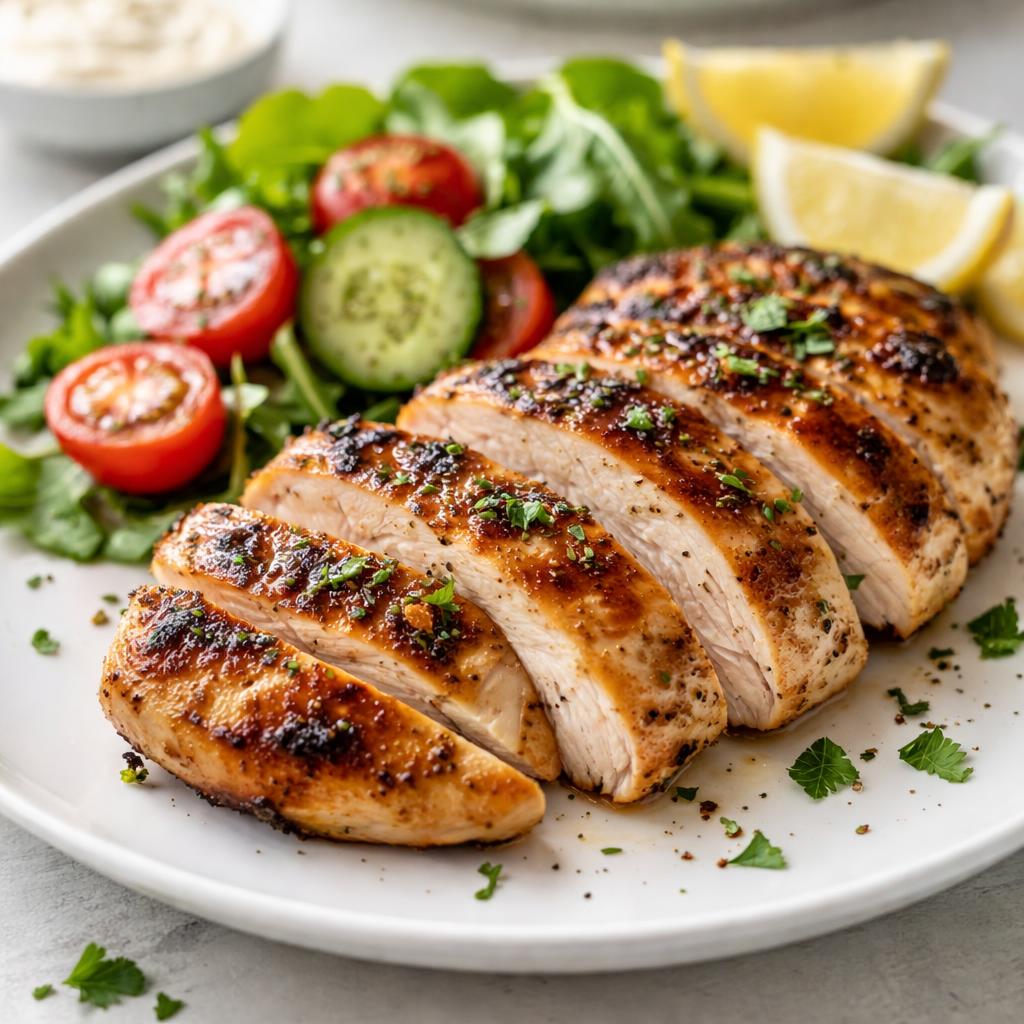
Chicken
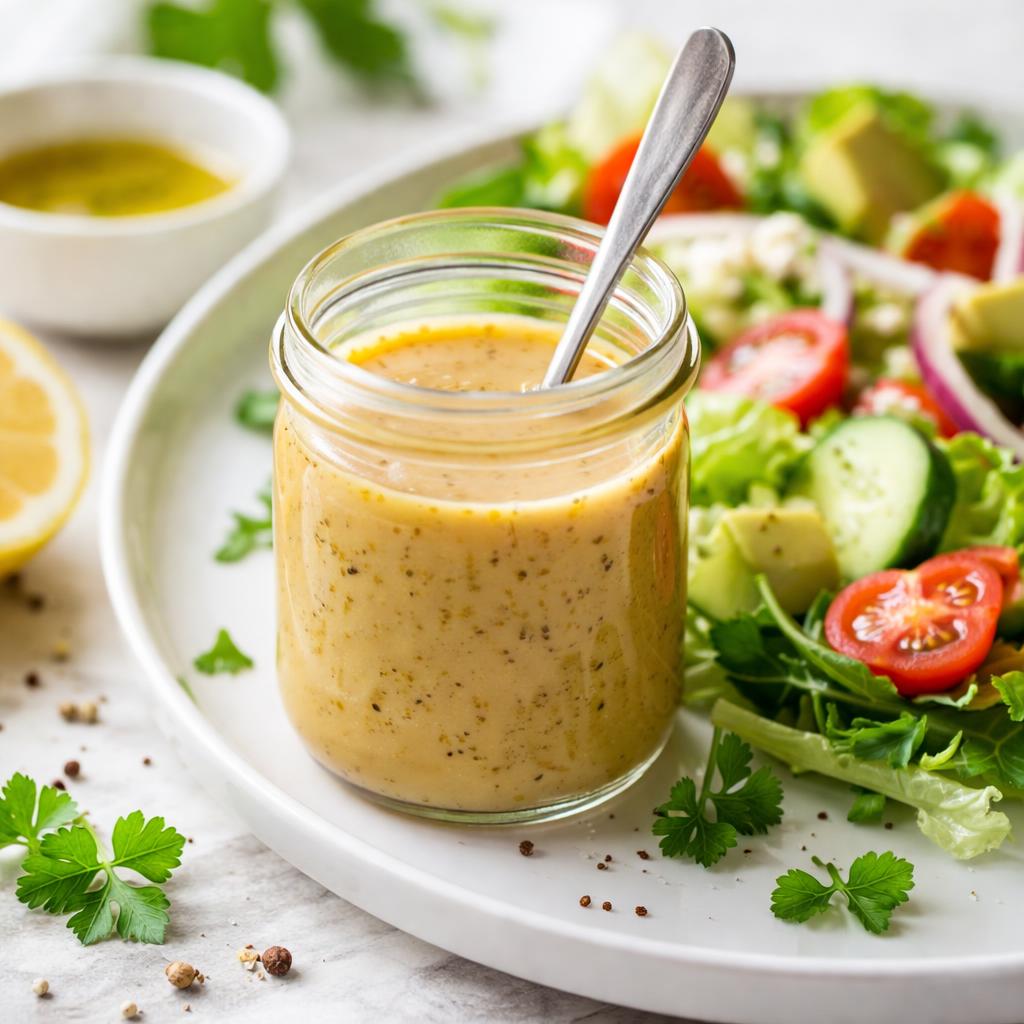
Salad Dressing
🎯 Quick Verdict
Chicken is significantly higher in protein (25g per serving) compared to salad dressing, which has almost no protein but is calorie-dense with higher fat content. Chicken is ideal for muscle growth and weight management, while salad dressing is primarily used to enhance flavor and provide healthy fats depending on type (e.g., olive-oil-based). They serve very different dietary purposes.

Smart Nutrition Tracking with SnapCalorie

📊 Nutritional Comparison
Macronutrients
| Nutrient | Food 1 | Food 2 | Winner |
|---|---|---|---|
| Calories | 165 | 120 (per 2 tbsp) | ✓ |
| Protein | 25g | 0g | ✓ |
| Carbs | 0g | 2g | ✓ |
| Fat | 3g | 11g | ✓ |
| Fiber | 0g | 0g | − |
Vitamins & Minerals
| Nutrient | Food 1 | Food 2 | Winner |
|---|---|---|---|
| Vitamin D | 1mcg | 0mcg | ✓ |
| Calcium | 13mg | 10mg | ✓ |
| Iron | 1.3mg | 0.1mg | ✓ |
🏆 Category Winners
Protein
Chicken provides 25g of protein per serving while salad dressing has none.
Fiber
Neither chicken nor salad dressing contains fiber.
Calories
Chicken has fewer calories per serving compared to typical amounts of salad dressing.
Vitamins
Chicken offers small amounts of Vitamin D, calcium, and iron, whereas salad dressing typically has negligible micronutrients.
🥗 Diet Compatibility
Keto
Food 1: Compatible
Food 2: Compatible
Both are low in carbohydrates.
Vegan
Food 1: Not Compatible
Food 2: Compatible
Chicken is animal-based, while salad dressing can be plant-based depending on the ingredients.
Gluten Free
Food 1: Compatible
Food 2: Compatible
Neither contains gluten (assuming gluten-free salad dressing ingredients).
Paleo
Food 1: Compatible
Food 2: Compatible
Both align with paleo guidelines depending on salad dressing being natural and additive-free.
Low-Carb
Food 1: Compatible
Food 2: Compatible
Both are very low in carbohydrates per serving.
💪 Health Benefits Comparison
Food 1 Benefits
- High protein supports muscle repair and growth
- Low in fat and calories, aiding in weight management
- Provides small amounts of Vitamin D for bone health
Food 2 Benefits
- Adds healthy fats to meals, especially if olive-oil-based
- Enhances flavor, making vegetables more appealing
- May contain antioxidants if made with herbs or spices
✅ The Bottom Line
Choose chicken if you need a high-protein, low-calorie food for weight management or muscle building. Salad dressing serves a complementary role, adding flavor and healthy fats to meals, but is not nutritionally dense on its own.
Choose Food 1 for: Muscle building, weight loss, keto meals
Choose Food 2 for: Flavor enhancement, healthy fat intake, vegan diets


