Chicken VS Roasted Chicken
A detailed nutritional comparison
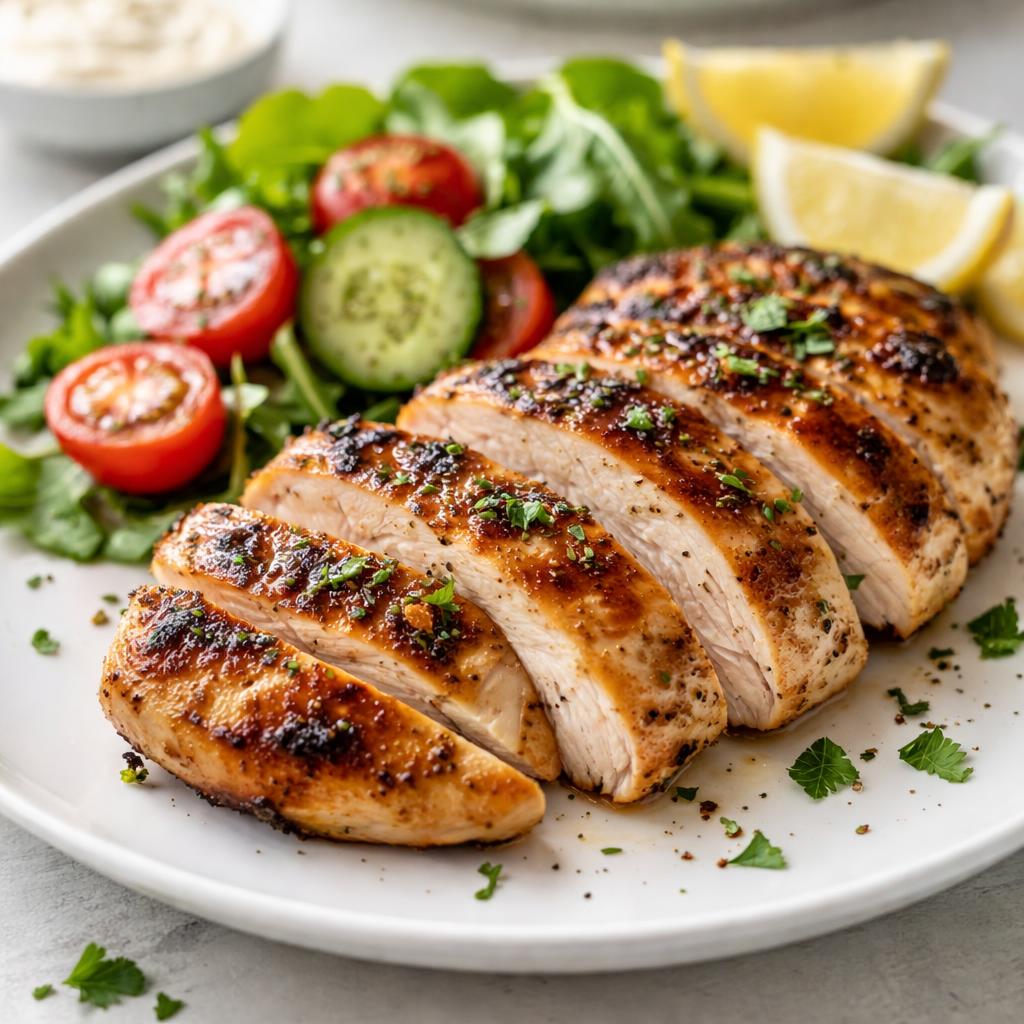
Chicken
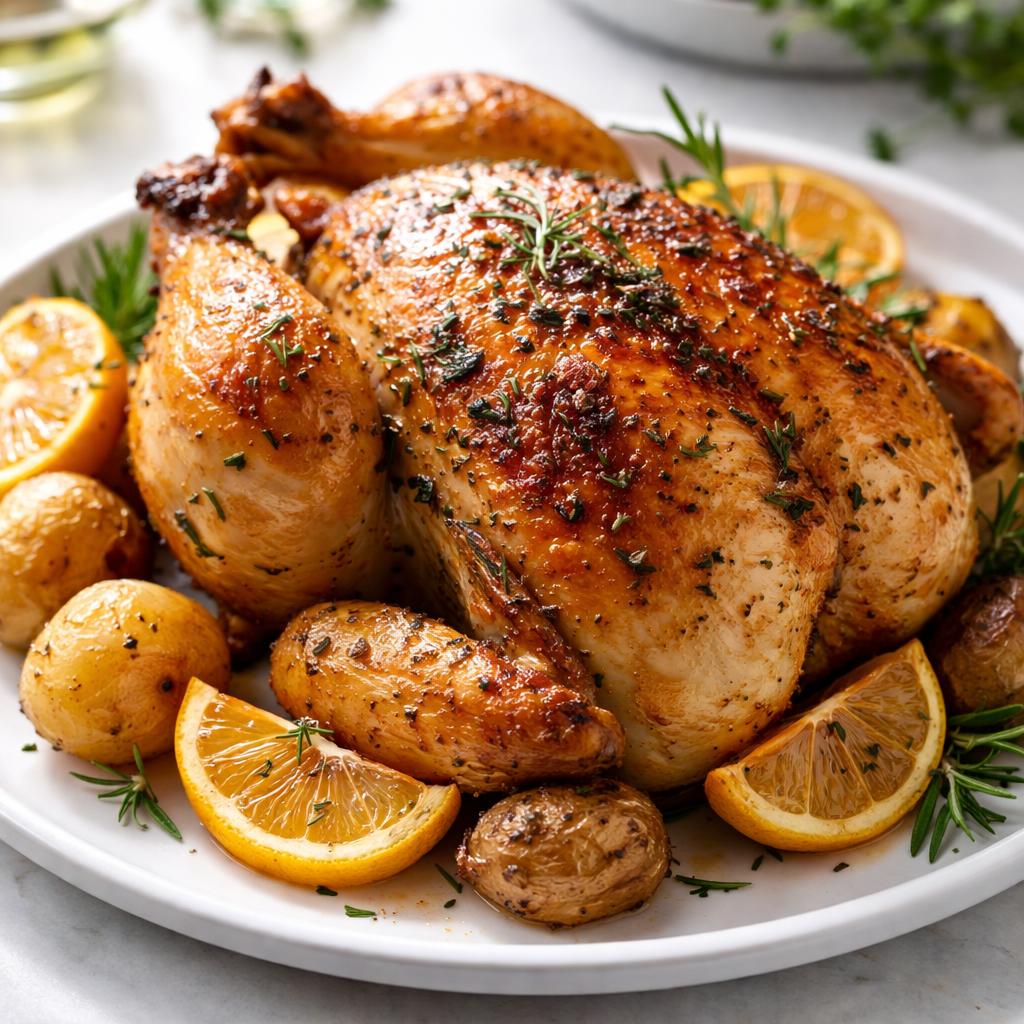
Roasted Chicken
🎯 Quick Verdict
Chicken and roasted chicken are highly comparable nutritionally, with differences depending on preparation methods. Roasted chicken may retain slightly fewer nutrients and include additional fat due to oil or butter used during cooking. Both are excellent sources of protein and highly versatile foods for various diets.

Smart Nutrition Tracking with SnapCalorie

📊 Nutritional Comparison
Macronutrients
| Nutrient | Food 1 | Food 2 | Winner |
|---|---|---|---|
| Calories | 170 per 100g | 180 per 100g | ✓ |
| Protein | 27g per 100g | 27g per 100g | − |
| Carbs | 0g per 100g | 0g per 100g | − |
| Fat | 3.5g per 100g | 5g per 100g | ✓ |
| Fiber | 0g per 100g | 0g per 100g | − |
Vitamins & Minerals
| Nutrient | Food 1 | Food 2 | Winner |
|---|---|---|---|
| Vitamin B6 | 0.5mg per 100g | 0.5mg per 100g | − |
| Vitamin B12 | 0.6mcg per 100g | 0.6mcg per 100g | − |
| Niacin (B3) | 13.5mg per 100g | 13mg per 100g | ✓ |
🏆 Category Winners
Protein
Both options provide the same amount of protein per 100g serving.
Fiber
Neither food contains fiber, as both are protein-based.
Calories
Food1 has slightly fewer calories per serving due to the lack of additional cooking fats.
Vitamins
Minor differences in niacin content favor Food1.
🥗 Diet Compatibility
Keto
Food 1: Compatible
Food 2: Compatible
Both foods are low in carbs and high in protein, suitable for keto diets.
Vegan
Food 1: Not Compatible
Food 2: Not Compatible
Neither food is plant-based.
Gluten Free
Food 1: Compatible
Food 2: Compatible
Neither food contains gluten.
Paleo
Food 1: Compatible
Food 2: Compatible
Both follow paleo principles as whole-food sources of protein.
Low-Carb
Food 1: Compatible
Food 2: Compatible
Both foods are naturally carb-free.
💪 Health Benefits Comparison
Food 1 Benefits
- High protein content for muscle maintenance and repair
- Low-calorie option for weight management
- Rich in essential vitamins like B6 and B12 for energy metabolism
Food 2 Benefits
- High protein content for muscle growth and satiety
- Adds flavor through roasting without significant impact on nutrition
- Provides energy-dense meal options for active lifestyles
✅ The Bottom Line
Both chicken and roasted chicken are nutritionally excellent choices for high-protein diets. Food1 (plain chicken) is slightly lower in calories and fat, making it better for weight loss diets, while roasted chicken is more flavorful and might suit meals requiring richer taste or added fats based on preparation.
Choose Food 1 for: Weight loss, low-fat diets, lean meal prep
Choose Food 2 for: Flavorful meals, energy-packed options, versatile cooking methods


