Chicken VS Prosciutto
A detailed nutritional comparison
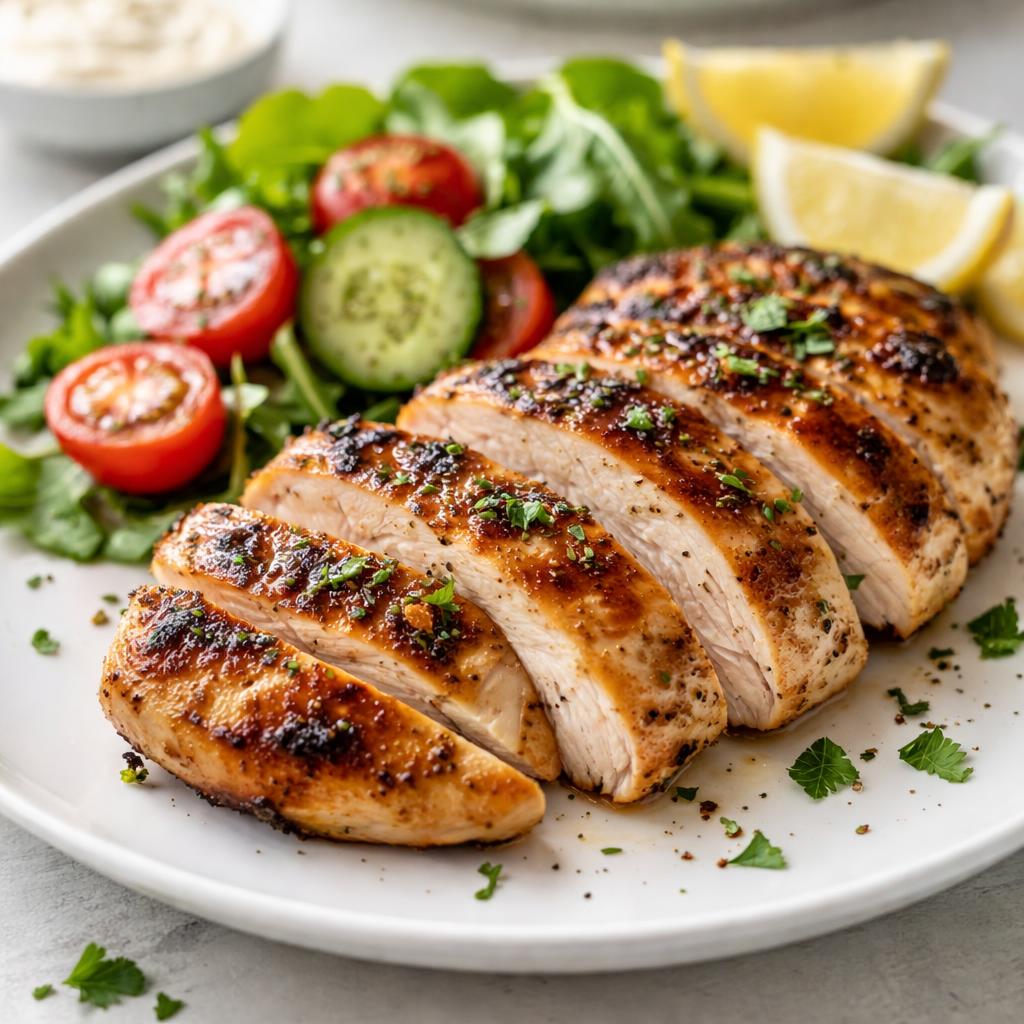
Chicken
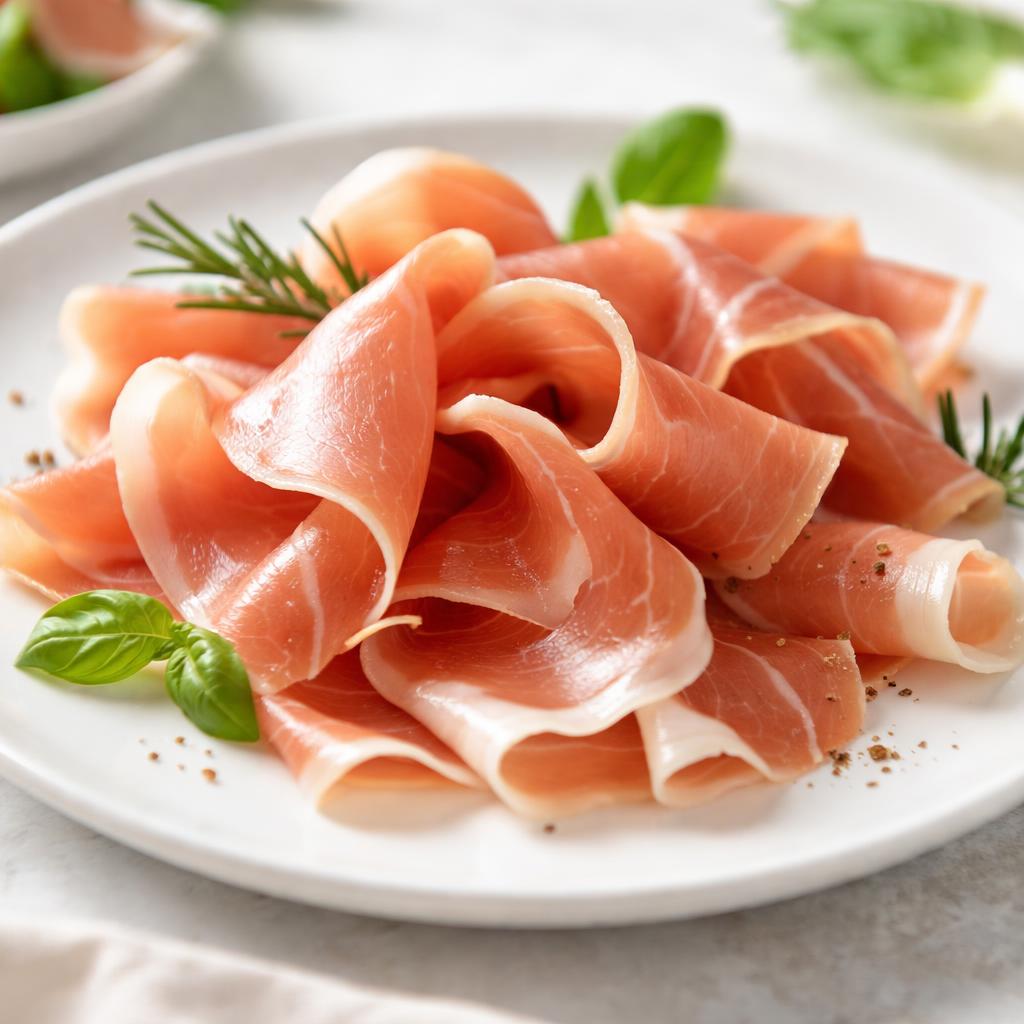
Prosciutto
🎯 Quick Verdict
Chicken offers higher protein, fewer calories, and lower fat compared to prosciutto. Prosciutto, however, is rich in flavor and contains more sodium and fats, making it better as a complementary ingredient rather than a standalone protein source. Chicken is more versatile for meal prep and fits a broader range of diets, while prosciutto is best used sparingly in dishes like salads or sandwiches.

Smart Nutrition Tracking with SnapCalorie

📊 Nutritional Comparison
Macronutrients
| Nutrient | Food 1 | Food 2 | Winner |
|---|---|---|---|
| Calories | 165 | 249 | ✓ |
| Protein | 31g | 14g | ✓ |
| Carbs | 0g | 0g | − |
| Fat | 3.6g | 18g | ✓ |
| Fiber | 0g | 0g | − |
Vitamins & Minerals
| Nutrient | Food 1 | Food 2 | Winner |
|---|---|---|---|
| Vitamin D | 0.1mcg | 0.3mcg | ✓ |
| Calcium | 11mg | 16mg | ✓ |
| Iron | 1mg | 0.8mg | ✓ |
| Sodium | 70mg | 1598mg | ✓ |
🏆 Category Winners
Protein
Chicken provides more than twice the protein per 100 grams compared to prosciutto.
Fiber
Neither food contains dietary fiber.
Calories
Chicken is significantly lower in calories per serving.
Vitamins
Though prosciutto provides slightly more Vitamin D and calcium, chicken has higher iron and lower sodium.
🥗 Diet Compatibility
Keto
Food 1: Compatible
Food 2: Compatible
Both foods are low-carb, making them suitable for keto diets.
Vegan
Food 1: Not Compatible
Food 2: Not Compatible
Neither food is plant-based.
Gluten Free
Food 1: Compatible
Food 2: Compatible
Neither contains gluten.
Paleo
Food 1: Compatible
Food 2: Compatible
Both are allowable in a paleo diet when minimally processed.
Low-Carb
Food 1: Compatible
Food 2: Compatible
Both foods provide negligible carbohydrates.
💪 Health Benefits Comparison
Food 1 Benefits
- High protein content supports muscle maintenance and growth.
- Low fat and calorie profile makes it ideal for weight loss.
- Contains iron, which supports healthy blood and oxygen transport.
Food 2 Benefits
- Rich in healthy fats and antioxidants for heart health.
- Contains small amounts of calcium for bone health.
- Offers a strong flavor profile for enhancing dishes without needing a large quantity.
✅ The Bottom Line
Chicken is a lean, versatile, and nutrient-dense source of protein that suits most dietary needs and is ideal for regular meal prep. Prosciutto, while flavorful, is high in fat and sodium, making it a better choice in moderation as a flavor enhancer or garnish. Choose chicken for nutrient density or prosciutto for indulgent, rich dishes.
Choose Food 1 for: Weight loss, high-protein diets, muscle building, meal prep
Choose Food 2 for: Flavor enhancement, indulgent recipes, heart health in small quantities


