Chicken VS Pine Nuts
A detailed nutritional comparison
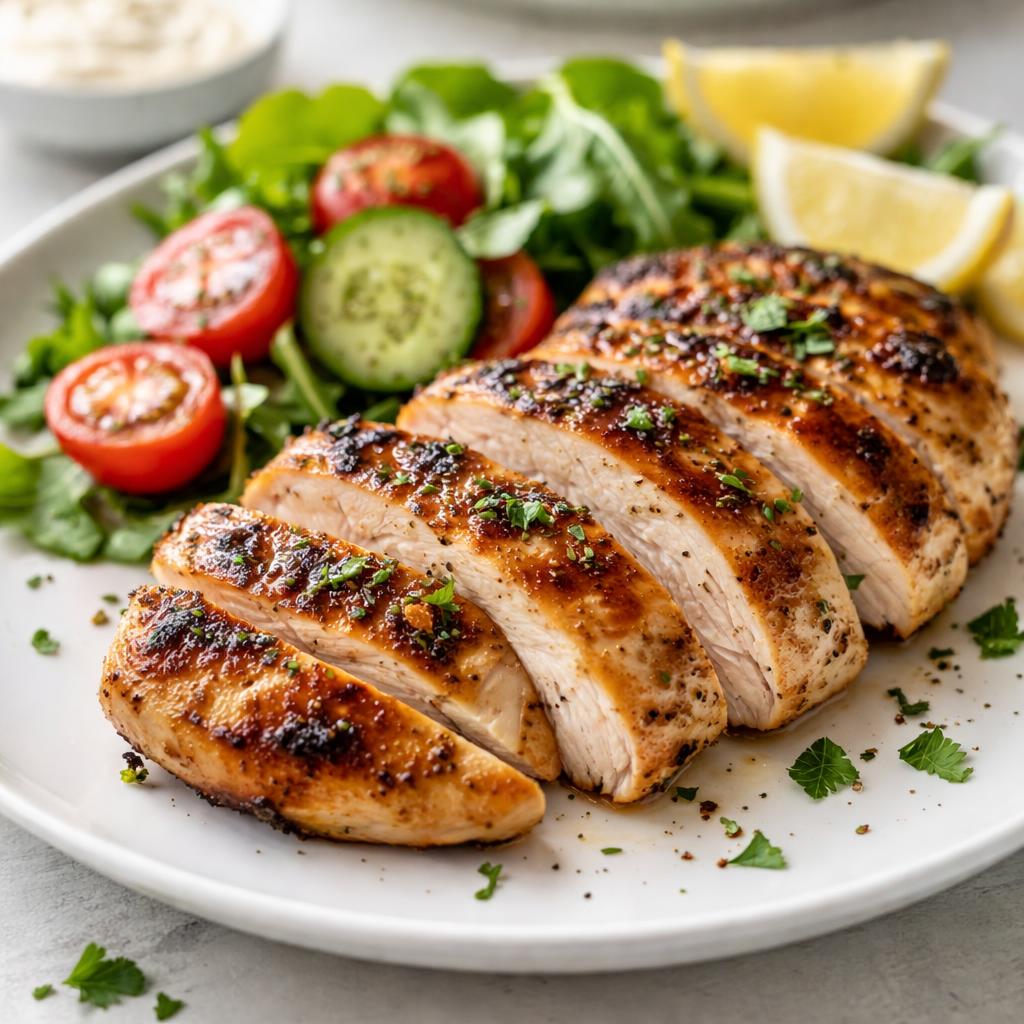
Chicken
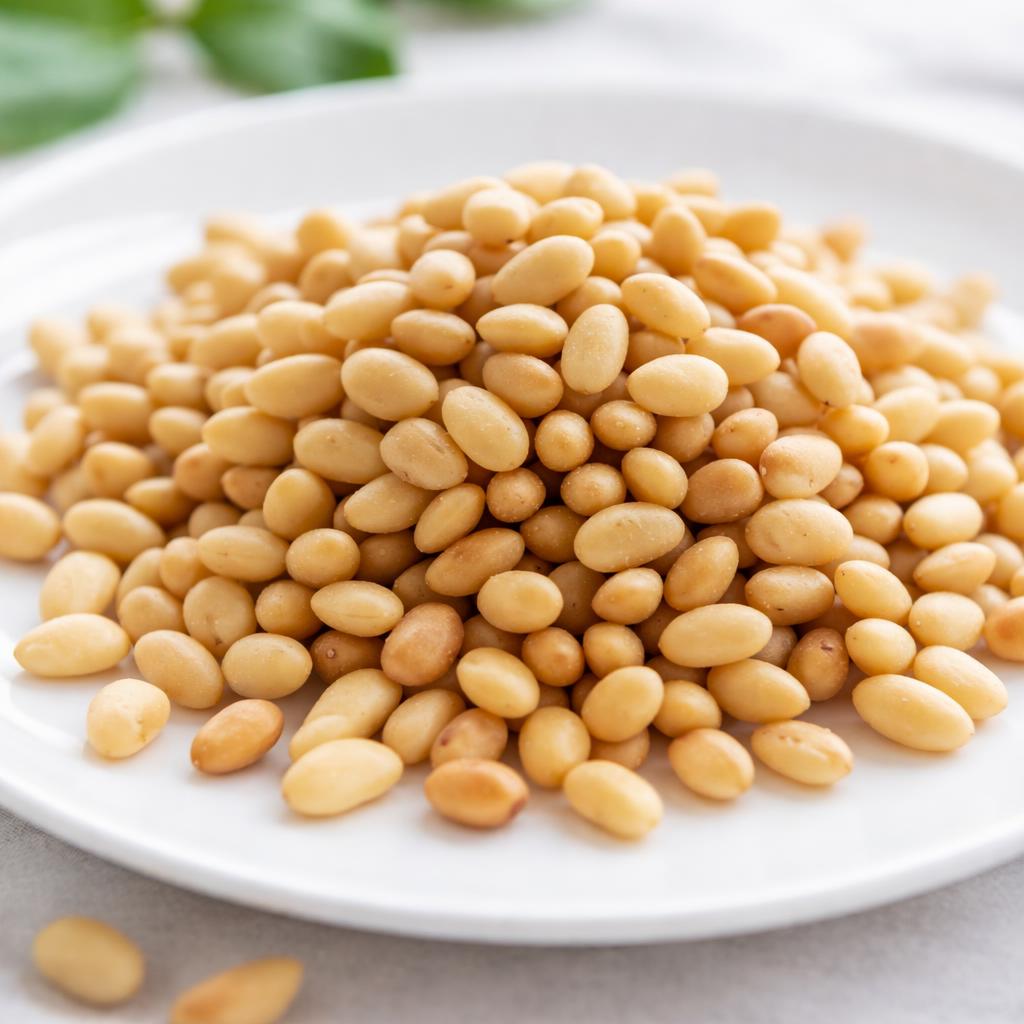
Pine Nuts
🎯 Quick Verdict
Chicken is an excellent source of high-quality protein with fewer calories and almost no carbs, making it ideal for muscle-building and low-carb diets. Pine nuts, on the other hand, offer healthy fats, dietary fiber, and essential nutrients like magnesium, making them perfect for improving heart health and adding nutrient density to a meal or snack. Each food serves distinct dietary needs effectively.

Smart Nutrition Tracking with SnapCalorie

📊 Nutritional Comparison
Macronutrients
| Nutrient | Food 1 | Food 2 | Winner |
|---|---|---|---|
| Calories | 165 kcal (per 100g) | 673 kcal (per 100g) | ✓ |
| Protein | 31g | 13.7g | ✓ |
| Carbs | 0g | 13.1g | ✓ |
| Fat | 3.6g | 68.4g | ✓ |
| Fiber | 0g | 3.7g | ✓ |
Vitamins & Minerals
| Nutrient | Food 1 | Food 2 | Winner |
|---|---|---|---|
| Vitamin D | 1mcg | 0mcg | ✓ |
| Calcium | 13mg | 16mg | ✓ |
| Iron | 1.3mg | 5.5mg | ✓ |
| Magnesium | 26mg | 251mg | ✓ |
🏆 Category Winners
Protein
Chicken provides 31g of protein per 100g, more than double the protein of pine nuts.
Fiber
Pine nuts contain 3.7g of fiber per 100g, while chicken has none.
Calories
Chicken is much lower in calories with 165 kcal per 100g vs. 673 kcal for pine nuts.
Vitamins
Pine nuts are richer in minerals like magnesium and iron, offering additional nutritional value.
🥗 Diet Compatibility
Keto
Food 1: Compatible
Food 2: Compatible
Both are low-carb and fit nicely into a ketogenic diet.
Vegan
Food 1: Not Compatible
Food 2: Compatible
Chicken is an animal product, while pine nuts are plant-based.
Gluten Free
Food 1: Compatible
Food 2: Compatible
Neither contains gluten, making them both suitable for gluten-free diets.
Paleo
Food 1: Compatible
Food 2: Compatible
Both are unprocessed whole foods that fit the paleo framework.
Low Carb
Food 1: Compatible
Food 2: Compatible
Chicken has 0g of carbs and pine nuts are low-carb with 13.1g per 100g.
💪 Health Benefits Comparison
Food 1 Benefits
- Excellent source of high-quality protein to support muscle growth and repair.
- Low-calorie and low-fat option for weight management.
- Contains selenium and vitamin B6 for immune function and energy metabolism.
Food 2 Benefits
- Rich in healthy monounsaturated fats for heart health.
- Good source of magnesium, crucial for muscle and nerve function.
- Provides antioxidants that may help reduce inflammation and support skin health.
✅ The Bottom Line
For those prioritizing protein intake and lower calorie consumption, chicken is the better choice, particularly in fitness and weight-loss contexts. Pine nuts, however, excel at providing healthy fats, fiber, and essential minerals, making them ideal for heart health and nutrient-rich snacking. Both can play complementary roles in a balanced diet.
Choose Food 1 for: Muscle building, weight management, low-carb diets
Choose Food 2 for: Heart health, nutrient-dense snacks, vegan and vegetarian diets


