Chicken VS Orange Juice
A detailed nutritional comparison
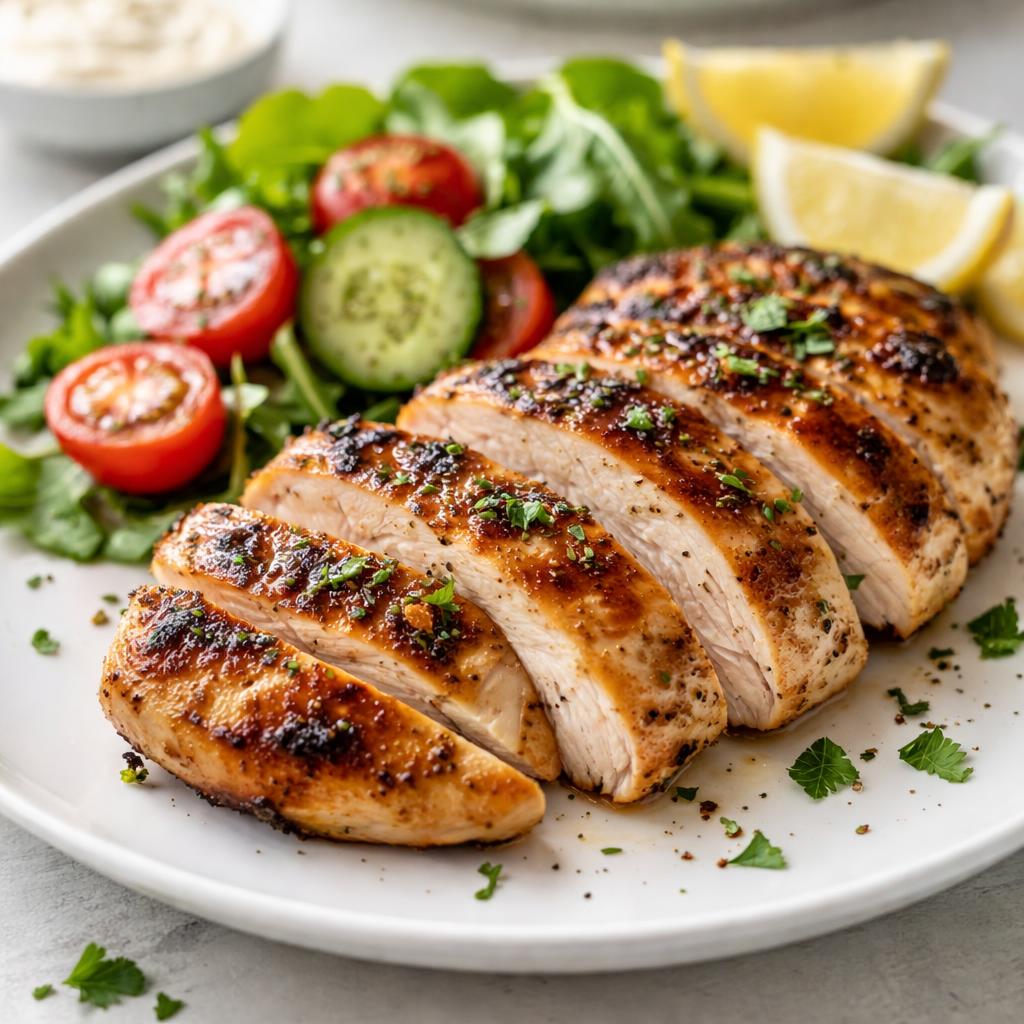
Chicken
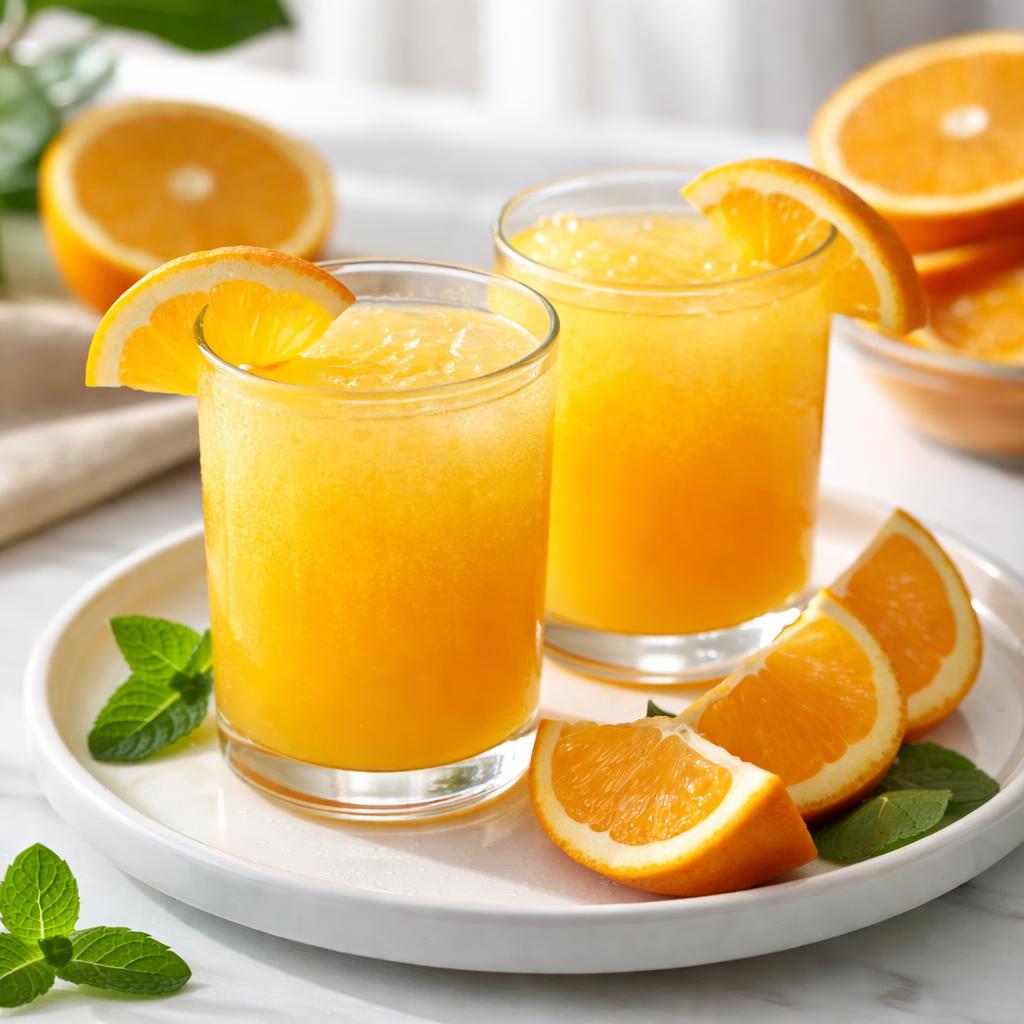
Orange Juice
🎯 Quick Verdict
Chicken is a high-protein, low-carb, and relatively low-calorie option that suits muscle-building and weight management goals. Orange juice is rich in vitamin C, provides a quick energy boost with natural sugars, and offers antioxidants, but lacks significant protein or fiber. Both have unique advantages depending on health priorities.

Smart Nutrition Tracking with SnapCalorie

📊 Nutritional Comparison
Macronutrients
| Nutrient | Food 1 | Food 2 | Winner |
|---|---|---|---|
| Calories | 165 | 120 | ✓ |
| Protein | 31g | 1g | ✓ |
| Carbs | 0g | 28g | ✓ |
| Fat | 3.6g | 0g | ✓ |
| Fiber | 0g | 0.2g | ✓ |
Vitamins & Minerals
| Nutrient | Food 1 | Food 2 | Winner |
|---|---|---|---|
| Vitamin C | 0mg | 124mg | ✓ |
| Vitamin D | 0mcg | 0mcg | − |
| Calcium | 15mg | 27mg | ✓ |
| Iron | 1mg | 0.5mg | ✓ |
🏆 Category Winners
Protein
Chicken offers significantly higher protein (31g compared to 1g).
Fiber
Orange juice contains trace amounts of fiber unlike chicken.
Calories
Orange juice has fewer calories per serving (120 vs 165).
Vitamins
Orange juice excels with its high vitamin C content.
🥗 Diet Compatibility
Keto
Food 1: Compatible
Food 2: Not Compatible
Chicken is zero-carb, while orange juice is high in carbs.
Vegan
Food 1: Not Compatible
Food 2: Compatible
Chicken is animal-based, orange juice is plant-based.
Gluten Free
Food 1: Compatible
Food 2: Compatible
Both are naturally gluten-free.
Paleo
Food 1: Compatible
Food 2: Compatible
Both align with Paleo principles as whole, unprocessed foods.
Low-Carb
Food 1: Compatible
Food 2: Not Compatible
Chicken contains zero carbs, while orange juice is high-carb.
💪 Health Benefits Comparison
Food 1 Benefits
- High-quality protein for muscle growth and repair
- Low in carbohydrates, suitable for keto and weight-loss diets
- Contains iron, important for oxygen transport in the blood
Food 2 Benefits
- Rich source of vitamin C for immune support and skin health
- High in natural sugars for a quick energy boost
- Contains antioxidants to combat oxidative stress
✅ The Bottom Line
Choose chicken for protein-focused diets, muscle building, and low-carbohydrate meal plans. Select orange juice for its antioxidant properties, vitamin C content, and energy boost. Both complement different dietary needs.
Choose Food 1 for: Weight loss, muscle building, low-carb diets
Choose Food 2 for: Energy boost, immune support, antioxidant benefits


