Chicken VS Mixed Greens
A detailed nutritional comparison
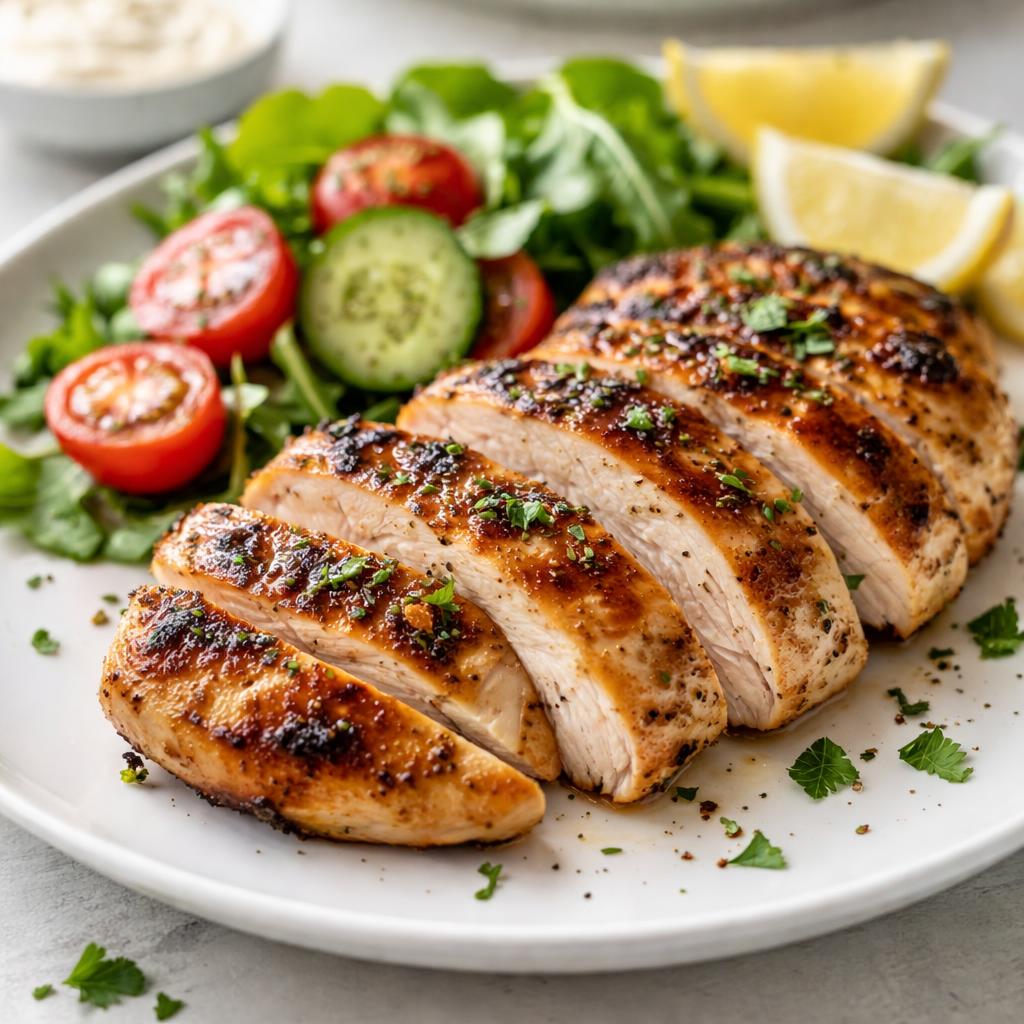
Chicken
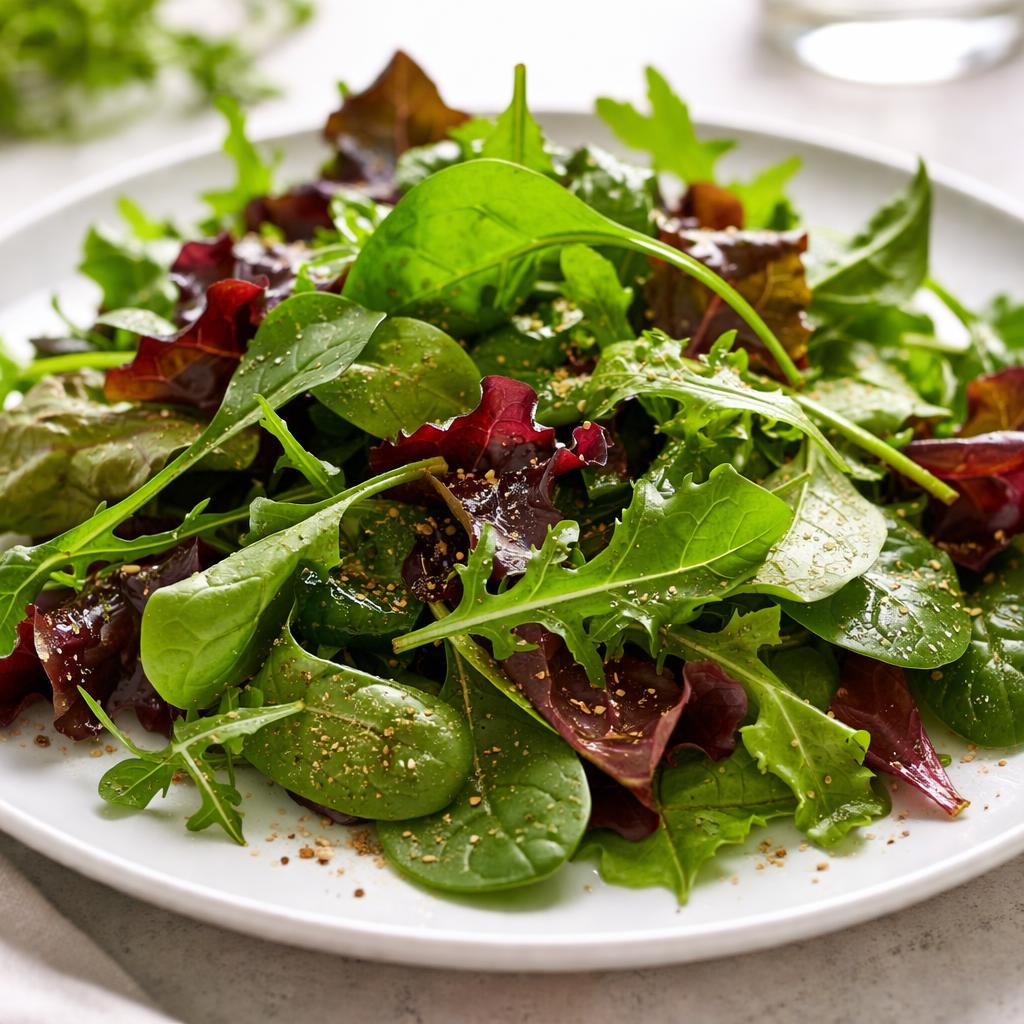
Mixed Greens
🎯 Quick Verdict
Chicken is an excellent source of high-quality protein and is well-suited for muscle maintenance and repair, while mixed greens are rich in fiber, low in calories, and provide a range of vitamins and minerals. Choosing between the two depends on your dietary priorities, such as protein intake or micronutrient density.

Smart Nutrition Tracking with SnapCalorie

📊 Nutritional Comparison
Macronutrients
| Nutrient | Food 1 | Food 2 | Winner |
|---|---|---|---|
| Calories | 165 | 25 | ✓ |
| Protein | 31g | 2g | ✓ |
| Carbs | 0g | 4g | ✓ |
| Fat | 3.6g | 0.3g | ✓ |
| Fiber | 0g | 2g | ✓ |
Vitamins & Minerals
| Nutrient | Food 1 | Food 2 | Winner |
|---|---|---|---|
| Vitamin A | 13mcg | 7500mcg | ✓ |
| Vitamin C | 0mg | 70mg | ✓ |
| Calcium | 13mg | 99mg | ✓ |
| Iron | 1mg | 2mg | ✓ |
🏆 Category Winners
Protein
Chicken provides 31g of protein per serving compared to 2g in mixed greens.
Fiber
Mixed greens are rich in fiber, providing 2g per serving.
Calories
Mixed greens are much lower in calories, with only 25 calories per serving versus 165 in chicken.
Vitamins
Mixed greens provide significantly higher levels of key vitamins like Vitamin A, C, Calcium, and Iron.
🥗 Diet Compatibility
Keto
Food 1: Compatible
Food 2: Compatible
Both chicken and mixed greens are low in carbs, making them keto-friendly.
Vegan
Food 1: Not Compatible
Food 2: Compatible
Mixed greens are plant-based, while chicken is not vegan.
Gluten Free
Food 1: Compatible
Food 2: Compatible
Both foods are naturally gluten-free.
Paleo
Food 1: Compatible
Food 2: Compatible
Both are paleo-friendly, consisting of whole, unprocessed ingredients.
Low Carbs
Food 1: Compatible
Food 2: Compatible
Chicken has zero carbs, while mixed greens have only 4g per serving.
💪 Health Benefits Comparison
Food 1 Benefits
- Rich in high-quality protein for muscle maintenance and repair
- Low in fat, supporting weight management
- Contains essential nutrients like niacin and selenium
Food 2 Benefits
- High in fiber to support digestive health
- Packed with vitamins like A and C for immune and vision support
- Low-calorie, nutrient-dense option for weight control
✅ The Bottom Line
Choose chicken for protein-rich meals and post-workout recovery, while mixed greens are best for low-calorie nutrient density and boosting fiber intake. Combining both can create a balanced and nutritious meal.
Choose Food 1 for: Muscle building, keto diets, post-workout meals
Choose Food 2 for: Weight loss, vegan diets, overall micronutrient intake


