Chicken VS Mandarin Orange
A detailed nutritional comparison
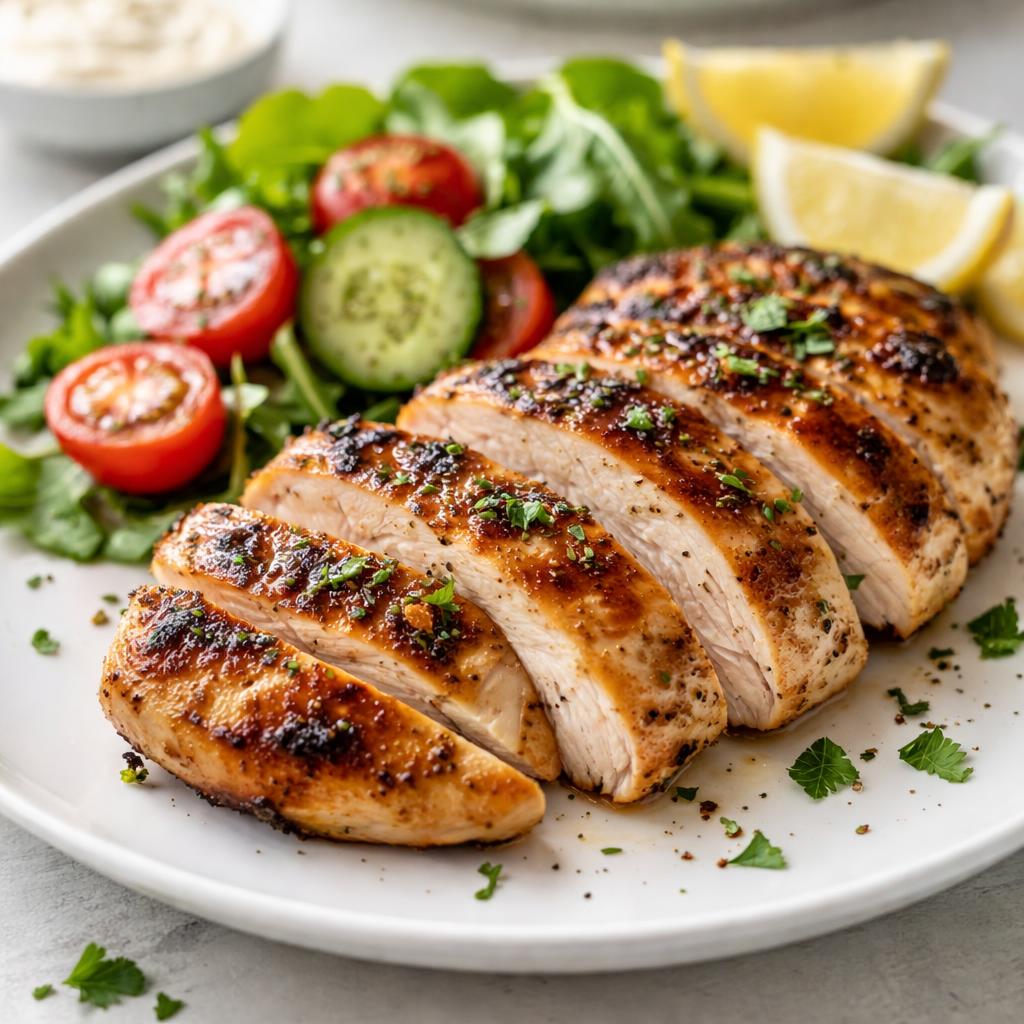
Chicken
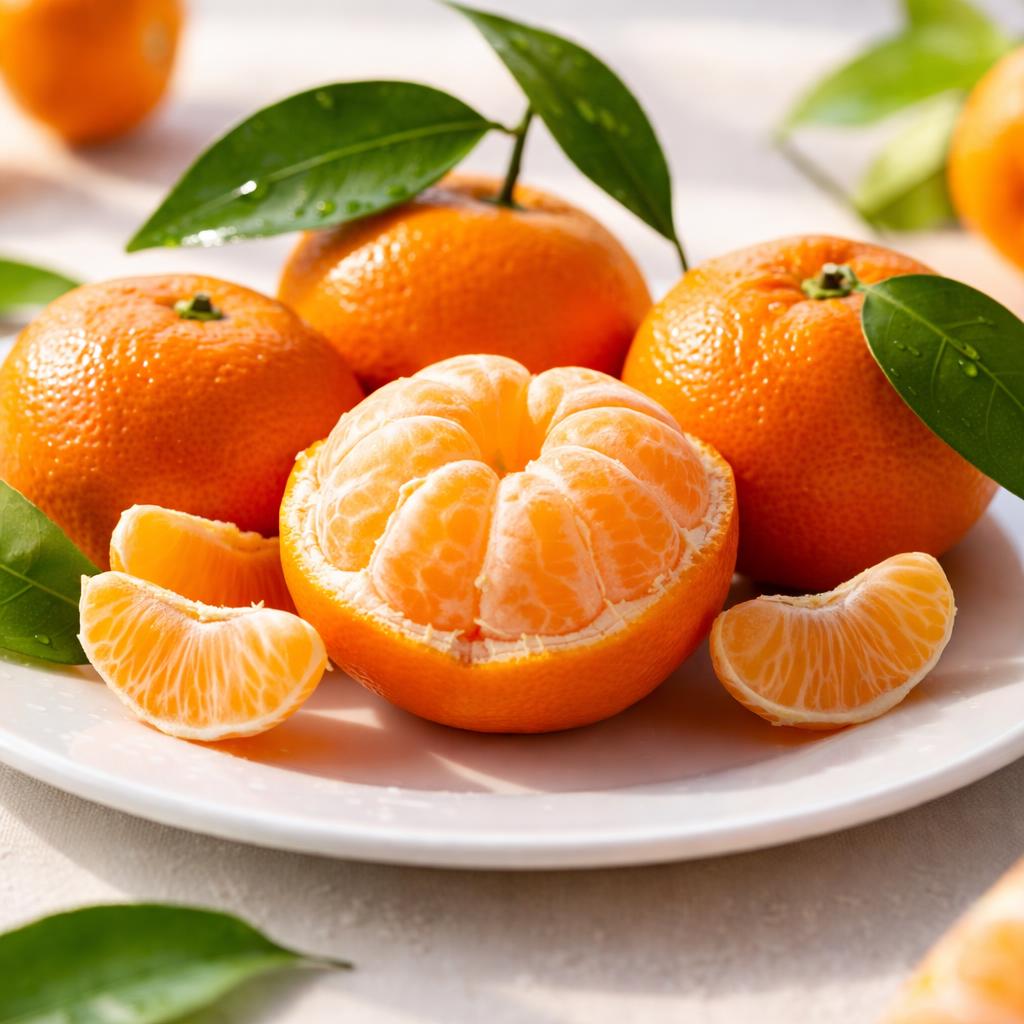
Mandarin Orange
🎯 Quick Verdict
Chicken and mandarin oranges offer distinct nutritional advantages suited to different dietary purposes. Chicken excels in protein, making it ideal for muscle maintenance, while mandarins offer ample fiber, vitamin C, and are great for hydration and energy. Choose chicken for high-protein meals and mandarins for snacks or vitamin-rich additions to your diet.

Smart Nutrition Tracking with SnapCalorie

📊 Nutritional Comparison
Macronutrients
| Nutrient | Food 1 | Food 2 | Winner |
|---|---|---|---|
| Calories | 165 | 47 | ✓ |
| Protein | 31g | 0.8g | ✓ |
| Carbs | 0g | 12g | ✓ |
| Fat | 3.6g | 0.2g | ✓ |
| Fiber | 0g | 1.8g | ✓ |
Vitamins & Minerals
| Nutrient | Food 1 | Food 2 | Winner |
|---|---|---|---|
| Vitamin C | 2mg | 27mg | ✓ |
| Vitamin A | 20IU | 599IU | ✓ |
| Calcium | 13mg | 33mg | ✓ |
| Iron | 1.3mg | 0.1mg | ✓ |
🏆 Category Winners
Protein
Food1 (chicken) contains 31g protein per serving, significantly higher than food2.
Fiber
Food2 (mandarin orange) offers 1.8g of fiber, while food1 provides none.
Calories
Food2 has significantly fewer calories (47) per serving than food1 (165).
Vitamins
Mandarin orange dominates in Vitamin C, Vitamin A, and Calcium content.
🥗 Diet Compatibility
Keto
Food 1: Compatible
Food 2: Not Compatible
Food1 is high in protein and contains no carbs, while food2 is carb-heavy.
Vegan
Food 1: Not Compatible
Food 2: Compatible
Food1 is animal-based, but food2 is plant-based.
Gluten Free
Food 1: Compatible
Food 2: Compatible
Both foods are naturally gluten-free.
Paleo
Food 1: Compatible
Food 2: Compatible
Both foods are minimally processed and suitable for the paleo diet.
Low Carb
Food 1: Compatible
Food 2: Not Compatible
Food1 has 0g carbs, while food2 contains 12g carbs per serving.
💪 Health Benefits Comparison
Food 1 Benefits
- Excellent source of protein for muscle maintenance and repair.
- Low in carbs, supports weight loss diets.
- Contains iron for better oxygen transport in the body.
Food 2 Benefits
- Rich in Vitamin C, supports immune system and skin health.
- Good source of dietary fiber for better digestion.
- Low-calorie and hydrating, ideal for snacking or pre/post-exercise.
✅ The Bottom Line
Chicken is the better option for high-protein, low-carb meals or weight loss, post-workout recovery, and maintaining muscle mass. Mandarin oranges are best for snacks, hydration, and vitamin boosts, especially for Vitamin C and fiber intake. Both foods complement a balanced diet and can be paired effectively for diverse health benefits.
Choose Food 1 for: Weight loss, muscle repair, post-workout meals
Choose Food 2 for: Snacks, hydration, vitamin-rich additions to meals


