Chicken VS Kale Salad
A detailed nutritional comparison
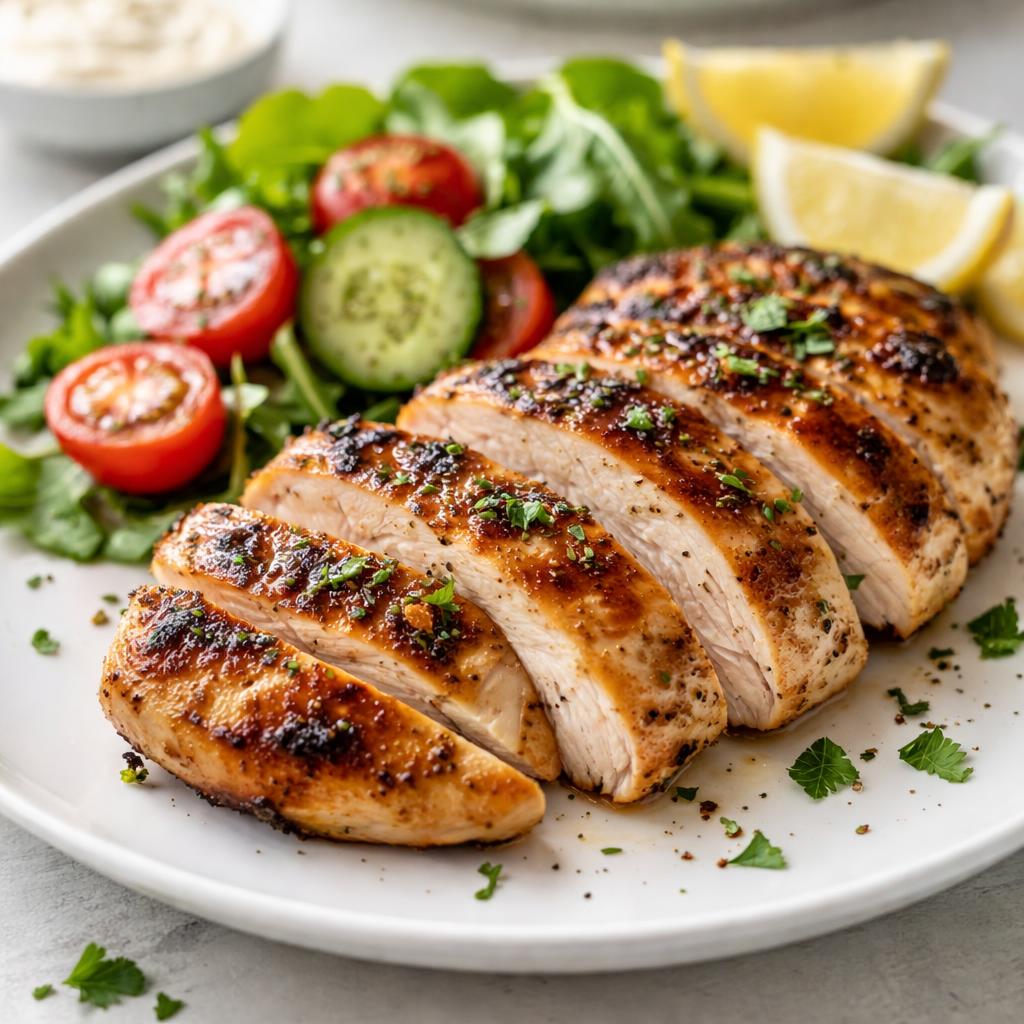
Chicken
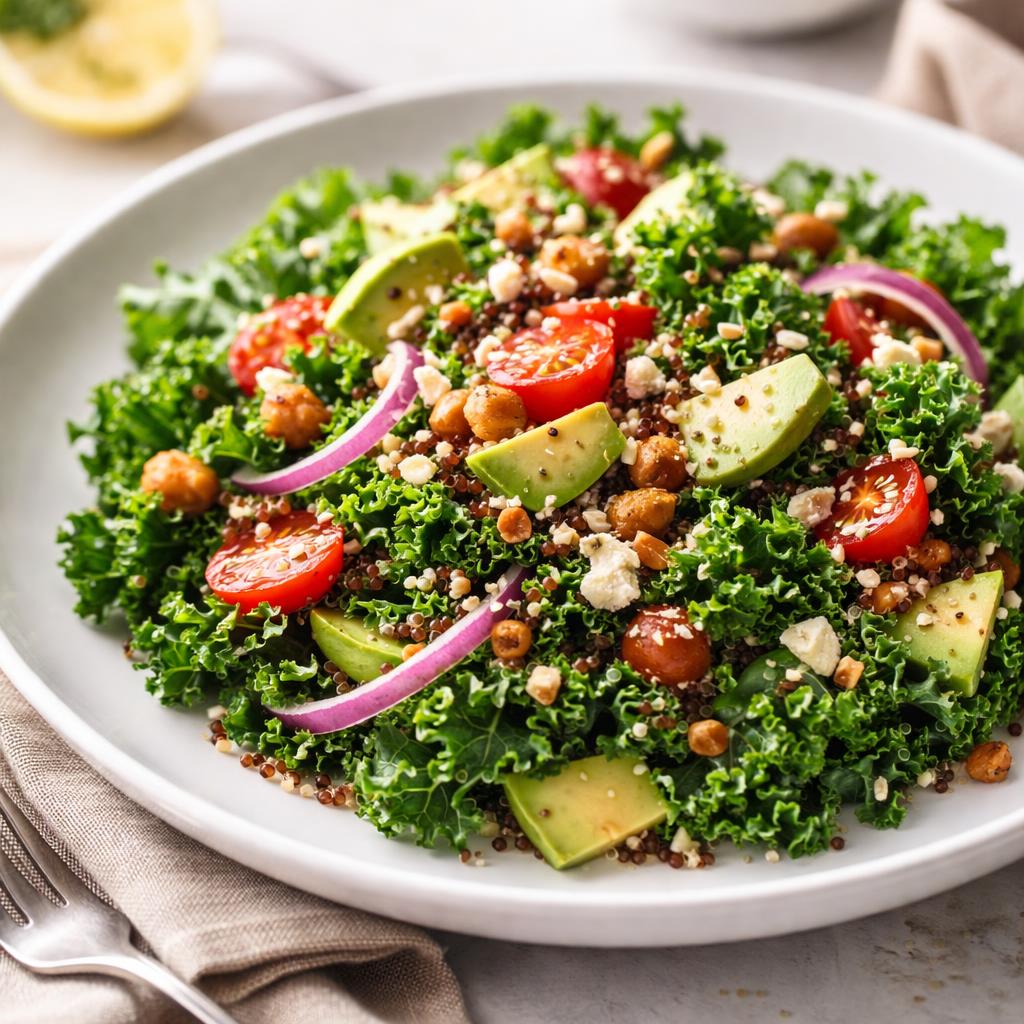
Kale Salad
🎯 Quick Verdict
Chicken is a protein-rich food with zero fiber, making it ideal for muscle maintenance and low-carb diets. Kale salad provides essential vitamins, fiber, and fewer calories per serving, making it perfect for balanced diets focused on digestion and heart health. Choosing between them depends on goals: protein boost vs nutrient-density and fiber intake.

Smart Nutrition Tracking with SnapCalorie

📊 Nutritional Comparison
Macronutrients
| Nutrient | Food 1 | Food 2 | Winner |
|---|---|---|---|
| Calories | 165 | 117 | ✓ |
| Protein | 31g | 5g | ✓ |
| Carbs | 0g | 10g | ✓ |
| Fat | 3.6g | 4.5g | ✓ |
| Fiber | 0g | 3.7g | ✓ |
Vitamins & Minerals
| Nutrient | Food 1 | Food 2 | Winner |
|---|---|---|---|
| Vitamin A | 17mcg | 4812mcg | ✓ |
| Vitamin C | 0mg | 80mg | ✓ |
| Calcium | 15mg | 254mg | ✓ |
| Iron | 1mg | 2mg | ✓ |
🏆 Category Winners
Protein
Chicken provides 620% more protein than kale salad per serving.
Fiber
Kale salad contains 3.7g of fiber compared to none in chicken.
Calories
Kale salad has about 30% fewer calories than chicken per serving.
Vitamins
Kale salad is rich in vitamin A, C, calcium, and iron, surpassing chicken in micronutrient density.
🥗 Diet Compatibility
Keto
Food 1: Compatible
Food 2: Compatible
Both are low-carb and fit within keto diet guidelines.
Vegan
Food 1: Not Compatible
Food 2: Compatible
Chicken is an animal product, while kale salad is plant-based.
Gluten Free
Food 1: Compatible
Food 2: Compatible
Neither contains gluten.
Paleo
Food 1: Compatible
Food 2: Compatible
Both are natural whole foods accepted in a paleo diet.
Low Carb
Food 1: Compatible
Food 2: Compatible
Both are low in carbohydrates, although chicken is carb-free.
💪 Health Benefits Comparison
Food 1 Benefits
- Excellent source of lean protein for muscle repair and maintenance
- Low in calories, ideal for weight management
- Zero carbohydrates, making it suitable for keto and low-carb diets
Food 2 Benefits
- High in fiber for improved digestion and gut health
- Rich in vitamin A and C for immune support and eye health
- Provides calcium for bone strength and iron for better oxygen transport
✅ The Bottom Line
Choose chicken for protein-rich diets, post-workout nutrition, or keto meal planning. Opt for kale salad when prioritizing fiber, micronutrient density, and antioxidants in a lower-calorie meal. Both foods complement each other in a balanced and varied diet.
Choose Food 1 for: High-protein diets, muscle recovery, low-carb and keto nutrition
Choose Food 2 for: Fiber intake, nutrient-density, digestion, and heart health


