Chicken VS Fried Noodles
A detailed nutritional comparison
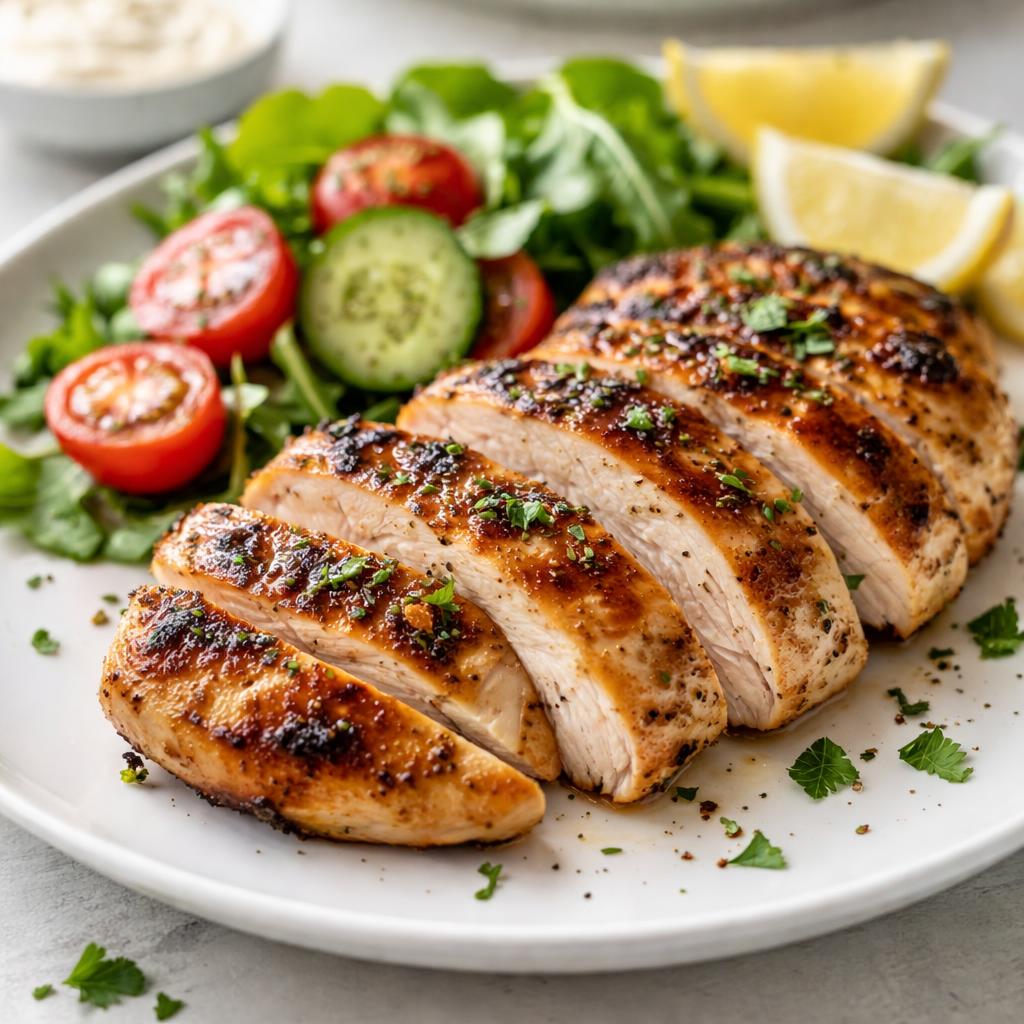
Chicken
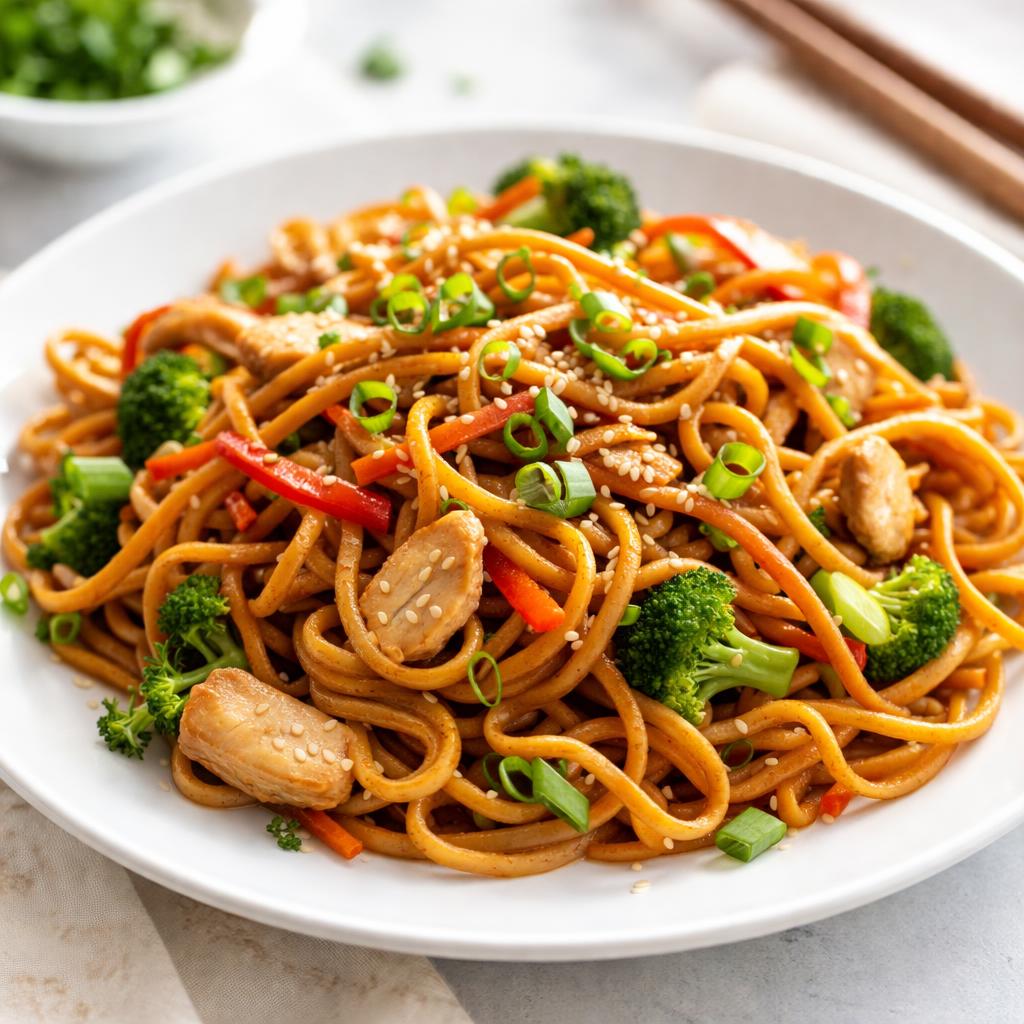
Fried Noodles
🎯 Quick Verdict
Chicken excels in protein content and is significantly lower in calories and carbs compared to fried noodles, making it ideal for muscle building and weight management. Fried noodles are higher in fiber but are calorie-dense and carb-heavy, better suited for energy-focused diets or occasional treats.

Smart Nutrition Tracking with SnapCalorie

📊 Nutritional Comparison
Macronutrients
| Nutrient | Food 1 | Food 2 | Winner |
|---|---|---|---|
| Calories | 165 | 300 | ✓ |
| Protein | 31g | 8g | ✓ |
| Carbs | 0g | 40g | ✓ |
| Fat | 3.5g | 10g | ✓ |
| Fiber | 0g | 2g | ✓ |
Vitamins & Minerals
| Nutrient | Food 1 | Food 2 | Winner |
|---|---|---|---|
| Vitamin B6 | 0.6mg | 0.1mg | ✓ |
| Niacin (B3) | 14mg | 0.5mg | ✓ |
| Iron | 1mg | 2mg | ✓ |
🏆 Category Winners
Protein
Chicken offers nearly 4x more protein per serving.
Fiber
Fried noodles provide 2g of fiber, while chicken contains none.
Calories
Chicken has almost half the calories of fried noodles per serving.
Vitamins
Chicken is significantly richer in B vitamins such as B6 and niacin.
🥗 Diet Compatibility
Keto
Food 1: Compatible
Food 2: Not Compatible
Food1 is carb-free, while food2 is high-carb.
Vegan
Food 1: Not Compatible
Food 2: Compatible
Chicken is an animal product, but fried noodles are plant-based (assuming no animal-based sauces).
Gluten Free
Food 1: Compatible
Food 2: Not Compatible
Chicken is naturally gluten-free, but fried noodles typically contain wheat and are not gluten-free.
Paleo
Food 1: Compatible
Food 2: Not Compatible
Chicken fits the whole-food approach of the paleo diet, while fried noodles are processed.
Low-Carb
Food 1: Compatible
Food 2: Not Compatible
Chicken is carb-free, while fried noodles are high-carb (40g per serving).
💪 Health Benefits Comparison
Food 1 Benefits
- High in lean protein, supporting muscle growth and repair
- Low in calories, favorable for weight management
- Rich in B vitamins (particularly B6 and niacin) for energy metabolism
Food 2 Benefits
- Provides energy from carbs, ideal for high-activity levels
- Contains some fiber to aid digestion
- Iron content supports red blood cell formation
✅ The Bottom Line
Chicken is an excellent choice for those prioritizing protein, calorie control, and compatibility with low-carb or paleo diets. Fried noodles are suited for quick energy needs or carb refueling but less ideal for weight loss or nutritional density.
Choose Food 1 for: Weight loss, muscle building, low-carb or paleo diets
Choose Food 2 for: Energy-boosting meals, occasional indulgence, fiber source


