Chicken VS Fat
A detailed nutritional comparison
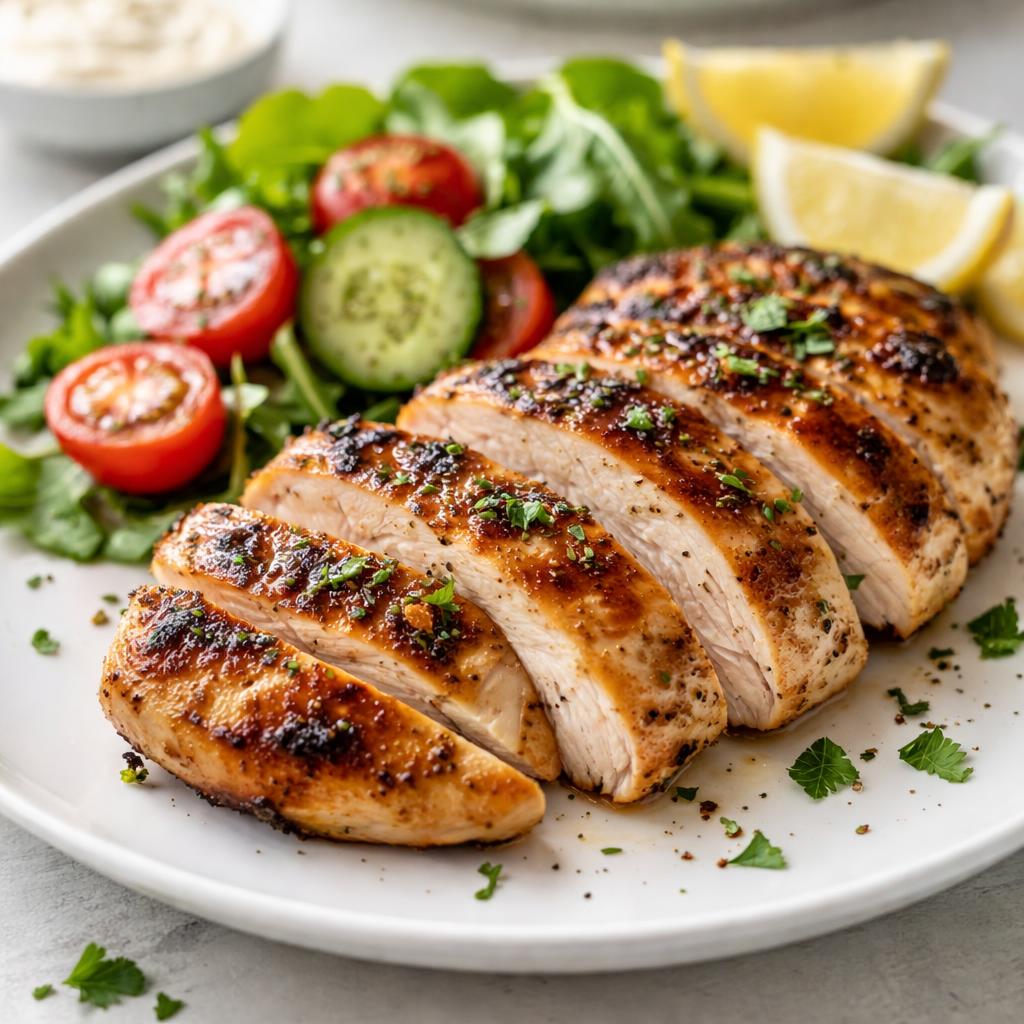
Chicken

Fat
🎯 Quick Verdict
Chicken (food1) is a protein-rich, low-calorie food that supports muscle maintenance and weight management, making it highly versatile for many diets. Fat (food2) is calorie-dense and provides healthy fats for energy and essential fatty acids, but lacks protein and fiber. Food1 is ideal for building lean muscle, while food2 is better suited for energy or keto diets when balanced correctly.

Smart Nutrition Tracking with SnapCalorie

📊 Nutritional Comparison
Macronutrients
| Nutrient | Food 1 | Food 2 | Winner |
|---|---|---|---|
| Calories | 165 per 100g | 884 per 100g | ✓ |
| Protein | 31g per 100g | 0g per 100g | ✓ |
| Carbs | 0g per 100g | 0g per 100g | − |
| Fat | 3.6g per 100g | 100g per 100g | ✓ |
| Fiber | 0g per 100g | 0g per 100g | − |
Vitamins & Minerals
| Nutrient | Food 1 | Food 2 | Winner |
|---|---|---|---|
| Vitamin D | 0.3mcg per 100g | 1.0mcg per 100g | ✓ |
| Calcium | 15mg per 100g | 0mg per 100g | ✓ |
| Iron | 1mg per 100g | 0mg per 100g | ✓ |
🏆 Category Winners
Protein
Chicken is an excellent source of protein with 31g per 100g, while fat provides none.
Fiber
Neither food contains dietary fiber.
Calories
Chicken has significantly fewer calories (165 per 100g vs 884 per 100g for fat).
Vitamins
Chicken provides a better variety of vitamins and minerals overall, including calcium and iron.
🥗 Diet Compatibility
Keto
Food 1: Compatible
Food 2: Compatible
Both are low in carbs and suitable for a keto diet.
Vegan
Food 1: Not Compatible
Food 2: Compatible
Chicken is animal-based, while fat (e.g., plant oils) can be vegan.
Gluten Free
Food 1: Compatible
Food 2: Compatible
Neither food contains gluten.
Paleo
Food 1: Compatible
Food 2: Compatible
Both fit paleo guidelines when consumed appropriately.
Low Carb
Food 1: Compatible
Food 2: Compatible
Both are carb-free and suitable for low-carb diets.
💪 Health Benefits Comparison
Food 1 Benefits
- High in lean protein for muscle development and repair
- Low-calorie option ideal for weight management
- Provides essential vitamins and minerals including iron for energy production
- Versatile and easy to prepare for various meals
Food 2 Benefits
- Rich in healthy fats for sustained energy and brain health
- Ideal source of essential fatty acids necessary for cell function
- Helps absorb fat-soluble vitamins (A, D, E, K)
- Supports satiety and calorie-dense diets like keto
✅ The Bottom Line
Chicken is an excellent choice for high-protein needs, weight management, and versatile meal preparation. Fat is better suited for energy-dense diets like keto or paleo but should be consumed in moderation due to its high caloric density. The best choice depends on your dietary goals.
Choose Food 1 for: Muscle growth, weight loss, balanced diets
Choose Food 2 for: Keto diets, brain health, calorie-dense energy needs


