Chicken VS Egg Salad
A detailed nutritional comparison
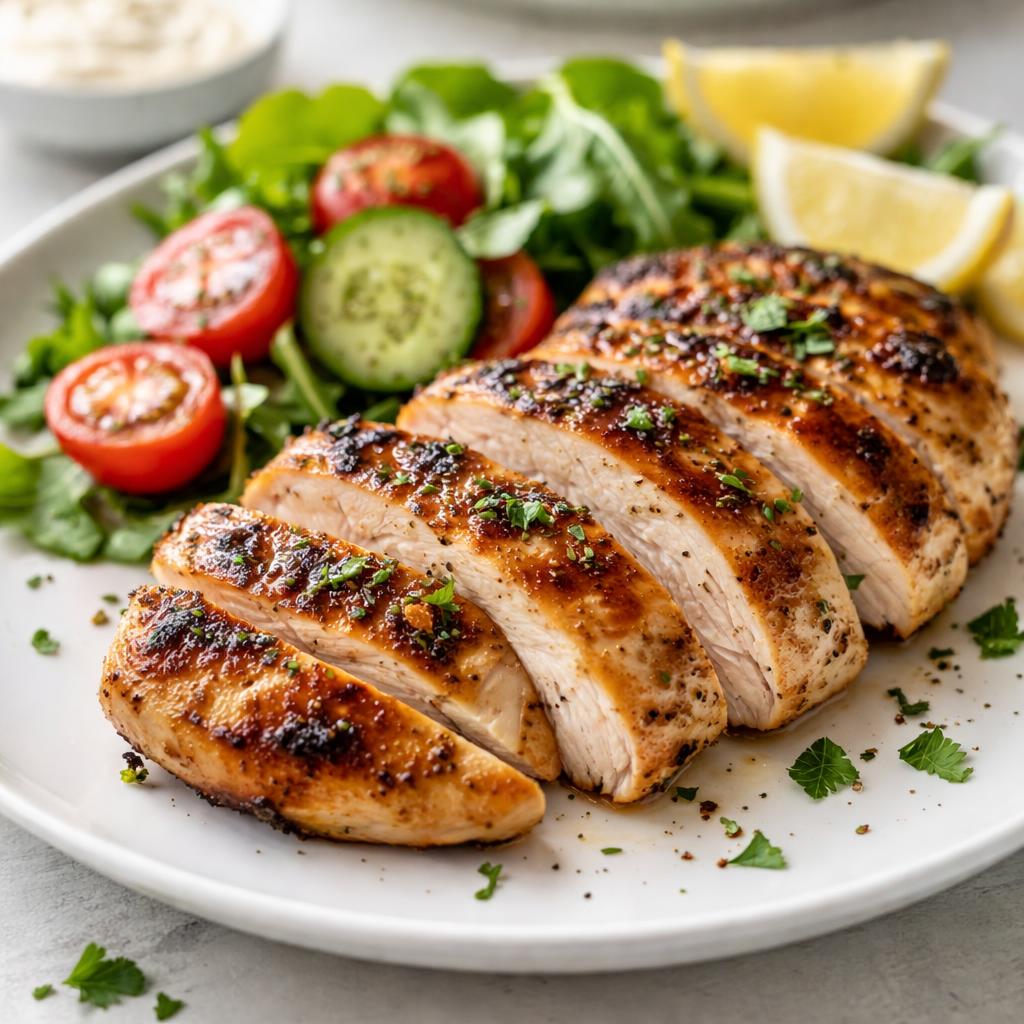
Chicken
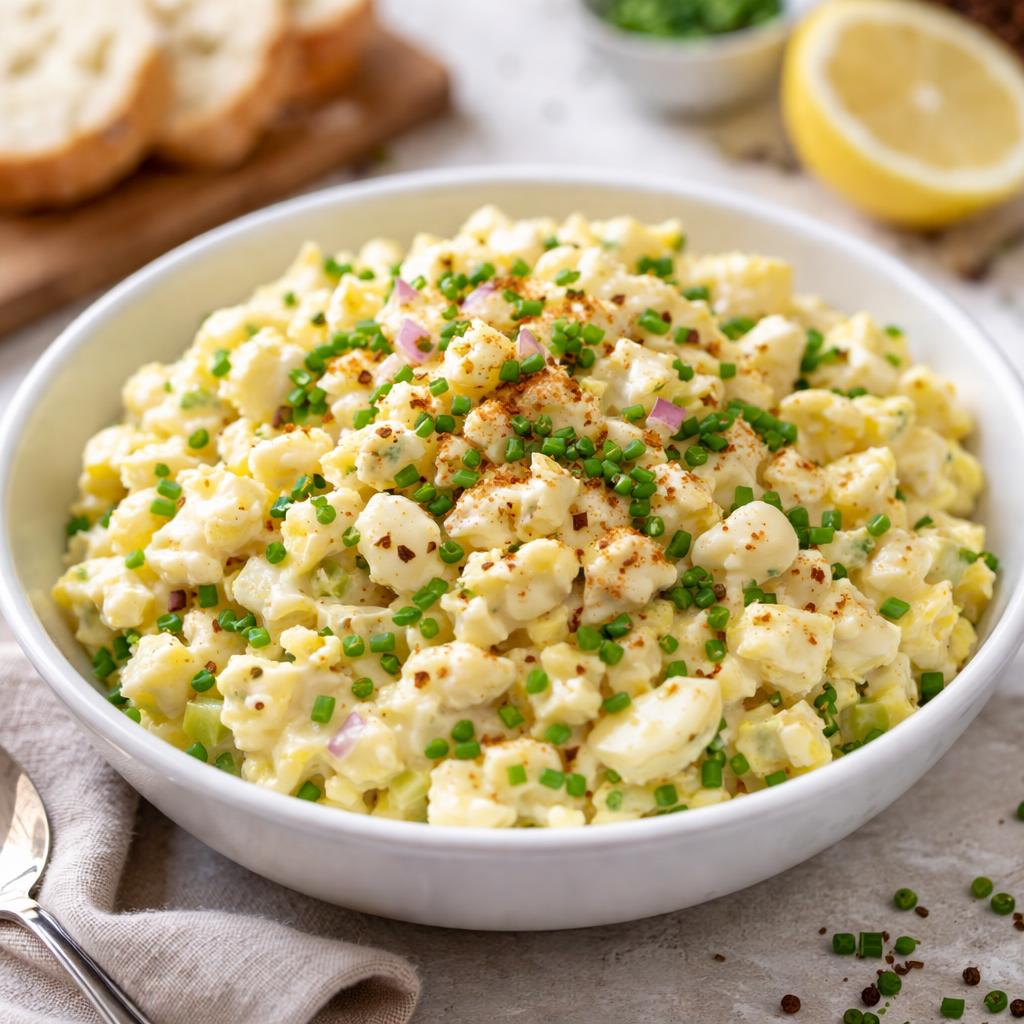
Egg Salad
🎯 Quick Verdict
Chicken is significantly higher in protein and lower in calories than egg salad, making it ideal for high-protein and weight-loss diets. Egg salad, while lower in protein, provides more fiber and healthy fats, which can be beneficial for energy and heart health. Both foods have distinct advantages depending on dietary priorities.

Smart Nutrition Tracking with SnapCalorie

📊 Nutritional Comparison
Macronutrients
| Nutrient | Food 1 | Food 2 | Winner |
|---|---|---|---|
| Calories | 165 per 100g | 230 per 100g | ✓ |
| Protein | 31g per 100g | 9g per 100g | ✓ |
| Carbs | 0g per 100g | 3g per 100g | ✓ |
| Fat | 3.6g per 100g | 19g per 100g | ✓ |
| Fiber | 0g per 100g | 1g per 100g | ✓ |
Vitamins & Minerals
| Nutrient | Food 1 | Food 2 | Winner |
|---|---|---|---|
| Vitamin D | 1.1mcg per 100g | 2mcg per 100g | ✓ |
| Calcium | 12mg per 100g | 28mg per 100g | ✓ |
| Iron | 1.3mg per 100g | 1.9mg per 100g | ✓ |
🏆 Category Winners
Protein
Chicken contains over three times more protein per serving than egg salad.
Fiber
Egg salad provides dietary fiber, whereas chicken contains none.
Calories
Chicken has 28% fewer calories per serving than egg salad.
Vitamins
Egg salad offers higher levels of Vitamin D, Calcium, and Iron compared to chicken.
🥗 Diet Compatibility
Keto
Food 1: Compatible
Food 2: Compatible
Both are low-carb and suitable for keto diets.
Vegan
Food 1: Not Compatible
Food 2: Not Compatible
Both foods contain animal products.
Gluten Free
Food 1: Compatible
Food 2: Compatible
Neither contains gluten ingredients.
Paleo
Food 1: Compatible
Food 2: Partially Compatible
Chicken aligns fully with paleo diets; egg salad with processed mayonnaise may not.
Low Carb
Food 1: Compatible
Food 2: Compatible
Both are low in carbohydrates.
💪 Health Benefits Comparison
Food 1 Benefits
- Excellent source of lean protein for muscle building
- Low in calories, ideal for weight management
- Provides B vitamins for energy metabolism
Food 2 Benefits
- Good source of healthy fats for heart health
- Contains Vitamin D, supporting bone health
- Rich in Iron, essential for red blood cell production
✅ The Bottom Line
Choose chicken if you need high protein, low-fat, and fewer calories for muscle gain or weight loss. Opt for egg salad if you want a nutrient-dense, energy-boosting food with healthy fats and minerals for overall health and satisfaction.
Choose Food 1 for: Weight loss, muscle building, low-carb diets
Choose Food 2 for: Heart health, energy, nutrient density


