Chicken VS Egg
A detailed nutritional comparison
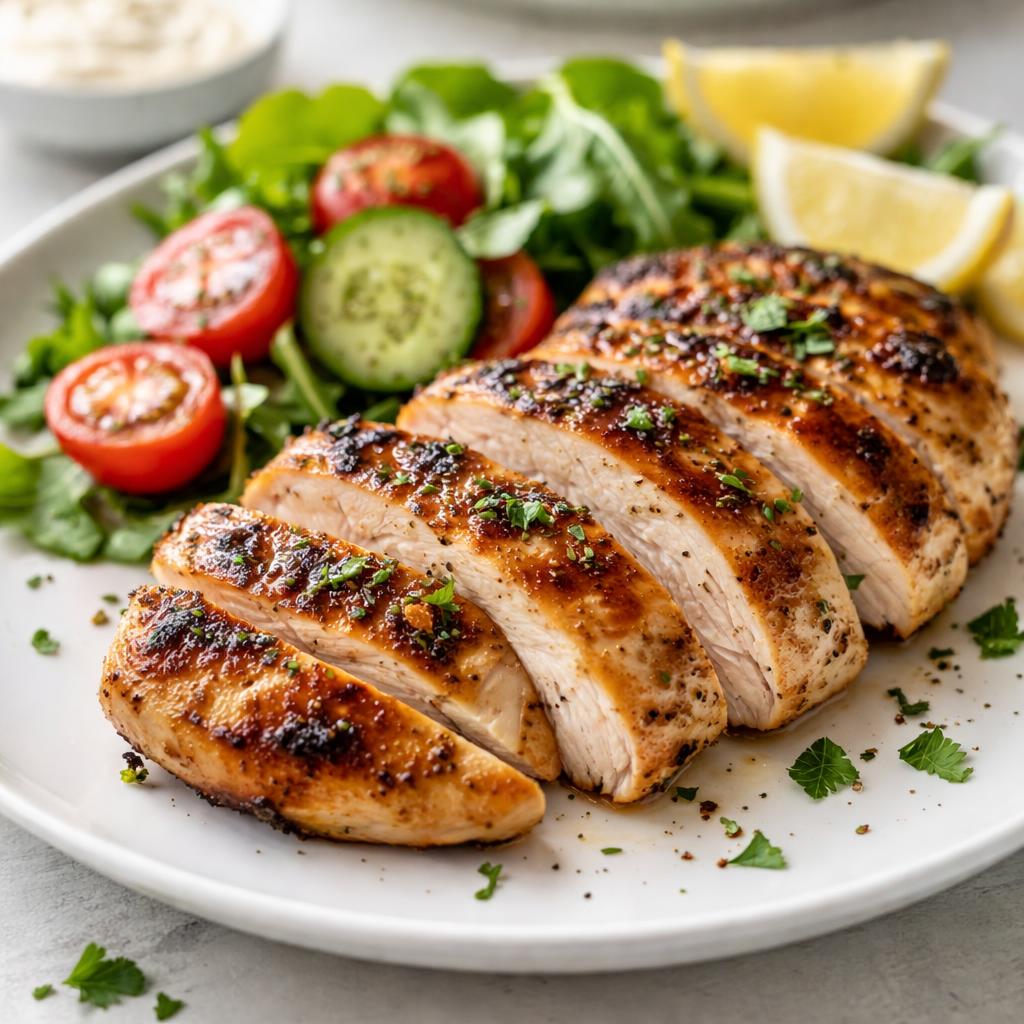
Chicken
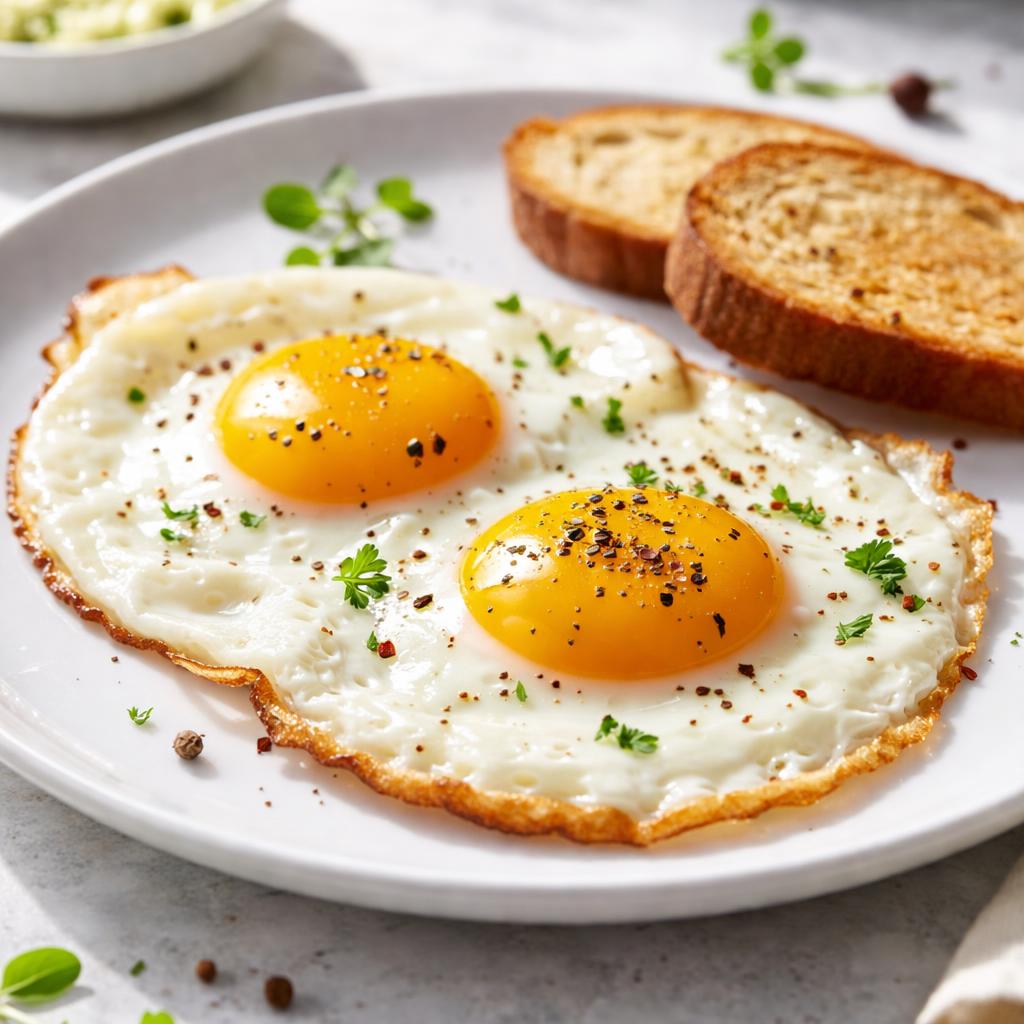
Egg
🎯 Quick Verdict
Chicken is higher in protein and lower in calories compared to eggs, making it ideal for those focused on muscle building or weight loss. Eggs, however, offer a higher nutrient density with heart-healthy fats, vitamins, and minerals. Each food has unique strengths, and the choice should depend on dietary priorities and meal context.

Smart Nutrition Tracking with SnapCalorie

📊 Nutritional Comparison
Macronutrients
| Nutrient | Food 1 | Food 2 | Winner |
|---|---|---|---|
| Calories | 165 per 3oz | 70 per large egg | ✓ |
| Protein | 31g per 3oz | 6g per large egg | ✓ |
| Carbs | 0g | 0.6g per large egg | ✓ |
| Fat | 3.6g per 3oz | 5g per large egg | ✓ |
| Fiber | 0g | 0g | − |
Vitamins & Minerals
| Nutrient | Food 1 | Food 2 | Winner |
|---|---|---|---|
| Vitamin D | 0mcg | 1.1mcg per large egg | ✓ |
| Vitamin B12 | 0.3mcg per 3oz | 0.6mcg per large egg | ✓ |
| Iron | 1mg per 3oz | 0.9mg per large egg | ✓ |
| Choline | 75mg per 3oz | 147mg per large egg | ✓ |
🏆 Category Winners
Protein
Chicken contains over 5 times more protein per serving compared to eggs.
Fiber
Neither food contains fiber.
Calories
Eggs contain fewer calories per serving.
Vitamins
Eggs provide more vitamins like D, B12, and choline, which are essential for brain and bone health.
🥗 Diet Compatibility
Keto
Food 1: Compatible
Food 2: Compatible
Both are high-protein and low-carb foods, making them suitable for keto diets.
Vegan
Food 1: Not Compatible
Food 2: Not Compatible
Neither food is plant-based.
Gluten Free
Food 1: Compatible
Food 2: Compatible
Both foods are naturally gluten-free.
Paleo
Food 1: Compatible
Food 2: Compatible
Both align well with paleo dietary principles.
Low-Carb
Food 1: Compatible
Food 2: Compatible
Both foods are very low in carbohydrates.
💪 Health Benefits Comparison
Food 1 Benefits
- Excellent source of lean protein for muscle growth and repair
- Low in fat, supporting weight management goals
- Contains iron for improved oxygen transport in the body
Food 2 Benefits
- Rich in heart-healthy fats for cardiovascular support
- Provides choline for brain health and metabolism
- Good source of vitamin D for bone health and immunity
- Contains high-quality protein for muscle support
✅ The Bottom Line
Choose chicken if you're prioritizing high protein content with fewer calories, especially for muscle building or weight loss. Opt for eggs if you want a nutrient-dense option with healthy fats and beneficial vitamins, especially for brain health and sustained energy.
Choose Food 1 for: Weight loss, high-protein diets, post-workout meals
Choose Food 2 for: Heart health, nutrient density, balanced energy intake


