Chicken VS Couscous Salad
A detailed nutritional comparison
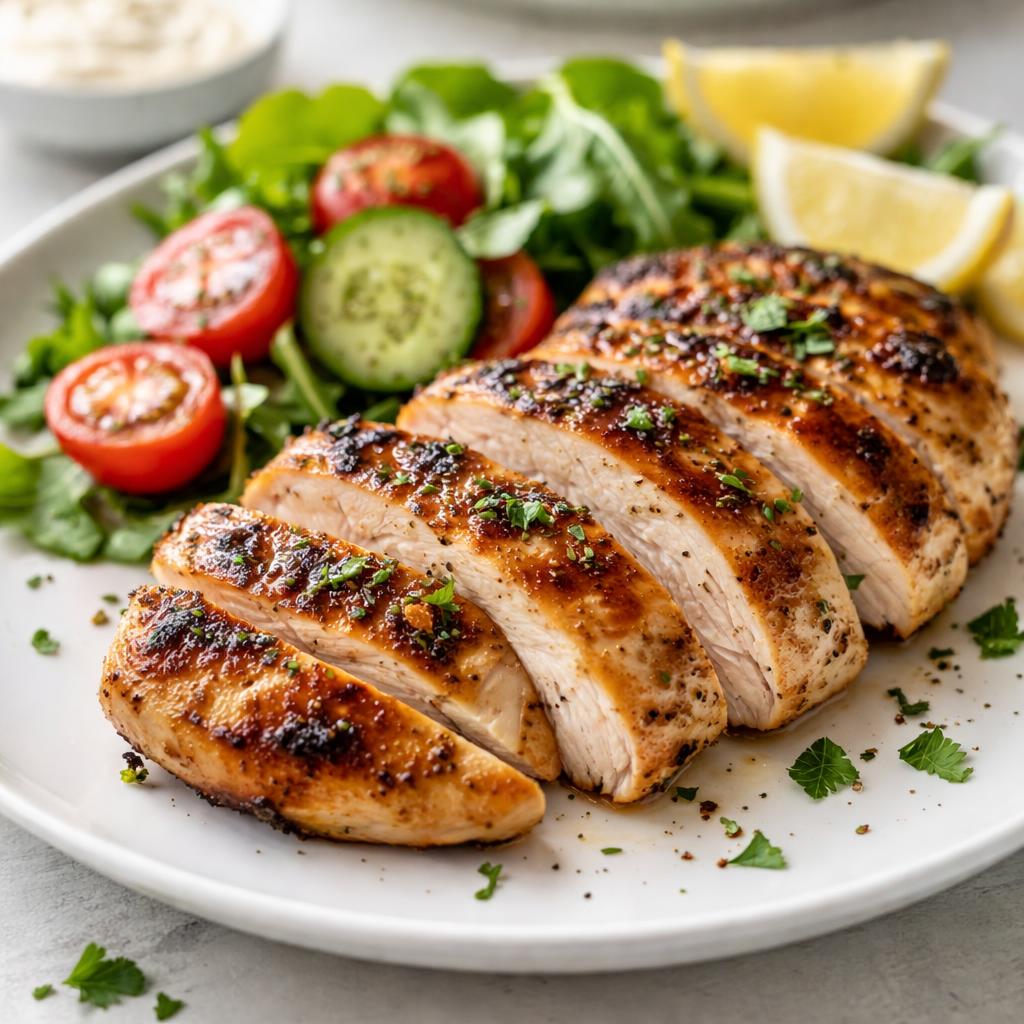
Chicken
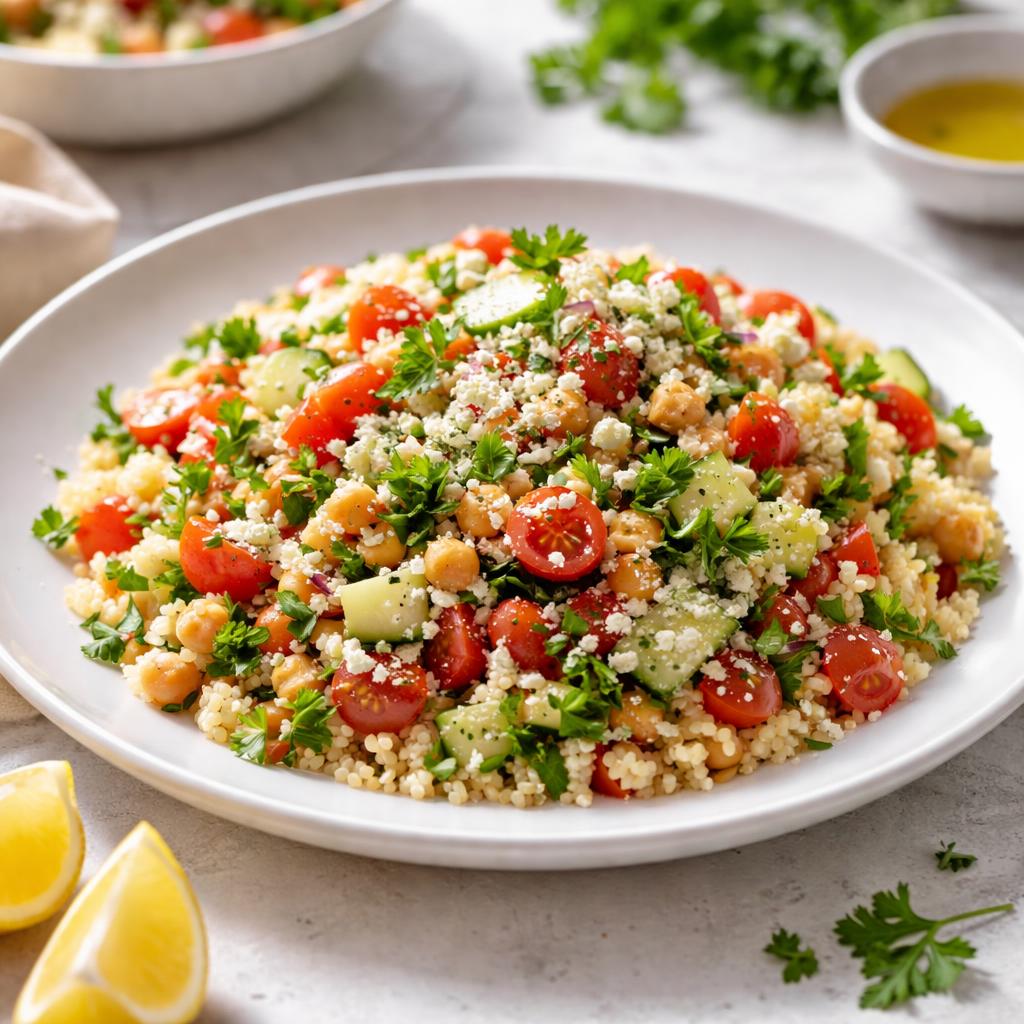
Couscous Salad
🎯 Quick Verdict
Chicken is a lean protein source with significantly higher protein and lower calories compared to couscous salad, making it ideal for muscle building and weight management. Couscous salad, however, is rich in fiber and carbohydrates, making it a great plant-based option for sustained energy and overall nutrient density.

Smart Nutrition Tracking with SnapCalorie

📊 Nutritional Comparison
Macronutrients
| Nutrient | Food 1 | Food 2 | Winner |
|---|---|---|---|
| Calories | 165 | 220 | ✓ |
| Protein | 31g | 6g | ✓ |
| Carbs | 0g | 37g | ✓ |
| Fat | 3.6g | 7g | ✓ |
| Fiber | 0g | 4g | ✓ |
Vitamins & Minerals
| Nutrient | Food 1 | Food 2 | Winner |
|---|---|---|---|
| Vitamin B6 | 0.5mg | 0.1mg | ✓ |
| Vitamin C | 0mg | 10mg | ✓ |
| Iron | 1.1mg | 2mg | ✓ |
🏆 Category Winners
Protein
Chicken contains over 5 times more protein per serving.
Fiber
Couscous salad provides 4g of fiber per serving, compared to none in chicken.
Calories
Chicken has 25% fewer calories than couscous salad.
Vitamins
Couscous salad has higher micronutrient density, particularly vitamin C and iron.
🥗 Diet Compatibility
Keto
Food 1: Compatible
Food 2: Not Compatible
Chicken is very low in carbs, whereas couscous salad is high in carbohydrates.
Vegan
Food 1: Not Compatible
Food 2: Compatible
Couscous salad is entirely plant-based.
Gluten Free
Food 1: Compatible
Food 2: Not Compatible
Couscous contains gluten; chicken does not.
Paleo
Food 1: Compatible
Food 2: Not Compatible
Chicken adheres to a Paleo diet, while couscous grains do not fit Paleo guidelines.
Low Carb
Food 1: Compatible
Food 2: Not Compatible
Chicken is carb-free, making it suitable for low-carb diets.
💪 Health Benefits Comparison
Food 1 Benefits
- Excellent source of lean protein for muscle repair and growth
- Low in calories, supporting weight loss goals
- Rich in vitamin B6, aiding energy metabolism
Food 2 Benefits
- High in fiber to promote digestive health
- Rich in complex carbohydrates for long-lasting energy
- Contains iron and vitamin C to support oxygen transport and immune function
✅ The Bottom Line
Chicken is a highly nutritious option for those focusing on protein intake, weight management, or low-carb diets. Couscous salad shines as a plant-based, high-fiber side dish, perfect for individuals seeking sustained energy and micronutrient benefits.
Choose Food 1 for: High-protein diets, weight loss, keto and Paleo compatibility
Choose Food 2 for: Plant-based meals, athletes needing energy, those seeking nutrient density


