Chicken VS Candy
A detailed nutritional comparison

Chicken
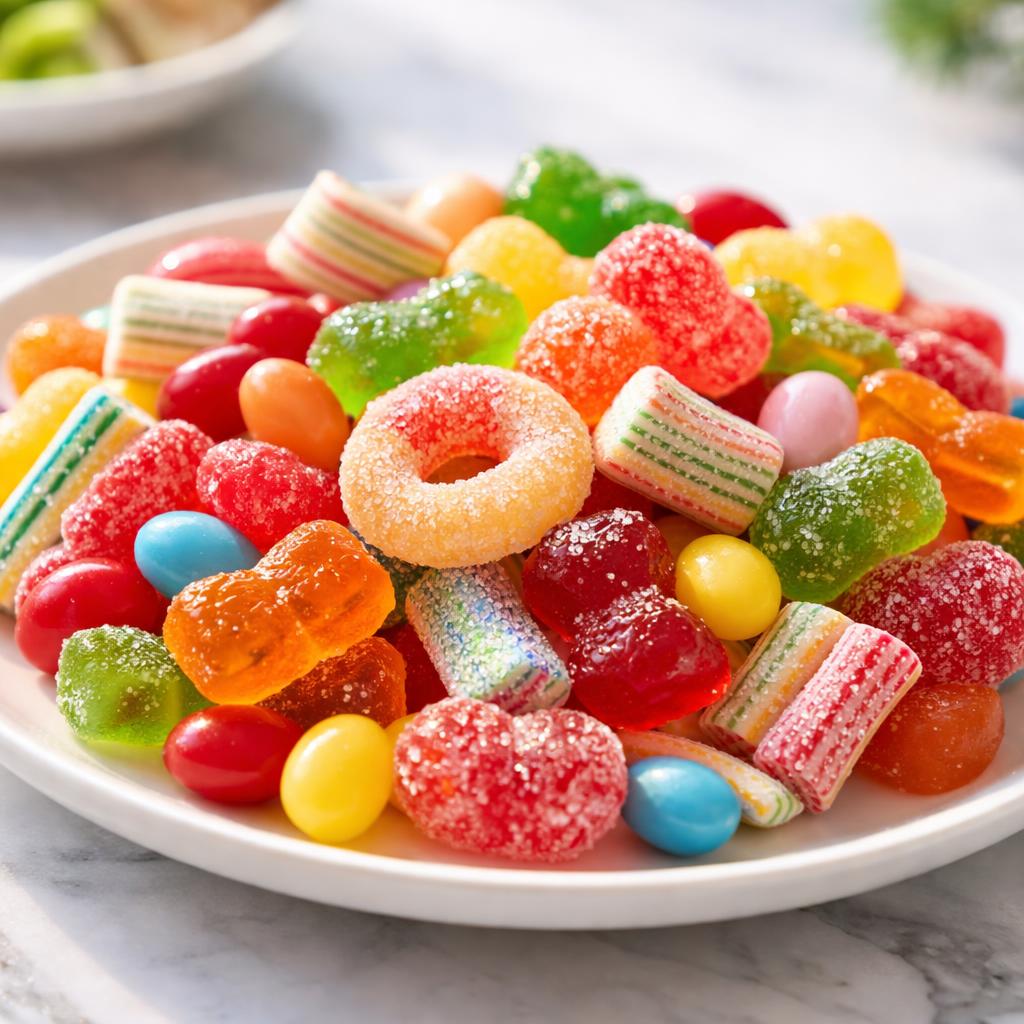
Candy
🎯 Quick Verdict
Chicken is vastly superior in terms of protein content, making it ideal for muscle maintenance and recovery, while candy is high in sugar and provides quick energy with little nutritional value. Choose chicken for a nutrient-dense option, and candy for occasional indulgence and quick energy boosts.

Smart Nutrition Tracking with SnapCalorie

📊 Nutritional Comparison
Macronutrients
| Nutrient | Food 1 | Food 2 | Winner |
|---|---|---|---|
| Calories | 165 | 250 | ✓ |
| Protein | 31g | 0g | ✓ |
| Carbs | 0g | 60g | ✓ |
| Fat | 3.6g | 8g | ✓ |
| Fiber | 0g | 0g | − |
Vitamins & Minerals
| Nutrient | Food 1 | Food 2 | Winner |
|---|---|---|---|
| Vitamin D | 1.1mcg | 0mcg | ✓ |
| Calcium | 13mg | 3mg | ✓ |
| Iron | 1mg | 0.1mg | ✓ |
🏆 Category Winners
Protein
Chicken provides 31g of protein per serving, making it the clear winner for protein content.
Fiber
Neither chicken nor candy provides fiber.
Calories
Chicken has fewer calories per serving compared to candy, making it better for calorie-conscious diets.
Vitamins
Chicken contains more essential vitamins and minerals such as Vitamin D, calcium, and iron.
🥗 Diet Compatibility
Keto
Food 1: Compatible
Food 2: Not Compatible
Chicken is low in carbs, whereas candy is carb-heavy.
Vegan
Food 1: Not Compatible
Food 2: Compatible
Chicken is an animal product, while candy can be plant-based.
Gluten Free
Food 1: Compatible
Food 2: Check labels
Chicken is naturally gluten-free, while candy may contain gluten ingredients or traces.
Paleo
Food 1: Compatible
Food 2: Not Compatible
Chicken aligns with Paleo guidelines, while candy does not due to processed sugars.
Low Carb
Food 1: Compatible
Food 2: Not Compatible
Chicken is carb-free, whereas candy contains 60g of carbohydrates per serving.
💪 Health Benefits Comparison
Food 1 Benefits
- High protein content supports muscle growth and repair.
- Low in carbohydrates, suitable for low-carb or keto diets.
- Contains essential vitamins and minerals like Vitamin D, calcium, and iron.
Food 2 Benefits
- Quick source of energy due to high sugar content.
- May contain antioxidants depending on ingredients (e.g., chocolate-based candy).
- Easy to consume and provides mental satisfaction or a mood boost.
✅ The Bottom Line
Choose chicken for protein-rich, nutrient-dense meals that support overall health and fitness goals. Candy is best for occasional treats when energy or morale needs a boost, but moderation is key due to its high sugar and calorie content.
Choose Food 1 for: Muscle recovery, weight management, paleo and keto diets
Choose Food 2 for: Quick energy, occasional dessert, mental satisfaction


