Chicken VS Bologna
A detailed nutritional comparison
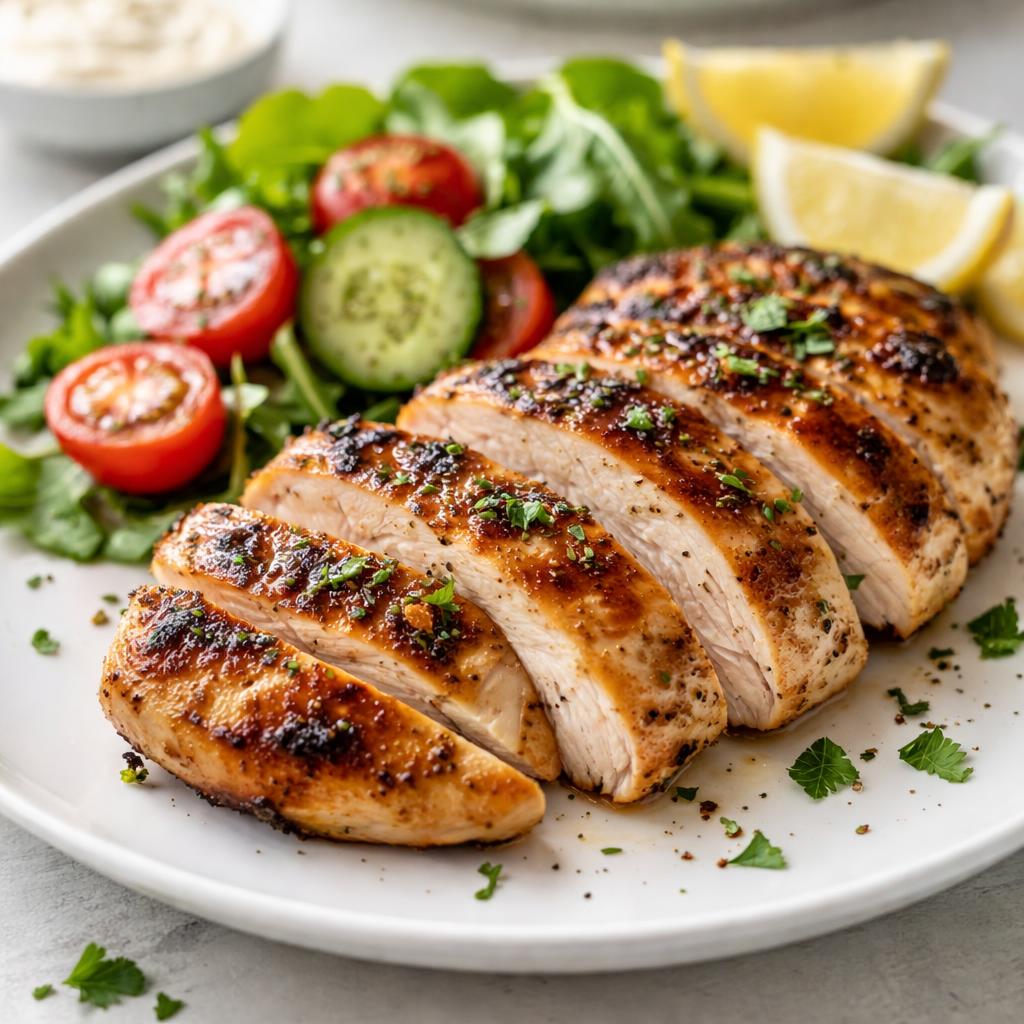
Chicken
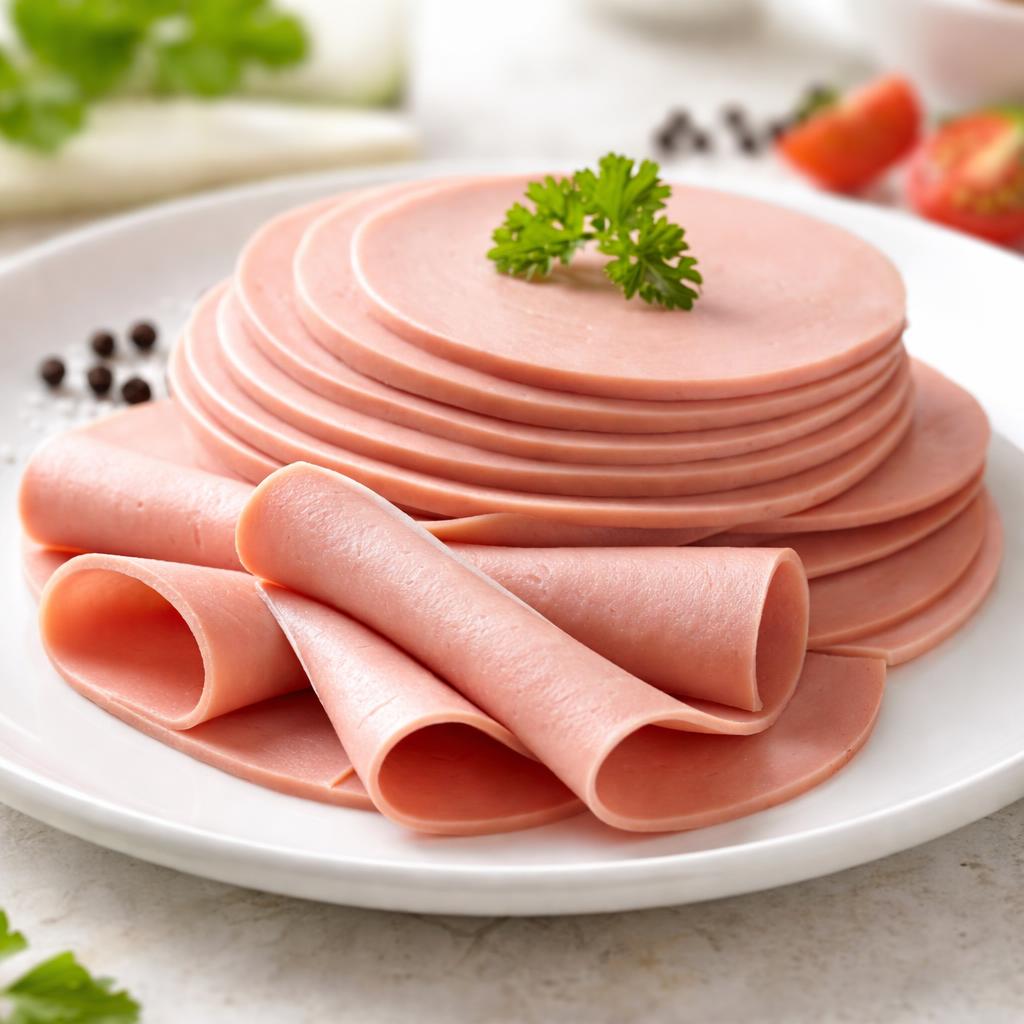
Bologna
🎯 Quick Verdict
Chicken outshines bologna as a high-protein, low-calorie option, making it ideal for health-conscious diets. Bologna, while tasty, is higher in fat and sodium, making it less nutrient-dense and suitable for occasional indulgence rather than daily consumption.

Smart Nutrition Tracking with SnapCalorie

📊 Nutritional Comparison
Macronutrients
| Nutrient | Food 1 | Food 2 | Winner |
|---|---|---|---|
| Calories | 165 per 100g | 275 per 100g | ✓ |
| Protein | 31g per 100g | 10g per 100g | ✓ |
| Carbs | 0g per 100g | 2g per 100g | ✓ |
| Fat | 3.6g per 100g | 23g per 100g | ✓ |
| Fiber | 0g per 100g | 0g per 100g | − |
Vitamins & Minerals
| Nutrient | Food 1 | Food 2 | Winner |
|---|---|---|---|
| Vitamin B12 | 0.3mcg per 100g | 0.8mcg per 100g | ✓ |
| Iron | 1mg per 100g | 0.6mg per 100g | ✓ |
| Sodium | 70mg per 100g | 900mg per 100g | ✓ |
🏆 Category Winners
Protein
Chicken packs over three times the amount of protein compared to bologna.
Fiber
Neither chicken nor bologna contains fiber.
Calories
Chicken has 40% fewer calories per serving.
Vitamins
Bologna offers more vitamin B12; however, its high sodium detracts from overall health value.
🥗 Diet Compatibility
Keto
Food 1: Compatible
Food 2: Compatible
Both are low-carb and keto-friendly.
Vegan
Food 1: Not Compatible
Food 2: Not Compatible
Both are animal-based products.
Gluten Free
Food 1: Compatible
Food 2: Check Ingredients
Chicken is naturally gluten-free, while processed bologna may contain gluten-containing additives.
Paleo
Food 1: Compatible
Food 2: Not Compatible
Chicken aligns with paleo diets as a whole food, while bologna is heavily processed.
Low Carb
Food 1: Compatible
Food 2: Compatible
Both are suitable for low-carb diets with minimal carbohydrate content.
💪 Health Benefits Comparison
Food 1 Benefits
- Excellent source of lean protein to support muscle growth and repair
- Low in fat and calories, ideal for weight management
- Provides important nutrients like iron and phosphorus
Food 2 Benefits
- Contains vitamin B12 for energy production
- Provides fats for quick energy
- Tasty and convenient, useful for occasional indulgence or quick meals
✅ The Bottom Line
Choose chicken for healthy, high-protein meals, especially if you're aiming for weight loss or muscle-building. Bologna, while flavorful, should be consumed sparingly due to its high fat and sodium content.
Choose Food 1 for: Weight loss, muscle-building diets, paleo diets
Choose Food 2 for: Occasional indulgence, quick convenience, higher-fat diets


