Chicken VS Black Olives
A detailed nutritional comparison
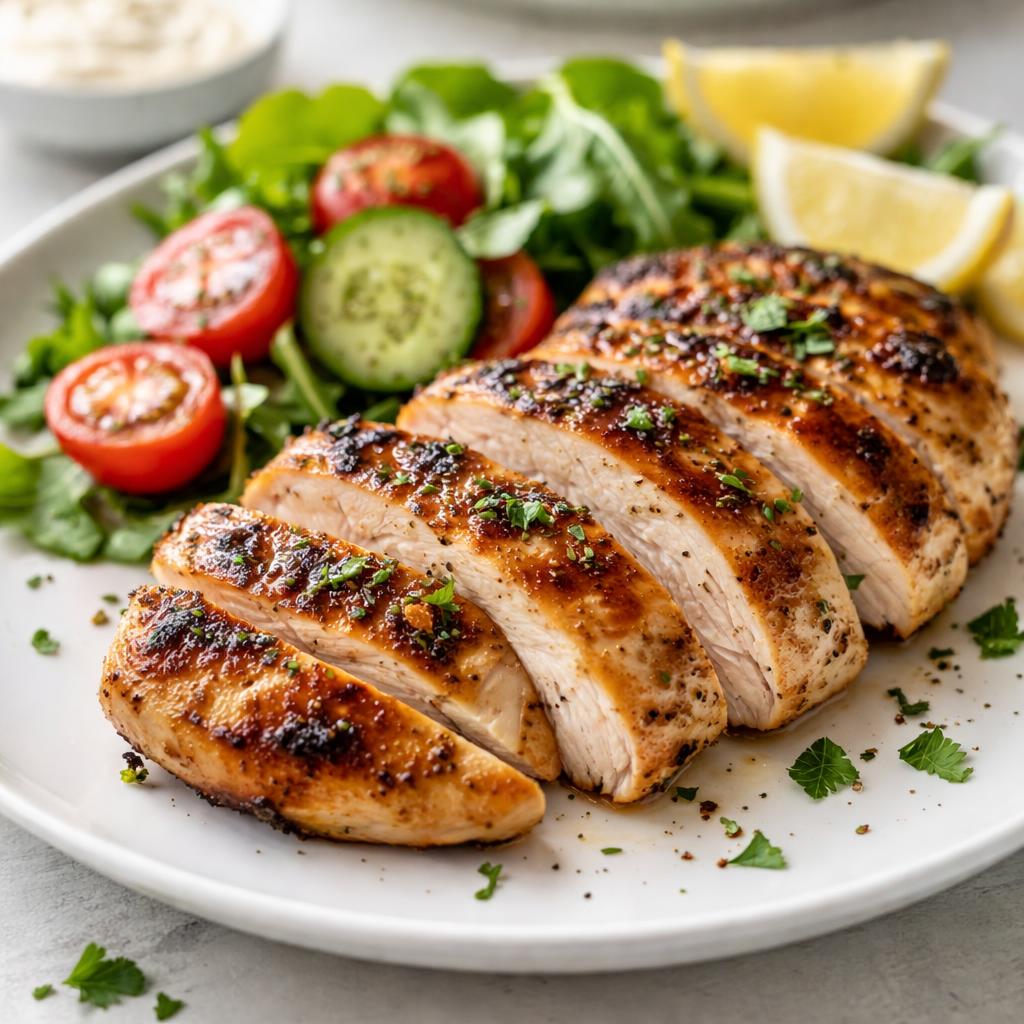
Chicken
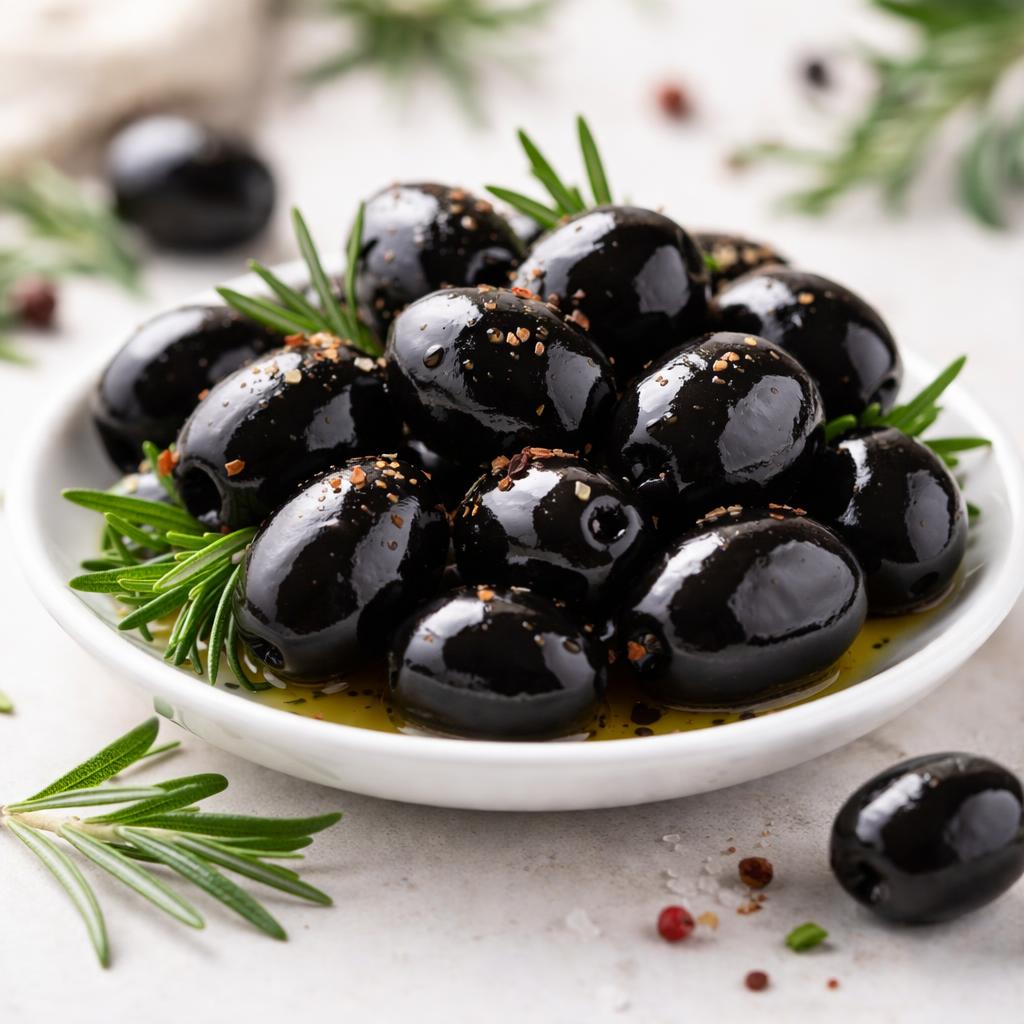
Black Olives
🎯 Quick Verdict
Chicken is a high-protein food with lower calories and fat, ideal for building muscle and weight management. Black olives are rich in heart-healthy fats and provide fiber, vitamins, and antioxidants, making them a good choice for nutrient density and sustained energy. Both foods serve distinct dietary purposes depending on goals such as fitness or heart health.

Smart Nutrition Tracking with SnapCalorie

📊 Nutritional Comparison
Macronutrients
| Nutrient | Food 1 | Food 2 | Winner |
|---|---|---|---|
| Calories | 165 | 115 | ✓ |
| Protein | 31g | 1g | ✓ |
| Carbs | 0g | 6g | ✓ |
| Fat | 3.6g | 10.7g | ✓ |
| Fiber | 0g | 3g | ✓ |
Vitamins & Minerals
| Nutrient | Food 1 | Food 2 | Winner |
|---|---|---|---|
| Vitamin A | 13IU | 346IU | ✓ |
| Vitamin D | 0IU | 0IU | − |
| Calcium | 11mg | 52mg | ✓ |
| Iron | 1mg | 0.5mg | ✓ |
🏆 Category Winners
Protein
Chicken has an extremely high protein concentration compared to black olives.
Fiber
Black olives provide 3 grams of fiber per serving, while chicken contains none.
Calories
Black olives have fewer calories in typical servings (115 calories vs. 165 calories).
🥗 Diet Compatibility
Keto
Food 1: Compatible
Food 2: Compatible
Both are low-carb and suitable for a ketogenic diet.
Vegan
Food 1: Not Compatible
Food 2: Compatible
Chicken is animal-derived, while olives are plant-based.
Gluten Free
Food 1: Compatible
Food 2: Compatible
Neither contains gluten.
Paleo
Food 1: Compatible
Food 2: Compatible
Both align with paleo dietary principles.
Low Carb
Food 1: Compatible
Food 2: Compatible
Both are low-carb options.
💪 Health Benefits Comparison
Food 1 Benefits
- Excellent source of lean protein for muscle building and repair
- Low in fat, supporting heart and weight management
- Provides various B vitamins for energy metabolism
Food 2 Benefits
- Rich in monounsaturated fats for heart health
- Contains antioxidants that reduce inflammation
- Provides dietary fiber for improved digestion
✅ The Bottom Line
Choose chicken when looking for a high-protein option for muscle repair, weight loss, or post-workout recovery. Black olives are ideal for adding healthy fats, antioxidants, and fiber to salads or snacks. Both foods can complement each other depending on dietary goals.
Choose Food 1 for: Muscle building, weight loss, post-workout meals
Choose Food 2 for: Heart health, nutrient density, snacks or salad toppings


