Cherry Tomatoes VS Zucchini
A detailed nutritional comparison
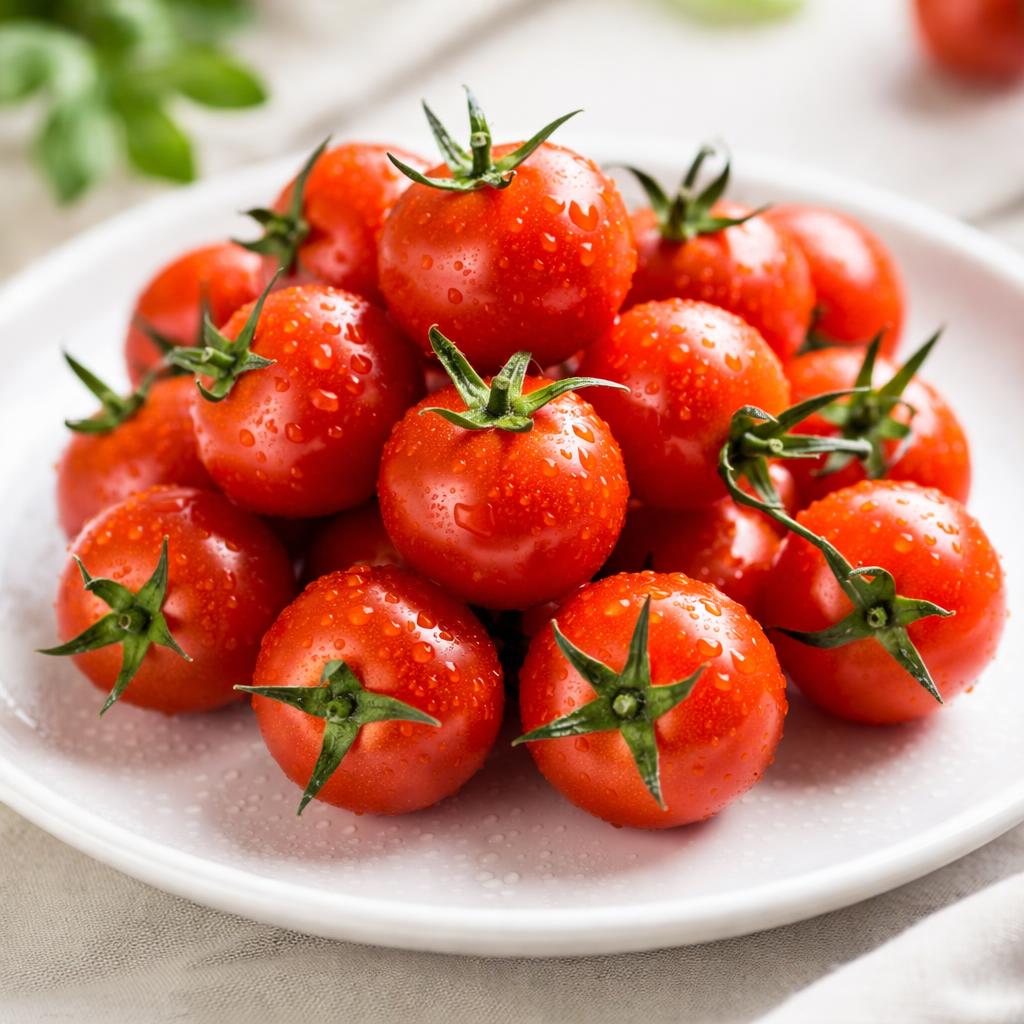
Cherry Tomatoes
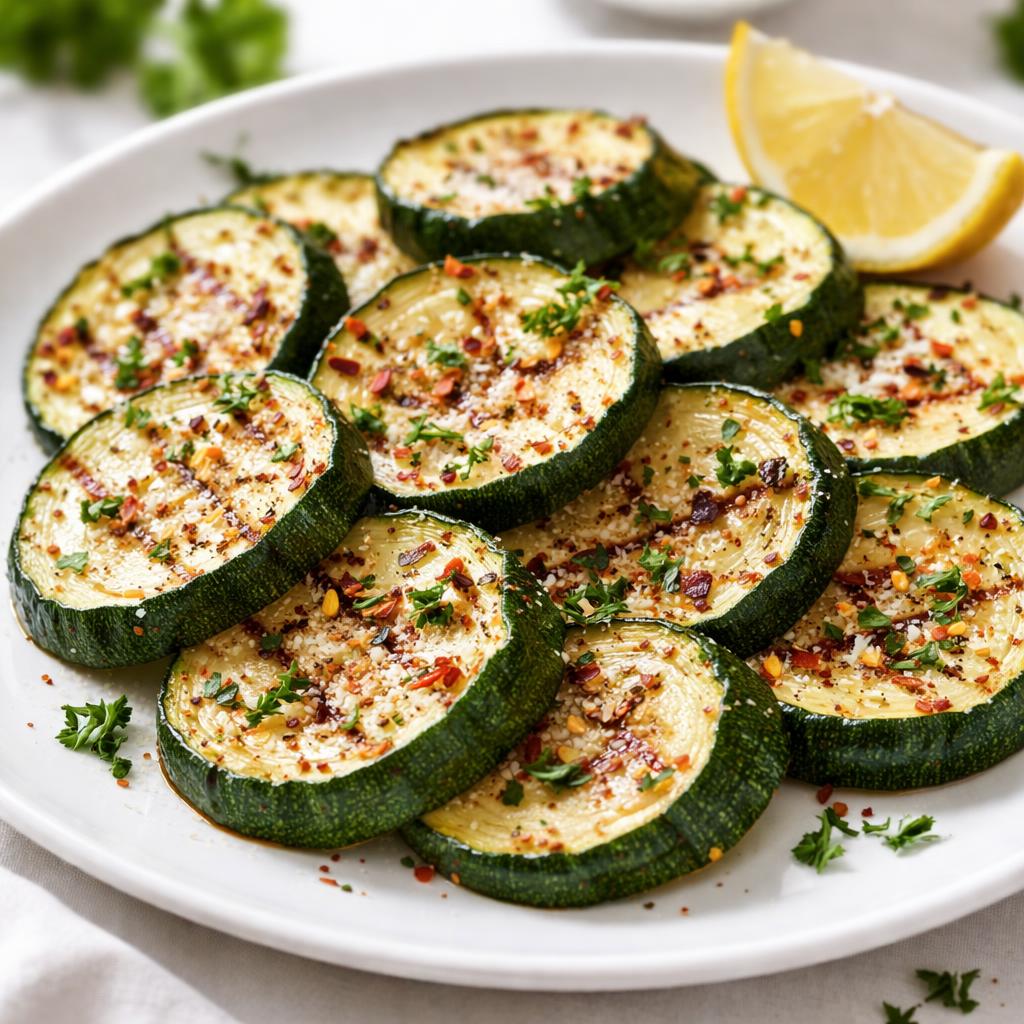
Zucchini
🎯 Quick Verdict
Cherry tomatoes and zucchini are nutrient-rich, low-calorie options, but cherry tomatoes offer more fiber and potassium while zucchini has fewer calories per serving. Cherry tomatoes are better for adding flavor and antioxidants, while zucchini is ideal for low-calorie or versatile recipes like zoodles.

Smart Nutrition Tracking with SnapCalorie

📊 Nutritional Comparison
Macronutrients
| Nutrient | Food 1 | Food 2 | Winner |
|---|---|---|---|
| Calories | 18 per 100g | 16 per 100g | ✓ |
| Protein | 0.9g per 100g | 0.6g per 100g | − |
| Carbs | 3.9g per 100g | 3.1g per 100g | ✓ |
| Fat | 0.2g per 100g | 0.3g per 100g | − |
| Fiber | 1.2g per 100g | 0.8g per 100g | ✓ |
Vitamins & Minerals
| Nutrient | Food 1 | Food 2 | Winner |
|---|---|---|---|
| Vitamin C | 23mg per 100g | 17mg per 100g | ✓ |
| Potassium | 270mg per 100g | 261mg per 100g | ✓ |
| Vitamin A | 1025 IU per 100g | 200 IU per 100g | ✓ |
| Vitamin K | 10mcg per 100g | 4.3mcg per 100g | ✓ |
🏆 Category Winners
Protein
Both foods have low, comparable protein levels.
Fiber
Cherry tomatoes provide 50% more fiber per serving.
Calories
Zucchini has slightly fewer calories (16 vs 18 per 100g).
Vitamins
Cherry tomatoes are richer in Vitamin C, A, and K compared to zucchini.
🥗 Diet Compatibility
Keto
Food 1: Compatible
Food 2: Compatible
Both are low-carb vegetables suitable for keto diets.
Vegan
Food 1: Compatible
Food 2: Compatible
Both are plant-based and suitable for vegan diets.
Gluten Free
Food 1: Compatible
Food 2: Compatible
Neither contains gluten.
Paleo
Food 1: Compatible
Food 2: Compatible
Both are natural, unprocessed vegetables and align with paleo guidelines.
Low-Carb
Food 1: Compatible
Food 2: Compatible
Both are low in carbs and fit low-carb diets.
💪 Health Benefits Comparison
Food 1 Benefits
- High in antioxidants like lycopene for cellular health
- Rich in vitamin C for immune support
- Good source of fiber supporting digestion
- Contains potassium for heart health
Food 2 Benefits
- Low-calorie option for weight management
- Provides Vitamin C for immunity
- Contains potassium for blood pressure regulation
- Versatile and hydrating with high water content
✅ The Bottom Line
Cherry tomatoes outperform zucchini in terms of fiber, potassium, and vitamins, making them a great choice for those focusing on nutrient density and flavor. Zucchini excels as a low-calorie, versatile vegetable, ideal for filling recipes or as a pasta substitute. Both are excellent additions to a balanced diet.
Choose Food 1 for: Flavor enhancement, nutrient density, salads or snacks
Choose Food 2 for: Low-calorie meals, versatile recipes, pasta substitutes


