Cherry Tomatoes VS White Wine
A detailed nutritional comparison
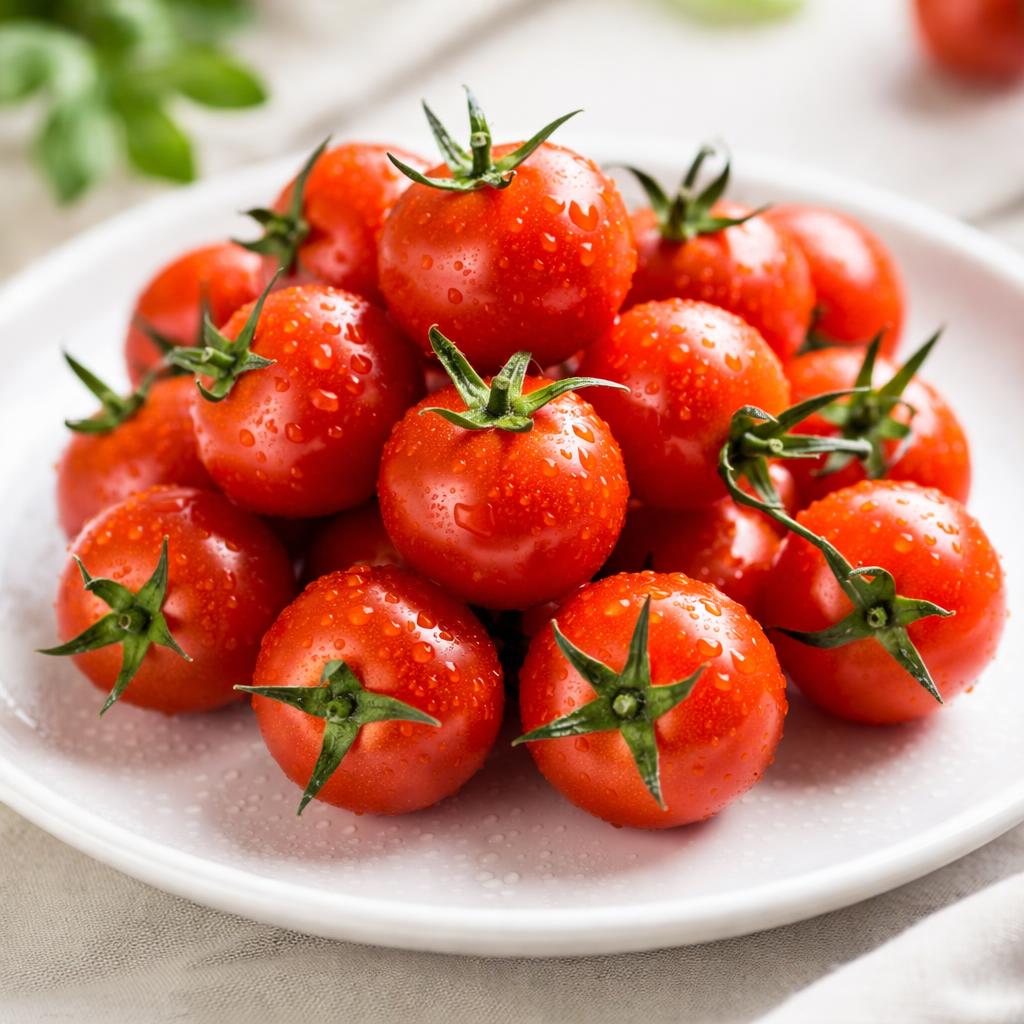
Cherry Tomatoes
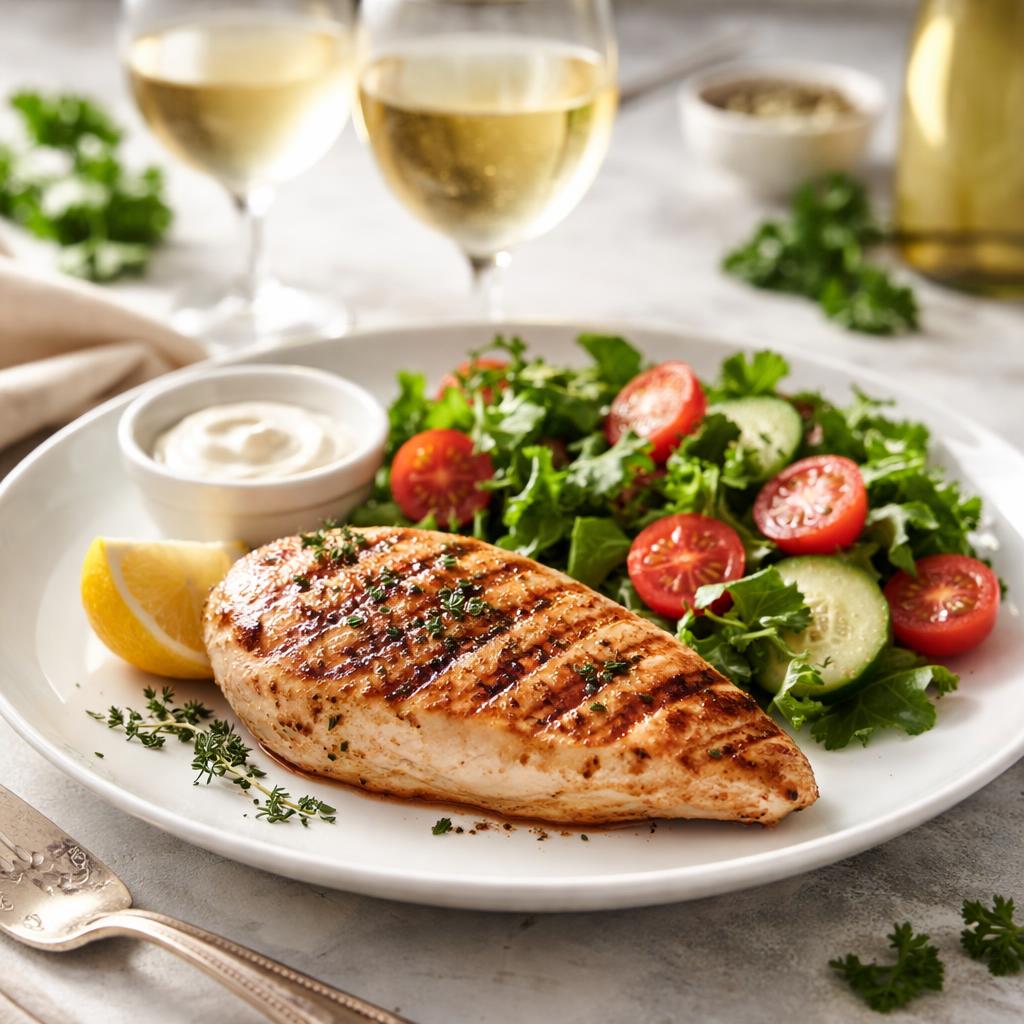
White Wine
🎯 Quick Verdict
Cherry tomatoes and white wine are vastly different in nutritional profiles and use cases. Cherry tomatoes are low-calorie, nutrient-dense, and offer fiber and vitamins like vitamin C and potassium, ideal for healthy eating. White wine is calorie-dense with low nutrients, fitting occasional indulgence or pairing with meals, but not recommended for daily nutrition needs.

Smart Nutrition Tracking with SnapCalorie

📊 Nutritional Comparison
Macronutrients
| Nutrient | Food 1 | Food 2 | Winner |
|---|---|---|---|
| Calories | 18 (per 100g) | 85 (per 100ml) | ✓ |
| Protein | 0.9g | 0.1g | ✓ |
| Carbs | 3.9g | 2.6g | ✓ |
| Fat | 0.2g | 0g | ✓ |
| Fiber | 1.2g | 0g | ✓ |
Vitamins & Minerals
| Nutrient | Food 1 | Food 2 | Winner |
|---|---|---|---|
| Vitamin C | 13mg (15% DV) | 0mg | ✓ |
| Potassium | 237mg | 12mg | ✓ |
| Vitamin A | 1025 IU | 0 IU | ✓ |
🏆 Category Winners
Protein
Cherry tomatoes have much higher protein at 0.9g versus 0.1g in white wine.
Fiber
Cherry tomatoes provide fiber while white wine has none.
Calories
Cherry tomatoes are significantly lower in calories.
🥗 Diet Compatibility
Keto
Food 1: Compatible
Food 2: Compatible
Both are low-carb; cherry tomatoes provide 3.9g carbs per 100g, white wine has 2.6g carbs per 100ml.
Vegan
Food 1: Compatible
Food 2: Compatible
Both are plant-based and vegan-friendly.
Gluten Free
Food 1: Compatible
Food 2: Compatible
Neither contains gluten.
Paleo
Food 1: Compatible
Food 2: Not Compatible
Cherry tomatoes fit paleo diets, but white wine does not due to alcohol content.
Low Carb
Food 1: Compatible
Food 2: Compatible
Both are low-carb options suitable for a low-carb diet.
💪 Health Benefits Comparison
Food 1 Benefits
- Rich in vitamin C for immune system support
- Contains potassium for heart health and fluid balance
- Provides dietary fiber for digestive health
- Low in calories and ideal for weight loss
Food 2 Benefits
- Contains antioxidants like resveratrol (beneficial for heart health)
- Low-carb and can be consumed in moderation
- May promote relaxation and reduce stress
✅ The Bottom Line
Cherry tomatoes are the healthier choice, offering valuable nutrients, fiber, and very low calories, making them ideal for everyday diets. White wine, while enjoyable in moderation, is calorie-dense and offers limited nutritional benefits, suited for occasional indulgence or pairing with meals.
Choose Food 1 for: Weight management, nutrient-dense snacks, balanced meals
Choose Food 2 for: Social occasions, meal pairing, relaxation


