Cherry Tomatoes VS Tomate
A detailed nutritional comparison
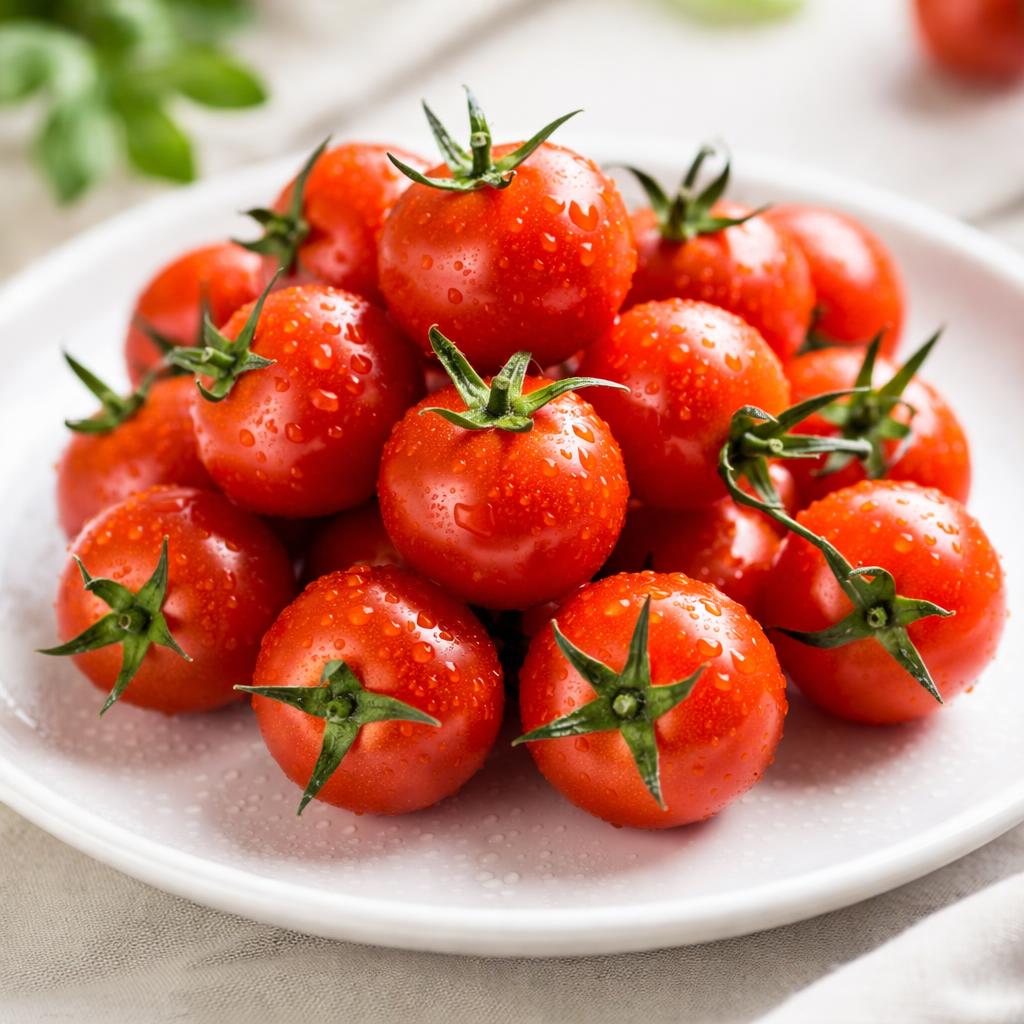
Cherry Tomatoes
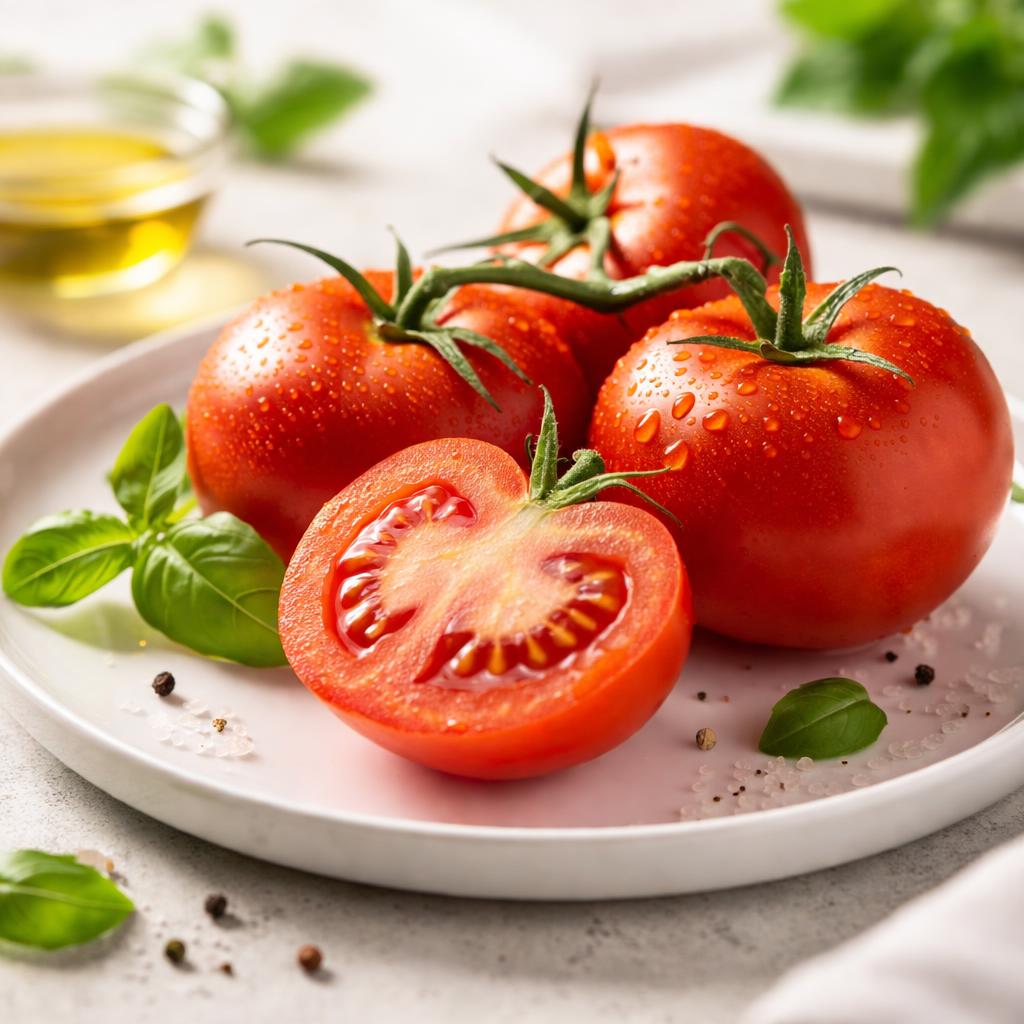
Tomate
🎯 Quick Verdict
Cherry tomatoes and regular tomatoes (tomate) are nutritionally similar but differ slightly in fiber and calorie content. Cherry tomatoes have slightly fewer calories and more fiber per serving, making them a great choice for weight-conscious eaters or digestive health. Regular tomatoes are larger and may be more versatile in recipes when bulk is needed.

Smart Nutrition Tracking with SnapCalorie

📊 Nutritional Comparison
Macronutrients
| Nutrient | Food 1 | Food 2 | Winner |
|---|---|---|---|
| Calories | 18 per 100g | 20 per 100g | ✓ |
| Protein | 0.9g per 100g | 0.9g per 100g | − |
| Carbs | 3.9g per 100g | 4g per 100g | ✓ |
| Fat | 0.2g per 100g | 0.2g per 100g | − |
| Fiber | 1.2g per 100g | 1g per 100g | ✓ |
Vitamins & Minerals
| Nutrient | Food 1 | Food 2 | Winner |
|---|---|---|---|
| Vitamin C | 23mg per 100g | 24mg per 100g | ✓ |
| Potassium | 300mg per 100g | 270mg per 100g | ✓ |
| Vitamin A | 1025 IU per 100g | 833 IU per 100g | ✓ |
🏆 Category Winners
Protein
Both contain 0.9g of protein per 100g.
Fiber
Cherry tomatoes have 20% more fiber than regular tomatoes.
Calories
Cherry tomatoes have slightly fewer calories per serving.
Vitamins
Cherry tomatoes are higher in Vitamin A and potassium, while regular tomatoes narrowly edge out in Vitamin C.
🥗 Diet Compatibility
Keto
Food 1: Compatible
Food 2: Compatible
Both are low in carbs (around 4g per 100g).
Vegan
Food 1: Compatible
Food 2: Compatible
Both foods are plant-based and suitable for vegans.
Gluten Free
Food 1: Compatible
Food 2: Compatible
Neither food contains gluten.
Paleo
Food 1: Compatible
Food 2: Compatible
Both align with paleo dietary principles as whole, natural foods.
Low Carb
Food 1: Compatible
Food 2: Compatible
Both are low in net carbs.
💪 Health Benefits Comparison
Food 1 Benefits
- Higher Vitamin A content supports eye health.
- Rich in potassium, which can help regulate blood pressure.
- Low in calories, suitable for weight loss diets.
- Contains fiber for improved digestion.
Food 2 Benefits
- Rich in Vitamin C, supporting immune function.
- Provides antioxidants like lycopene for heart health.
- Hydrating due to high water content (over 90%).
- Versatile for culinary uses like sauces and soups.
✅ The Bottom Line
Cherry tomatoes and regular tomatoes are both excellent choices for a healthy diet. Cherry tomatoes provide more fiber and fewer calories, making them ideal for snacking or weight loss. Regular tomatoes are slightly higher in Vitamin C and more practical in recipes requiring bulk quantities, such as cooking sauces or soups.
Choose Food 1 for: Snack-sized convenience, fiber-rich diets, vitamin A boost
Choose Food 2 for: Recipe versatility, immune support, antioxidant-rich diets


