Cherry Tomatoes VS Spinach
A detailed nutritional comparison
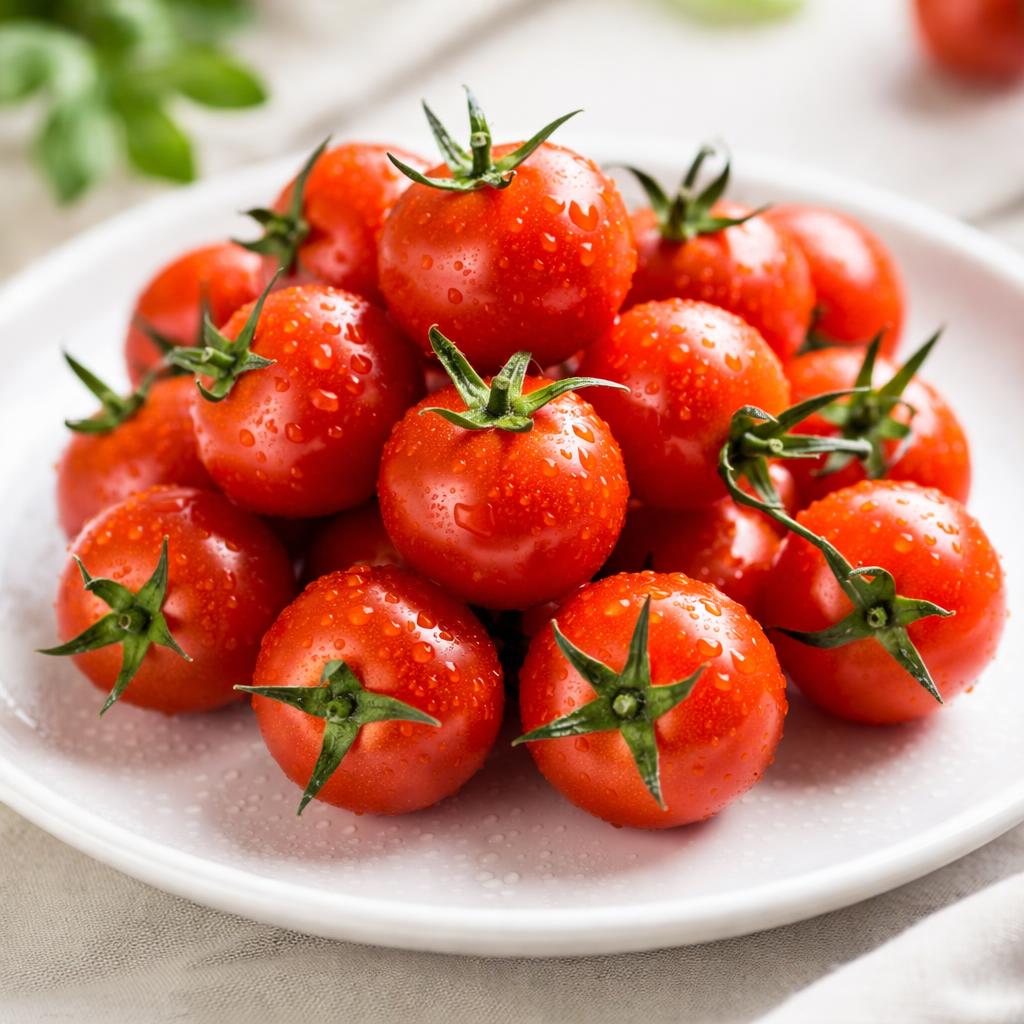
Cherry Tomatoes
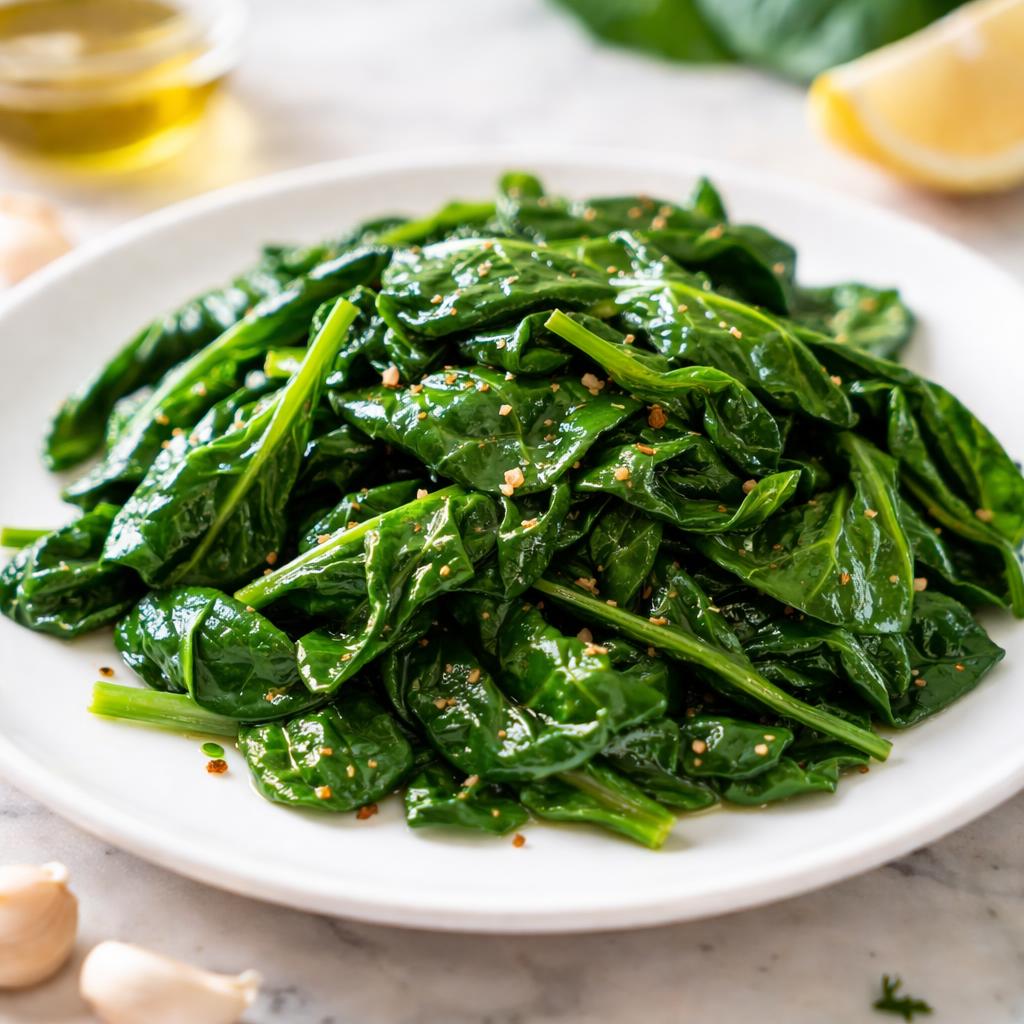
Spinach
🎯 Quick Verdict
Spinach and cherry tomatoes are both nutrient-rich, with spinach offering more protein, fiber, and micronutrients, while cherry tomatoes excel in lower calorie density and higher vitamin C content. Cherry tomatoes are ideal for snacking or salads, while spinach suits cooked dishes and smoothies for a nutrient boost.

Smart Nutrition Tracking with SnapCalorie

📊 Nutritional Comparison
Macronutrients
| Nutrient | Food 1 | Food 2 | Winner |
|---|---|---|---|
| Calories | 18 per 100g | 23 per 100g | ✓ |
| Protein | 0.9g per 100g | 2.9g per 100g | ✓ |
| Carbs | 3.9g per 100g | 3.6g per 100g | ✓ |
| Fat | 0.2g per 100g | 0.4g per 100g | ✓ |
| Fiber | 1.2g per 100g | 2.2g per 100g | ✓ |
Vitamins & Minerals
| Nutrient | Food 1 | Food 2 | Winner |
|---|---|---|---|
| Vitamin C | 23mg per 100g | 28mg per 100g | ✓ |
| Vitamin A | 1025 IU per 100g | 9377 IU per 100g | ✓ |
| Calcium | 10mg per 100g | 99mg per 100g | ✓ |
| Iron | 0.3mg per 100g | 2.7mg per 100g | ✓ |
🏆 Category Winners
Protein
Spinach has over triple the protein compared to cherry tomatoes.
Fiber
Spinach contains nearly double the dietary fiber per 100g.
Calories
Cherry tomatoes are slightly lower in calories per serving.
Vitamins
Spinach is richer in vital vitamins like A, C, and iron, making it a powerhouse for micronutrient intake.
🥗 Diet Compatibility
Keto
Food 1: Compatible
Food 2: Compatible
Both are low in carbohydrates, suitable for keto diets.
Vegan
Food 1: Compatible
Food 2: Compatible
Both are naturally vegan-friendly.
Gluten Free
Food 1: Compatible
Food 2: Compatible
Neither contains gluten.
Paleo
Food 1: Compatible
Food 2: Compatible
Both are whole, unprocessed foods suitable for paleo diets.
Low-Carb
Food 1: Compatible
Food 2: Compatible
Both have low net carbohydrate contents.
💪 Health Benefits Comparison
Food 1 Benefits
- Rich in vitamin C for immune system support
- Low calorie, suitable for weight loss diets
- Contains antioxidants that promote skin health
- Hydrating because of high water content
Food 2 Benefits
- High in iron for supporting red blood cell production
- Excellent source of vitamin A for eye health
- Rich in calcium for healthy bones
- Contains fiber for improved digestion
✅ The Bottom Line
Cherry tomatoes are better for low-calorie snacking and quick salads, while spinach is an excellent choice for nutrient density and stronger protein and fiber content. Both foods can complement one another in a balanced diet.
Choose Food 1 for: Weight loss, hydrating snack, vitamin C boost
Choose Food 2 for: Muscle building, nutrient-dense meals, high fiber needs


