Cherry Tomatoes VS Side Salad
A detailed nutritional comparison
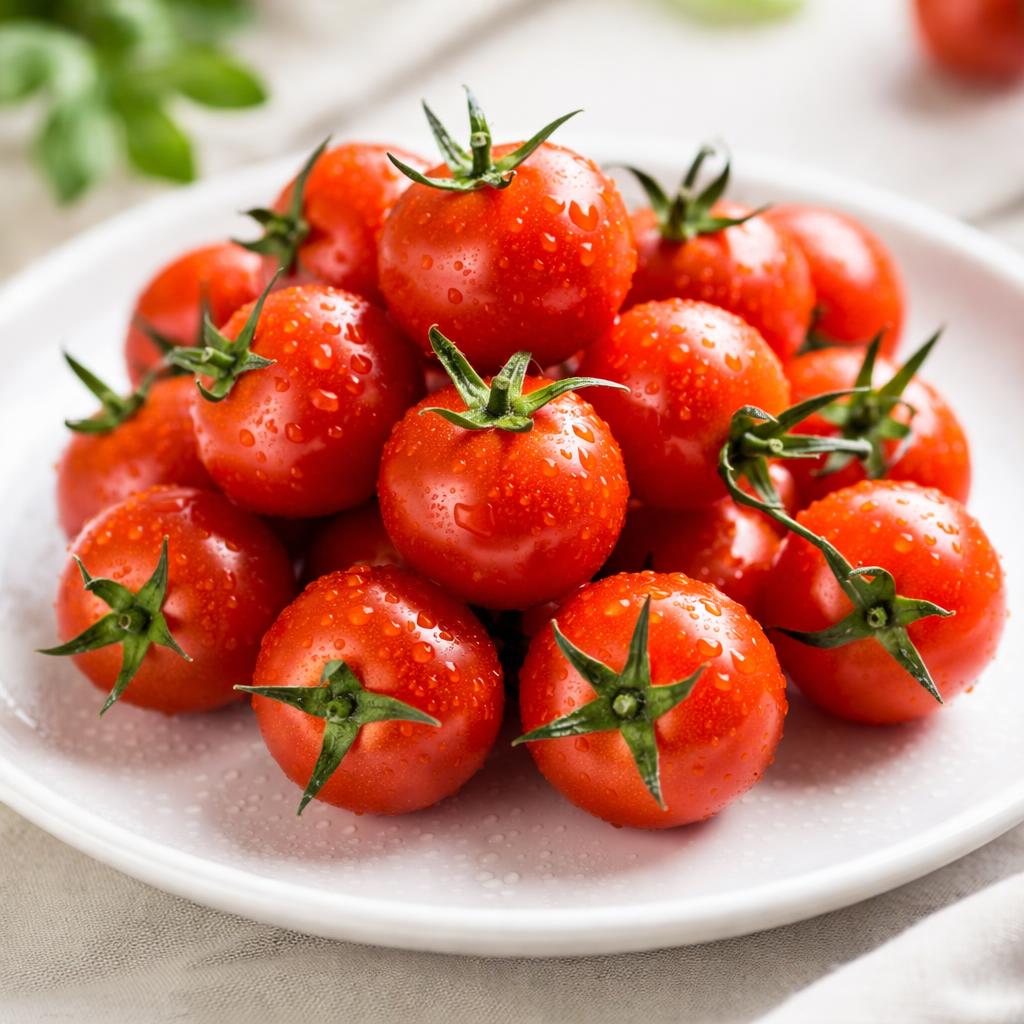
Cherry Tomatoes
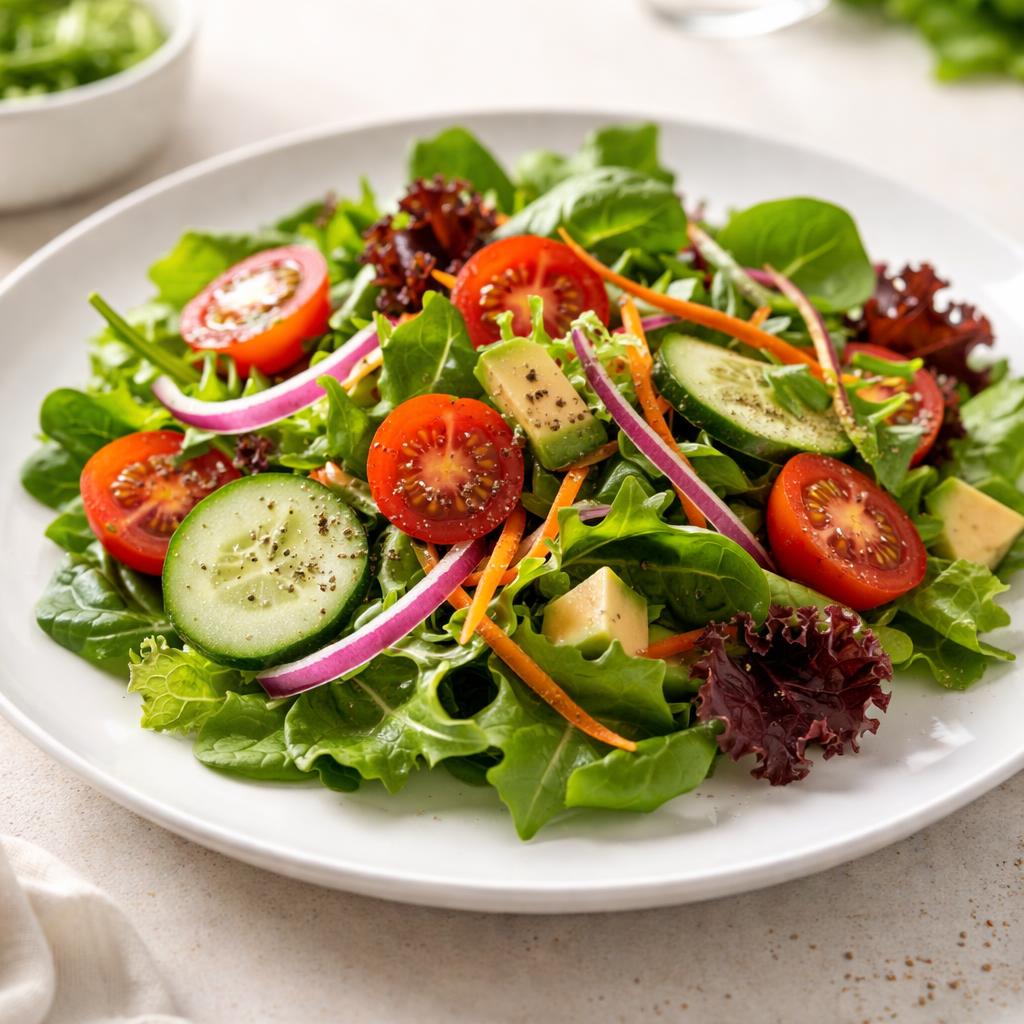
Side Salad
🎯 Quick Verdict
Both cherry tomatoes and a side salad are excellent low-calorie, nutrient-rich choices. Cherry tomatoes are slightly richer in vitamins A and C, while a side salad typically offers more fiber and protein due to added greens and ingredients like spinach, kale, or nuts. Ideal for light snacks or sides, they complement various dietary goals well.

Smart Nutrition Tracking with SnapCalorie

📊 Nutritional Comparison
Macronutrients
| Nutrient | Food 1 | Food 2 | Winner |
|---|---|---|---|
| Calories | 18 (per 100g) | 20 (per 100g) | − |
| Protein | 0.9g | 2g | − |
| Carbs | 3.9g | 3g | − |
| Fat | 0.2g | 1g | − |
| Fiber | 1.2g | 2g | − |
Vitamins & Minerals
| Nutrient | Food 1 | Food 2 | Winner |
|---|---|---|---|
| Vitamin A | 1025 IU | 500 IU | − |
| Vitamin C | 15mg | 10mg | − |
| Calcium | 10mg | 30mg | − |
| Iron | 0.3mg | 0.7mg | − |
🏆 Category Winners
Protein
Side salad has over twice the protein content per serving.
Fiber
Side salad contains nearly double the fiber content, supporting digestive health.
Calories
Both foods are extremely low in calories, making them ideal for weight management.
Vitamins
Food1 excels in vitamins A and C, while Food2 provides better calcium and iron.
🥗 Diet Compatibility
Keto
Food 1: Compatible
Food 2: Compatible
Both foods are low in carbs and fit within ketogenic macronutrient guidelines.
Vegan
Food 1: Compatible
Food 2: Compatible
Both foods are plant-based and fully vegan-friendly.
Gluten Free
Food 1: Compatible
Food 2: Compatible
Neither food contains gluten.
Paleo
Food 1: Compatible
Food 2: Compatible
Both foods are naturally occurring and fit a paleo diet.
Low Carb
Food 1: Compatible
Food 2: Compatible
Both foods contain less than 4g of carbohydrates per serving, suitable for a low-carb diet.
💪 Health Benefits Comparison
Food 1 Benefits
- Rich in vitamin C for immune health.
- High in antioxidants like lycopene for heart health.
- Low calories make it excellent for weight management.
- Provides hydration due to high water content.
Food 2 Benefits
- High in fiber for improved digestion.
- Contains iron and calcium for bone and blood health.
- Provides a variety of nutrients depending on ingredients (e.g., spinach, kale).
- Supports satiety due to added ingredients like nuts or avocado.
✅ The Bottom Line
Choose cherry tomatoes for a quick, sweet snack or an enjoyable source of vitamin C and hydration. Opt for a side salad for a nutrient-dense mini-meal that provides fiber, protein, and a range of vitamins and minerals. Both foods are excellent low-calorie additions.
Choose Food 1 for: Snacks, hydration, vitamin C boost
Choose Food 2 for: Digestive wellness, nutrient density, light meal options


