Cherry Tomatoes VS Shrimp
A detailed nutritional comparison
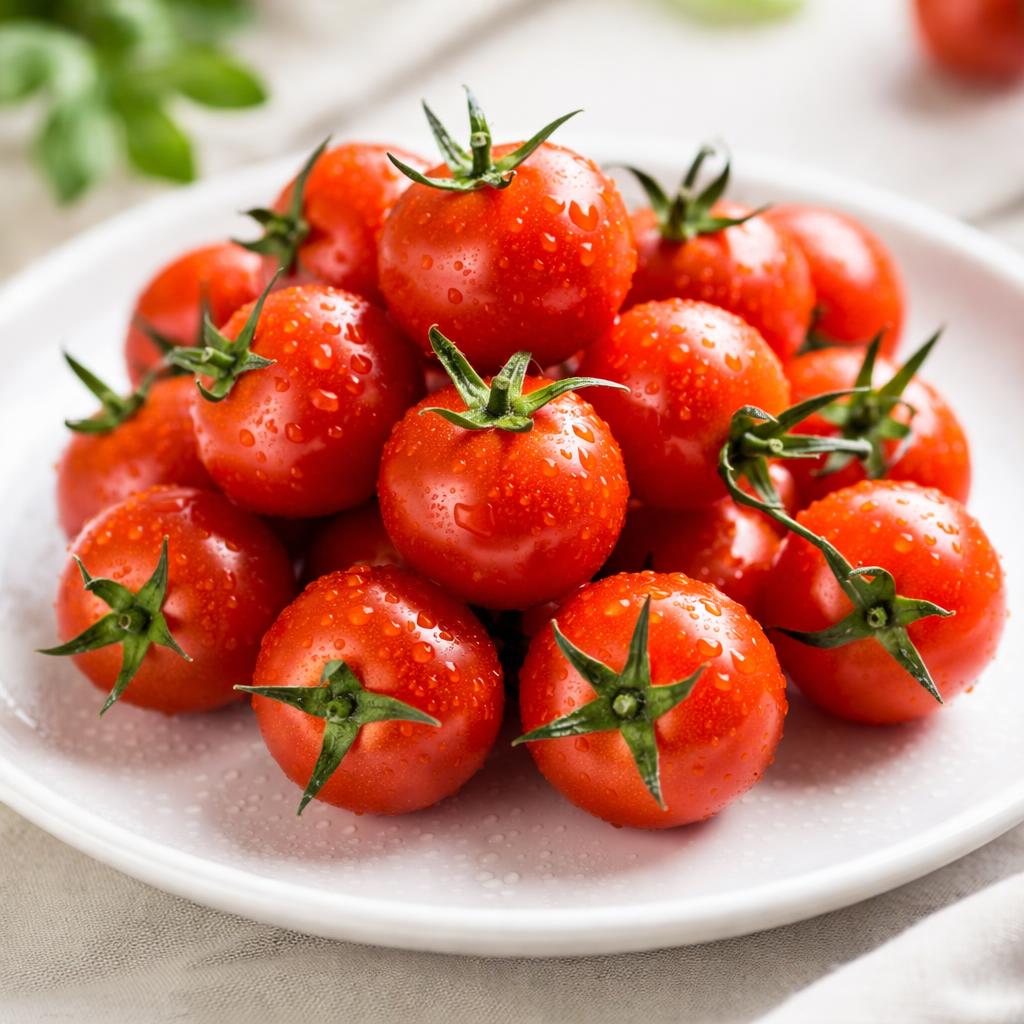
Cherry Tomatoes
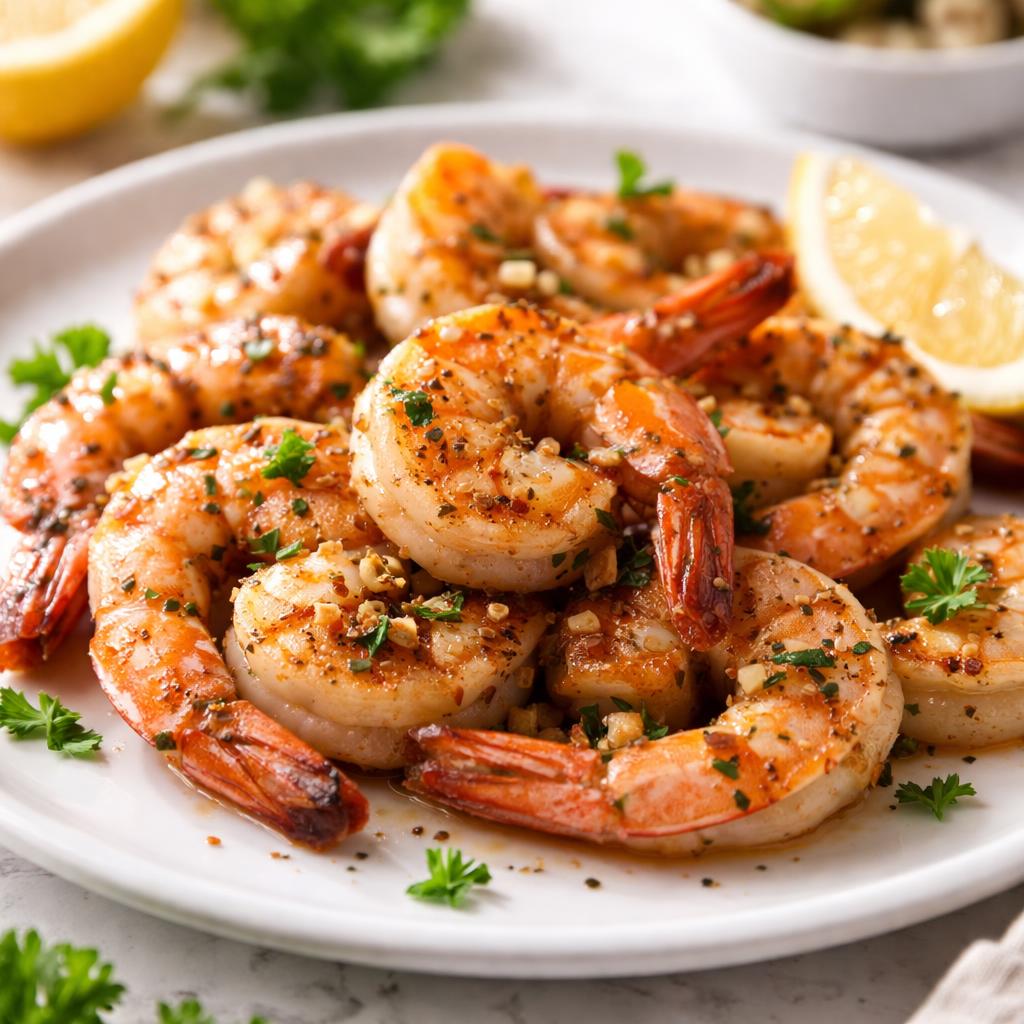
Shrimp
🎯 Quick Verdict
Shrimp is a lean source of protein, ideal for muscle building and weight maintenance, while cherry tomatoes are a low-calorie vegetable packed with fiber and vitamins that support digestion and immunity. Both are excellent for different dietary needs, making them complementary options rather than competitors.

Smart Nutrition Tracking with SnapCalorie

📊 Nutritional Comparison
Macronutrients
| Nutrient | Food 1 | Food 2 | Winner |
|---|---|---|---|
| Calories | 18 (per 100g) | 99 (per 100g) | ✓ |
| Protein | 1g (per 100g) | 24g (per 100g) | ✓ |
| Carbs | 3.9g (per 100g) | 0g (per 100g) | ✓ |
| Fat | 0.2g (per 100g) | 0.3g (per 100g) | − |
| Fiber | 1.2g (per 100g) | 0g (per 100g) | ✓ |
Vitamins & Minerals
| Nutrient | Food 1 | Food 2 | Winner |
|---|---|---|---|
| Vitamin C | 23mg (per 100g) | 0mg (per 100g) | ✓ |
| Vitamin A | 1025 IU (per 100g) | 100 IU (per 100g) | ✓ |
| Iron | 0.3mg (per 100g) | 0.4mg (per 100g) | ✓ |
| Calcium | 10mg (per 100g) | 70mg (per 100g) | ✓ |
🏆 Category Winners
Protein
Shrimp provides 24g of protein per 100g, significantly surpassing the 1g of protein in cherry tomatoes.
Fiber
Cherry tomatoes contain 1.2g of fiber per 100g, while shrimp has 0g.
Calories
Both are low in calories with cherry tomatoes at 18 per 100g and shrimp at 99 per 100g, though their use differs.
Vitamins
Cherry tomatoes deliver more Vitamin C and A, while shrimp offers higher calcium and iron.
🥗 Diet Compatibility
Keto
Food 1: Compatible
Food 2: Compatible
Both foods are low in carbs, making them keto-friendly.
Vegan
Food 1: Compatible
Food 2: Not Compatible
Cherry tomatoes are plant-based, while shrimp is animal-derived.
Gluten Free
Food 1: Compatible
Food 2: Compatible
Neither food contains gluten.
Paleo
Food 1: Compatible
Food 2: Compatible
Both align with whole-food paleo diets.
Low-Carb
Food 1: Compatible
Food 2: Compatible
Both are low-carb options with shrimp containing 0g and cherry tomatoes 3.9g per 100g.
💪 Health Benefits Comparison
Food 1 Benefits
- Rich in antioxidants like Vitamin C and lycopene for immune health
- Low-calorie and high-fiber, supporting digestion and weight management
- Contains Vitamin A for visual health
Food 2 Benefits
- Excellent source of lean protein for muscle building and repair
- Rich in selenium and iodine, supporting thyroid and antioxidant functions
- Contains B-vitamins for energy metabolism
✅ The Bottom Line
Cherry tomatoes are perfect for those seeking a nutrient-rich, low-calorie addition to meals, especially for digestion and immunity. Shrimp, meanwhile, is unmatched in protein content, making it ideal for active individuals or post-workout recovery. Both can be included in a balanced diet for complementary benefits.
Choose Food 1 for: Low-calorie diets, vegetarian dishes, antioxidant intake
Choose Food 2 for: High-protein diets, muscle recovery, energy metabolism


