Cherry Tomatoes VS Sauce
A detailed nutritional comparison
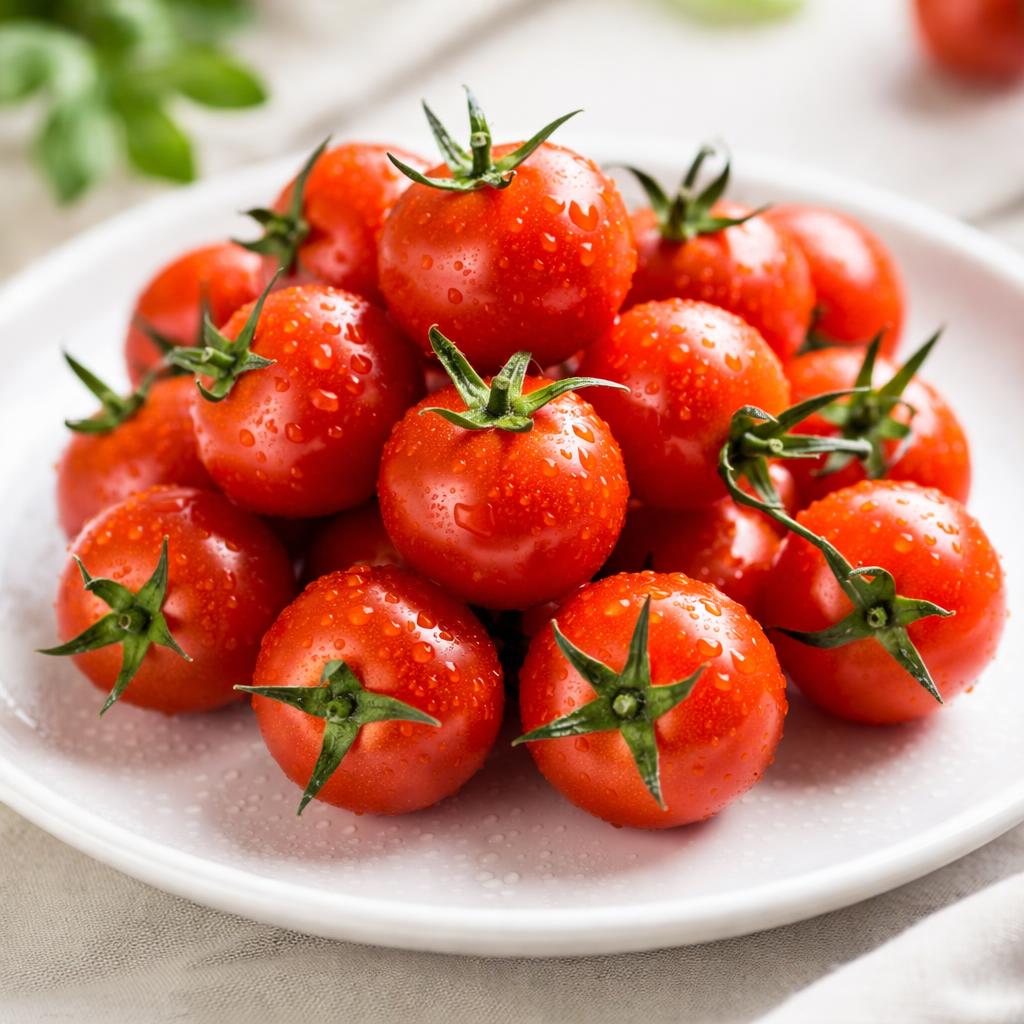
Cherry Tomatoes
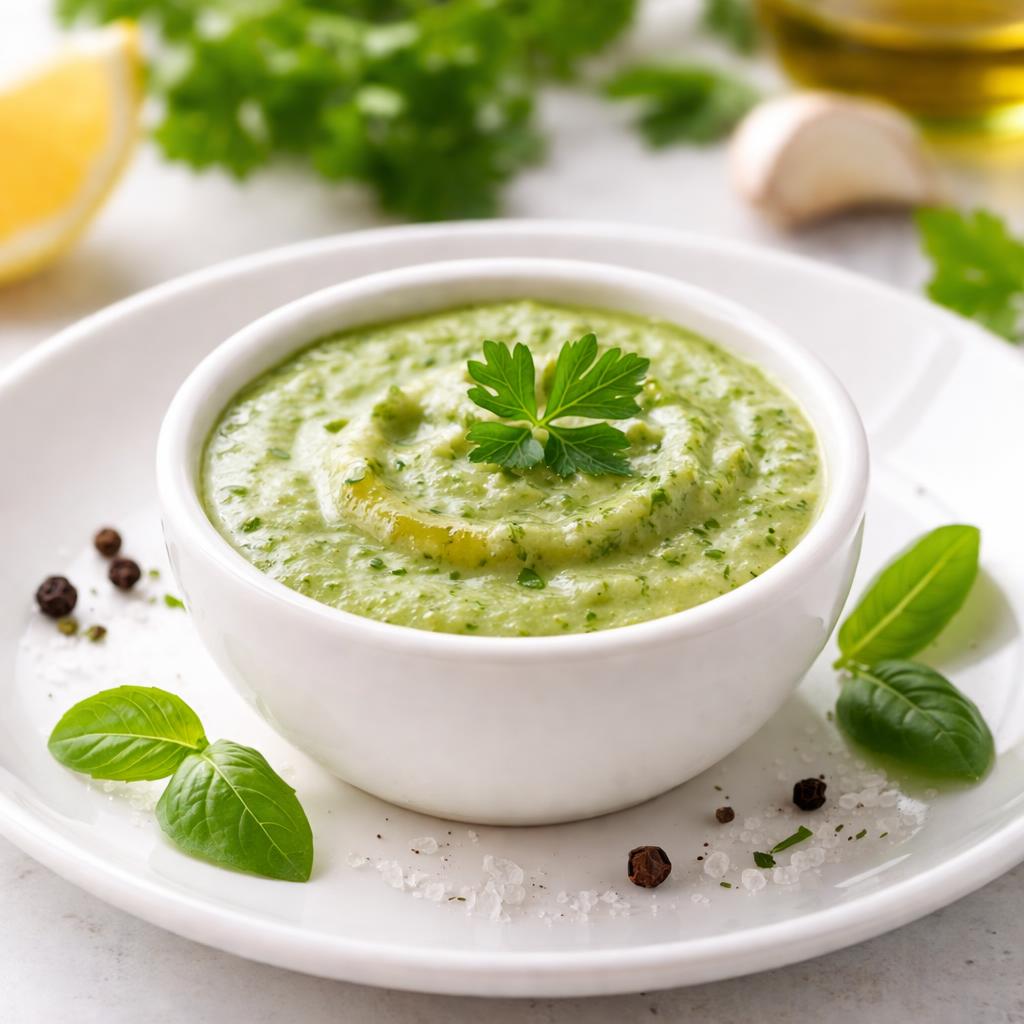
Sauce
🎯 Quick Verdict
Cherry tomatoes and tomato sauce share similar nutritional profiles, but differ significantly in their concentrations of nutrients. Cherry tomatoes are lower in calories and higher in fiber, making them great for weight loss and digestion. Tomato sauce, on the other hand, provides more protein and is a concentrated source of vitamins, making it ideal for adding flavor and nutrients to meals.

Smart Nutrition Tracking with SnapCalorie

📊 Nutritional Comparison
Macronutrients
| Nutrient | Food 1 | Food 2 | Winner |
|---|---|---|---|
| Calories | 18 per 100g | 100 per 100g | ✓ |
| Protein | 0.9g per 100g | 2.5g per 100g | ✓ |
| Carbs | 3.9g per 100g | 20g per 100g | ✓ |
| Fat | 0.2g per 100g | 4.5g per 100g | ✓ |
| Fiber | 1.2g per 100g | 1g per 100g | ✓ |
Vitamins & Minerals
| Nutrient | Food 1 | Food 2 | Winner |
|---|---|---|---|
| Vitamin C | 23mg per 100g | 15mg per 100g | ✓ |
| Vitamin A | 1025IU per 100g | 810IU per 100g | ✓ |
| Potassium | 237mg per 100g | 500mg per 100g | ✓ |
| Iron | 0.4mg per 100g | 1.5mg per 100g | ✓ |
🏆 Category Winners
Protein
Tomato sauce contains nearly 3x the protein per serving compared to cherry tomatoes.
Fiber
Cherry tomatoes provide slightly more fiber, aiding digestion.
Calories
Cherry tomatoes are much lower in calories, with one-fifth the calories of tomato sauce per serving.
Vitamins
Both foods offer complementary nutrients: cherry tomatoes excel in Vitamin C and A, while sauce provides more potassium and iron.
🥗 Diet Compatibility
Keto
Food 1: Compatible
Food 2: Compatible
Both foods are low-carb options suitable for keto diets.
Vegan
Food 1: Compatible
Food 2: Compatible
Both foods are plant-derived and vegan-friendly.
Gluten Free
Food 1: Compatible
Food 2: Compatible
Neither food contains gluten.
Paleo
Food 1: Compatible
Food 2: Conditionally Compatible
Cherry tomatoes fit perfectly, but tomato sauce may contain added sugars, which may need to be verified for paleo diets.
Low Carb
Food 1: Compatible
Food 2: Compatible
Cherry tomatoes are naturally low in carbs, while tomato sauce can be low-carb if unsweetened.
💪 Health Benefits Comparison
Food 1 Benefits
- Low calorie and nutrient-dense for weight management
- Rich in Vitamin C for immune and skin health
- Good source of antioxidants such as lycopene, supporting heart health
Food 2 Benefits
- Rich flavor and concentrated nutrients for enhancing meals
- Higher potassium content for blood pressure regulation
- Contains iron to support oxygen transport in the body
✅ The Bottom Line
Cherry tomatoes are ideal for snacking and fresh salads, offering low calories and high fiber. Tomato sauce is better for cooked dishes, adding rich flavor and concentrated nutrients. Both complement different dietary needs and taste preferences.
Choose Food 1 for: Snacking, salads, low-calorie meals
Choose Food 2 for: Sauces, cooked dishes, nutrient-rich flavor


