Cherry Tomatoes VS Radishes
A detailed nutritional comparison
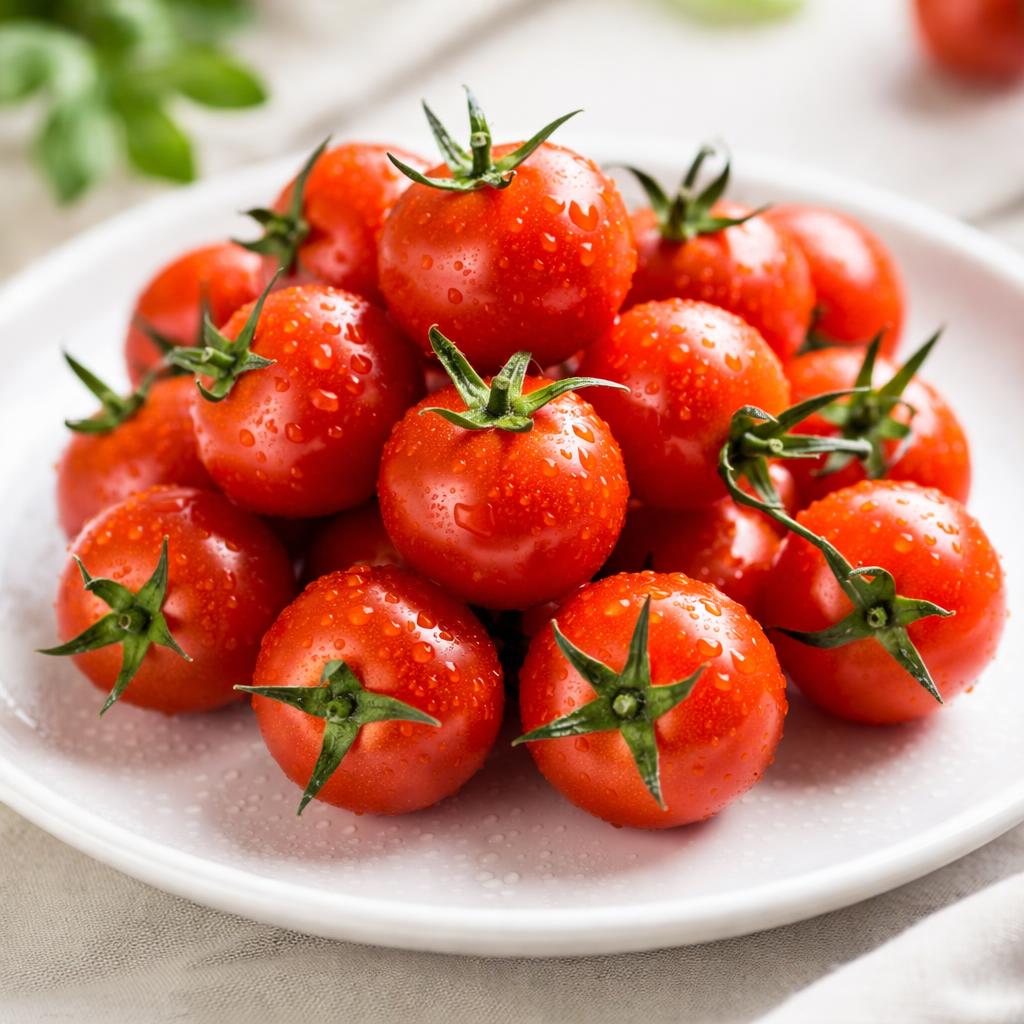
Cherry Tomatoes
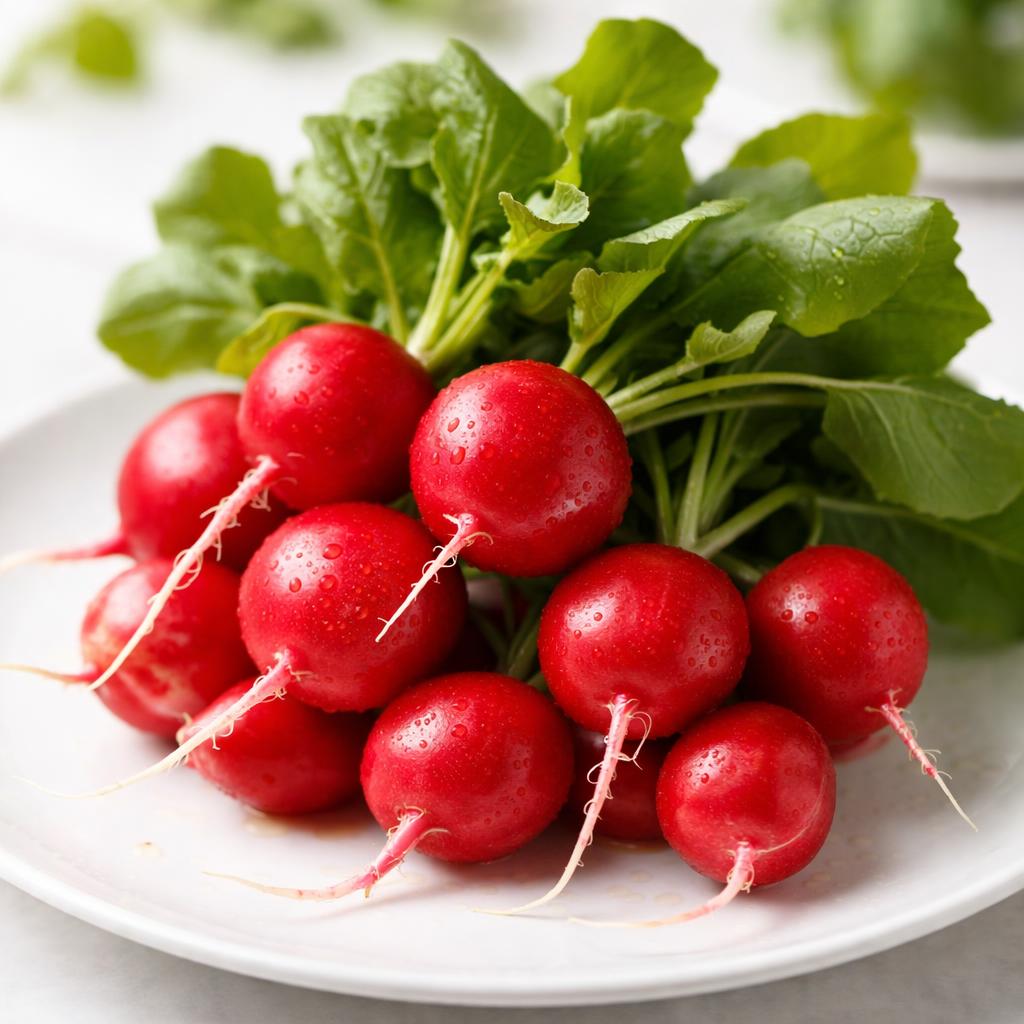
Radishes
🎯 Quick Verdict
Cherry tomatoes and radishes each have their strengths: cherry tomatoes are slightly higher in vitamins and provide a sweeter flavor, while radishes are lower in calories and richer in fiber per serving. Cherry tomatoes are more versatile for snacking and cooking, while radishes shine in salads or as a crunchy topping.

Smart Nutrition Tracking with SnapCalorie

📊 Nutritional Comparison
Macronutrients
| Nutrient | Food 1 | Food 2 | Winner |
|---|---|---|---|
| Calories | 18 | 16 | ✓ |
| Protein | 0.9g | 0.7g | − |
| Carbs | 3.9g | 3.4g | ✓ |
| Fat | 0.2g | 0.1g | ✓ |
| Fiber | 1.2g | 1.6g | ✓ |
Vitamins & Minerals
| Nutrient | Food 1 | Food 2 | Winner |
|---|---|---|---|
| Vitamin C | 15mg | 14mg | ✓ |
| Vitamin K | 9mcg | 1mcg | ✓ |
| Potassium | 290mg | 233mg | ✓ |
🏆 Category Winners
Protein
Both have similar protein levels.
Fiber
Radishes contain 33% more fiber per serving.
Calories
Radishes are slightly lower in calories per serving.
Vitamins
Cherry tomatoes have higher levels of vitamin C, vitamin K, and potassium.
🥗 Diet Compatibility
Keto
Food 1: Compatible
Food 2: Compatible
Both are low in carbs, making them keto-friendly.
Vegan
Food 1: Compatible
Food 2: Compatible
Both are plant-based foods suitable for vegan diets.
Gluten Free
Food 1: Compatible
Food 2: Compatible
Neither food contains gluten.
Paleo
Food 1: Compatible
Food 2: Compatible
Both are whole foods that align with paleo principles.
Low-Carb
Food 1: Compatible
Food 2: Compatible
Both are low in carbohydrates, ideal for low-carb diets.
💪 Health Benefits Comparison
Food 1 Benefits
- Rich in vitamin C, supporting immune health
- Provides potassium, beneficial for heart and muscle function
- Low-calorie snack option for weight management
Food 2 Benefits
- High in fiber, improving digestion
- Low calorie and nutrient-dense, supporting weight loss
- Rich in antioxidants to combat free radicals
✅ The Bottom Line
Cherry tomatoes are ideal for boosting vitamin intake and adding sweetness to meals, while radishes excel in providing fiber and crunch with fewer calories. Choose cherry tomatoes for their versatility and higher vitamin content, but opt for radishes if you're prioritizing fiber and calorie control.
Choose Food 1 for: Snacking, salads, vitamin-rich diets
Choose Food 2 for: Digestive health, calorie control, crunchy toppings


