Cherry Tomatoes VS Potatoes
A detailed nutritional comparison
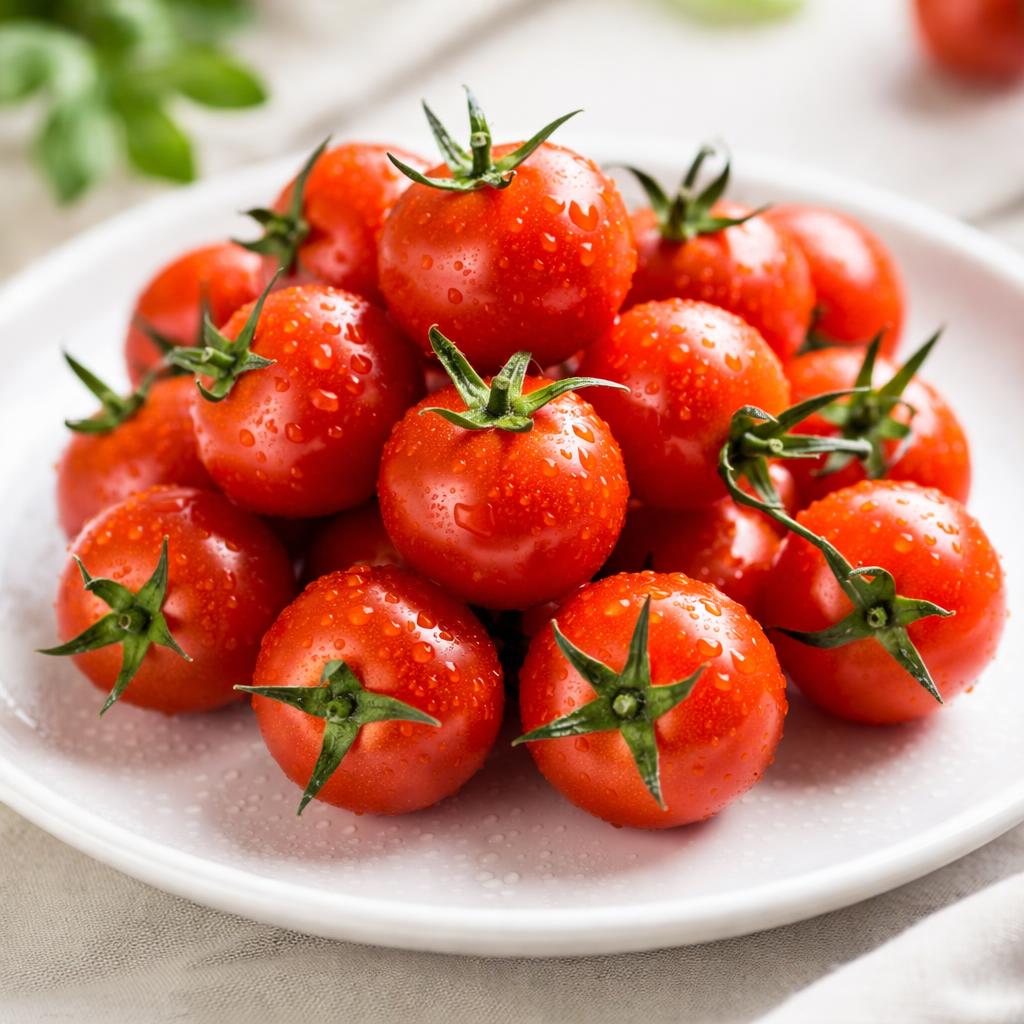
Cherry Tomatoes
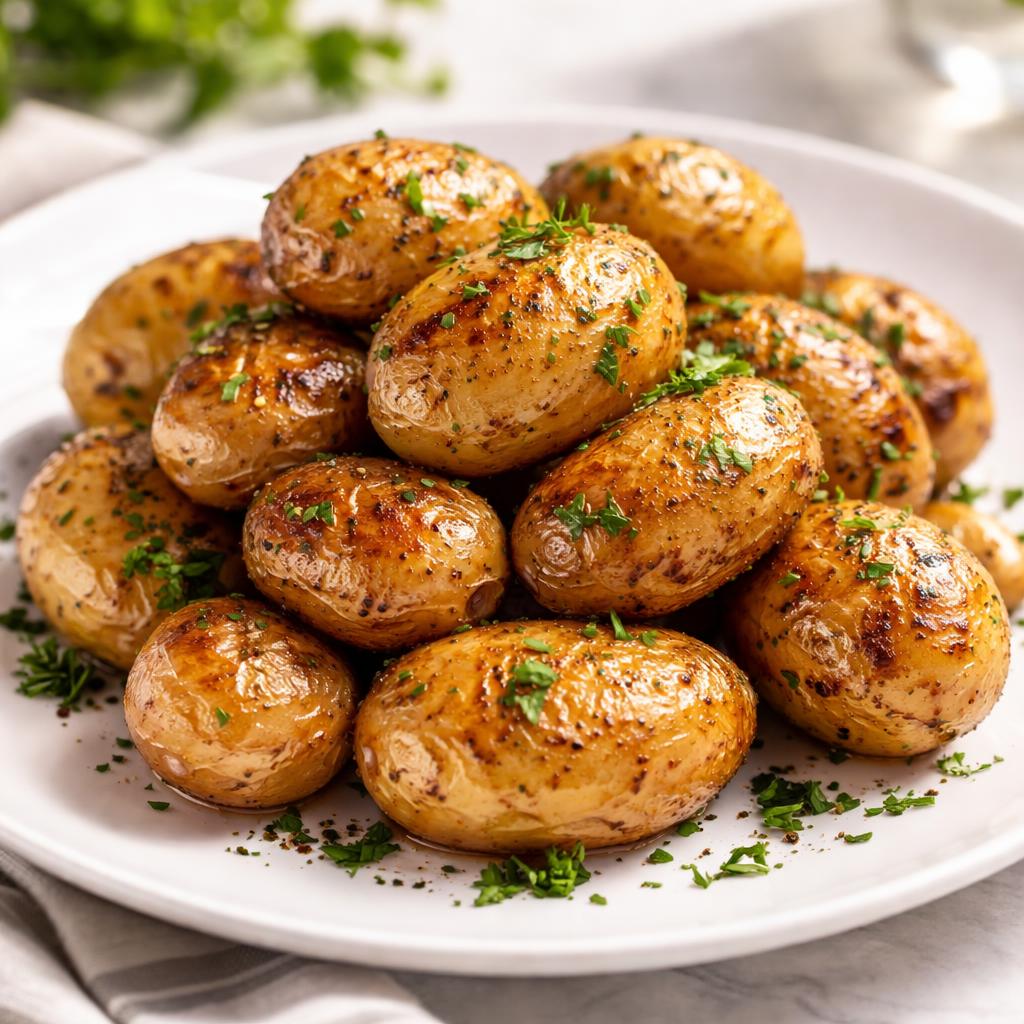
Potatoes
🎯 Quick Verdict
Cherry tomatoes are lower in calories and carbs, making them ideal for weight management and low-carb diets. Potatoes are more nutrient-dense overall, offering higher fiber and more complex carbohydrates, which are great for sustained energy. Both foods have specific benefits depending on dietary goals.

Smart Nutrition Tracking with SnapCalorie

📊 Nutritional Comparison
Macronutrients
| Nutrient | Food 1 | Food 2 | Winner |
|---|---|---|---|
| Calories | 18 (per 100g) | 77 (per 100g) | ✓ |
| Protein | 0.9g | 2g | − |
| Carbs | 3.9g | 17g | ✓ |
| Fat | 0.2g | 0.1g | ✓ |
| Fiber | 1.2g | 2.2g | ✓ |
Vitamins & Minerals
| Nutrient | Food 1 | Food 2 | Winner |
|---|---|---|---|
| Vitamin C | 13.7mg | 19.7mg | ✓ |
| Vitamin A | 42 IU | 0 IU | ✓ |
| Potassium | 237mg | 421mg | ✓ |
| Iron | 0.27mg | 0.81mg | ✓ |
🏆 Category Winners
Protein
Both foods provide relatively low protein, with potatoes slightly leading.
Fiber
Potatoes contain 83% more fiber per 100g compared to cherry tomatoes.
Calories
Cherry tomatoes have 77% fewer calories than potatoes.
Vitamins
Potatoes offer more nutrients like potassium, iron, and vitamin C overall.
🥗 Diet Compatibility
Keto
Food 1: Compatible
Food 2: Not Compatible
Cherry tomatoes are low-carb, unlike potatoes, which are high in starch.
Vegan
Food 1: Compatible
Food 2: Compatible
Both foods are plant-based.
Gluten Free
Food 1: Compatible
Food 2: Compatible
Neither food contains gluten.
Paleo
Food 1: Compatible
Food 2: Compatible
Both foods fit paleo guidelines.
Low-Carb
Food 1: Compatible
Food 2: Not Compatible
Cherry tomatoes are ideal for low-carb diets due to minimal carb content.
💪 Health Benefits Comparison
Food 1 Benefits
- Low-calorie option for weight loss
- Rich in antioxidants for reducing inflammation
- Good source of vitamin A and vitamin C
Food 2 Benefits
- High in fiber to support digestion
- Rich in potassium for heart and muscle health
- Provides sustained energy through complex carbohydrates
- Source of iron to support healthy blood levels
✅ The Bottom Line
Cherry tomatoes are a better choice for low-calorie, low-carb diets and are packed with antioxidants. Potatoes are a better option for fiber, sustaining energy, and obtaining key nutrients like potassium and iron. Both have unique strengths depending on your needs.
Choose Food 1 for: Low-calorie snacks, salads, keto diets, nutrient-rich side dishes
Choose Food 2 for: Energy-boosting meals, digestion support, hearty dishes requiring complex carbs


