Cherry Tomatoes VS Pickled Onions
A detailed nutritional comparison
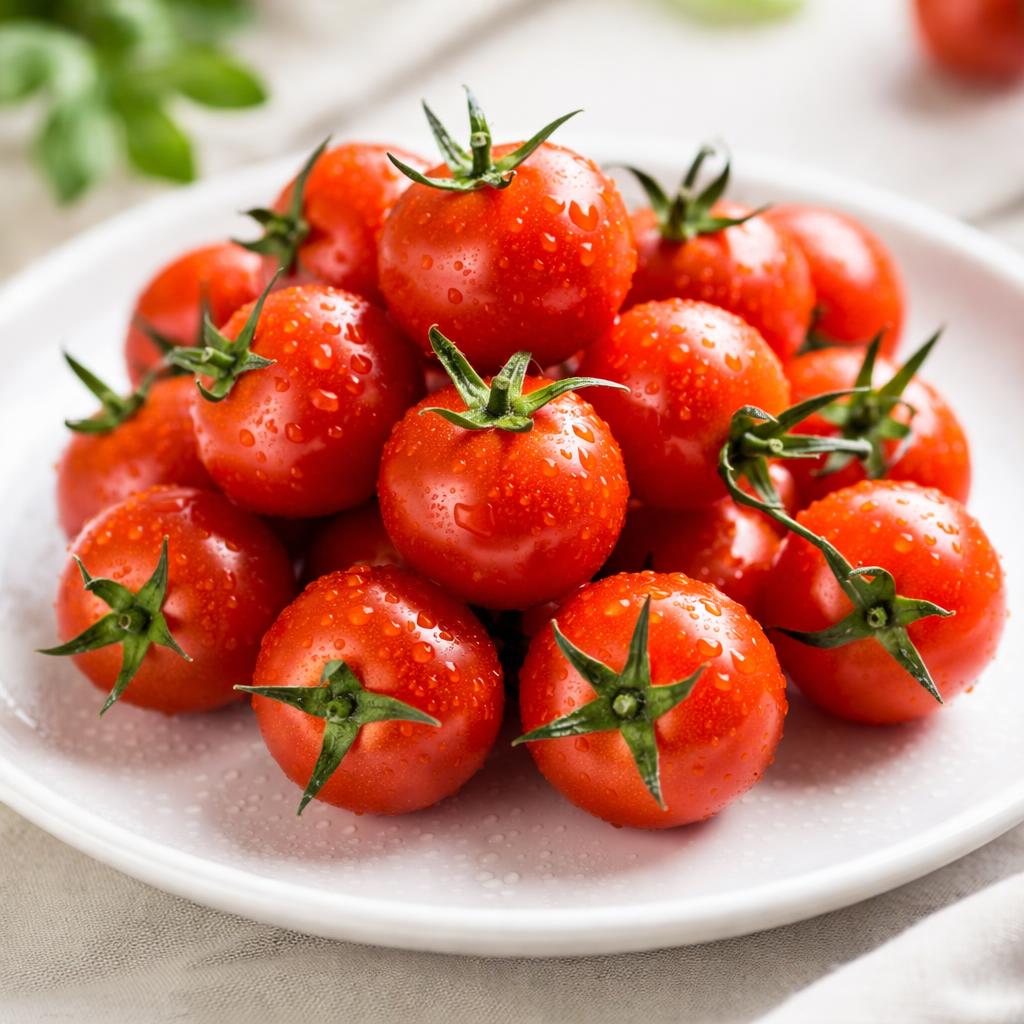
Cherry Tomatoes
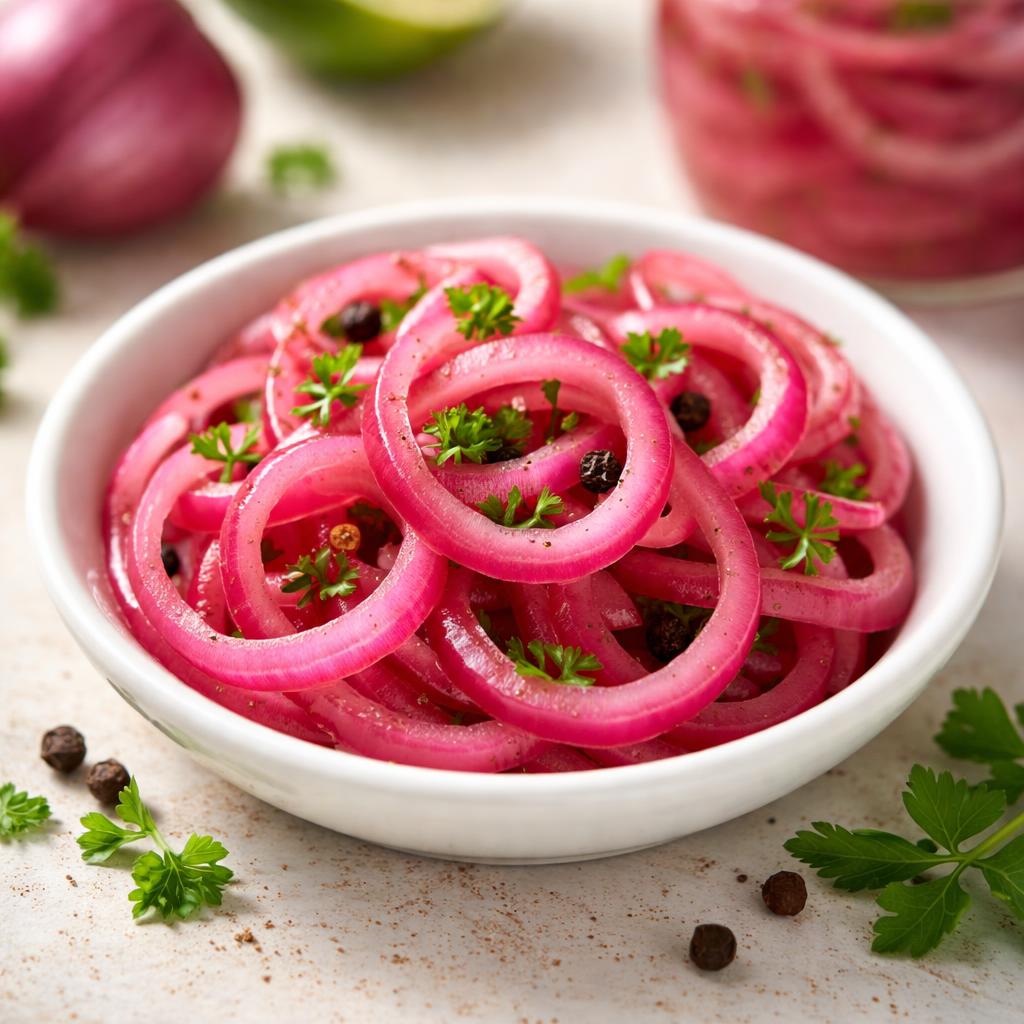
Pickled Onions
🎯 Quick Verdict
Cherry tomatoes and pickled onions are both nutrient-rich options, but cherry tomatoes win with lower calories, higher fiber, and vitamin content. Pickled onions provide antioxidants and are slightly higher in sodium due to the pickling process. Cherry tomatoes are ideal for fresh snacking or salads, while pickled onions work well as a tangy condiment.

Smart Nutrition Tracking with SnapCalorie

📊 Nutritional Comparison
Macronutrients
| Nutrient | Food 1 | Food 2 | Winner |
|---|---|---|---|
| Calories | 18 per 100g | 47 per 100g | ✓ |
| Protein | 0.9g per 100g | 0.9g per 100g | − |
| Carbs | 3.9g per 100g | 9.6g per 100g | ✓ |
| Fat | 0.2g per 100g | 0.1g per 100g | − |
| Fiber | 1.2g per 100g | 0.6g per 100g | ✓ |
Vitamins & Minerals
| Nutrient | Food 1 | Food 2 | Winner |
|---|---|---|---|
| Vitamin C | 13.7mg per 100g | 4.2mg per 100g | ✓ |
| Iron | 0.3mg per 100g | 0.2mg per 100g | ✓ |
| Potassium | 237mg per 100g | 47mg per 100g | ✓ |
🏆 Category Winners
Protein
Both foods contain approximately 0.9g of protein per 100g.
Fiber
Cherry tomatoes have double the fiber compared to pickled onions.
Calories
Cherry tomatoes have less than half the calories of pickled onions per serving.
Vitamins
Cherry tomatoes are richer in Vitamin C, potassium, and iron compared to pickled onions.
🥗 Diet Compatibility
Keto
Food 1: Compatible
Food 2: Limited Compatibility
Cherry tomatoes are low-carb, while pickled onions contain higher carbs due to added sugars in the pickling process.
Vegan
Food 1: Compatible
Food 2: Compatible
Both are plant-based foods suitable for vegan diets.
Gluten Free
Food 1: Compatible
Food 2: Compatible
Neither food contains gluten, assuming the pickling process uses no gluten-containing ingredients.
Paleo
Food 1: Compatible
Food 2: Limited Compatibility
Cherry tomatoes are paleo-friendly, but pickled onions may contain added sugars or other non-paleo ingredients.
Low-Carb
Food 1: Compatible
Food 2: Limited Compatibility
Cherry tomatoes align better with low-carb diets due to fewer carbohydrates.
💪 Health Benefits Comparison
Food 1 Benefits
- High in fiber for better digestion
- Rich in antioxidants like Vitamin C for immunity
- Supports heart health with potassium content
- Low in calories, ideal for weight management
Food 2 Benefits
- Provides antioxidants from onions for anti-inflammatory properties
- Enhances flavor with minimal fats
- Contains probiotics from the pickling process (if fermented)
- Helps in balancing blood pressure as a tangy addition to meals
✅ The Bottom Line
Cherry tomatoes are the better option for nutrient density and versatility since they are low-calorie, high-fiber, and richer in vitamins. Pickled onions offer unique flavor and antioxidants, best used in moderation due to higher sodium and sugar content.
Choose Food 1 for: Fresh snacking, salads, weight loss, low-calorie meals
Choose Food 2 for: Adding tangy flavor to dishes, garnishes, probiotic benefits (if fermented)


