Cherry Tomatoes VS Olives
A detailed nutritional comparison
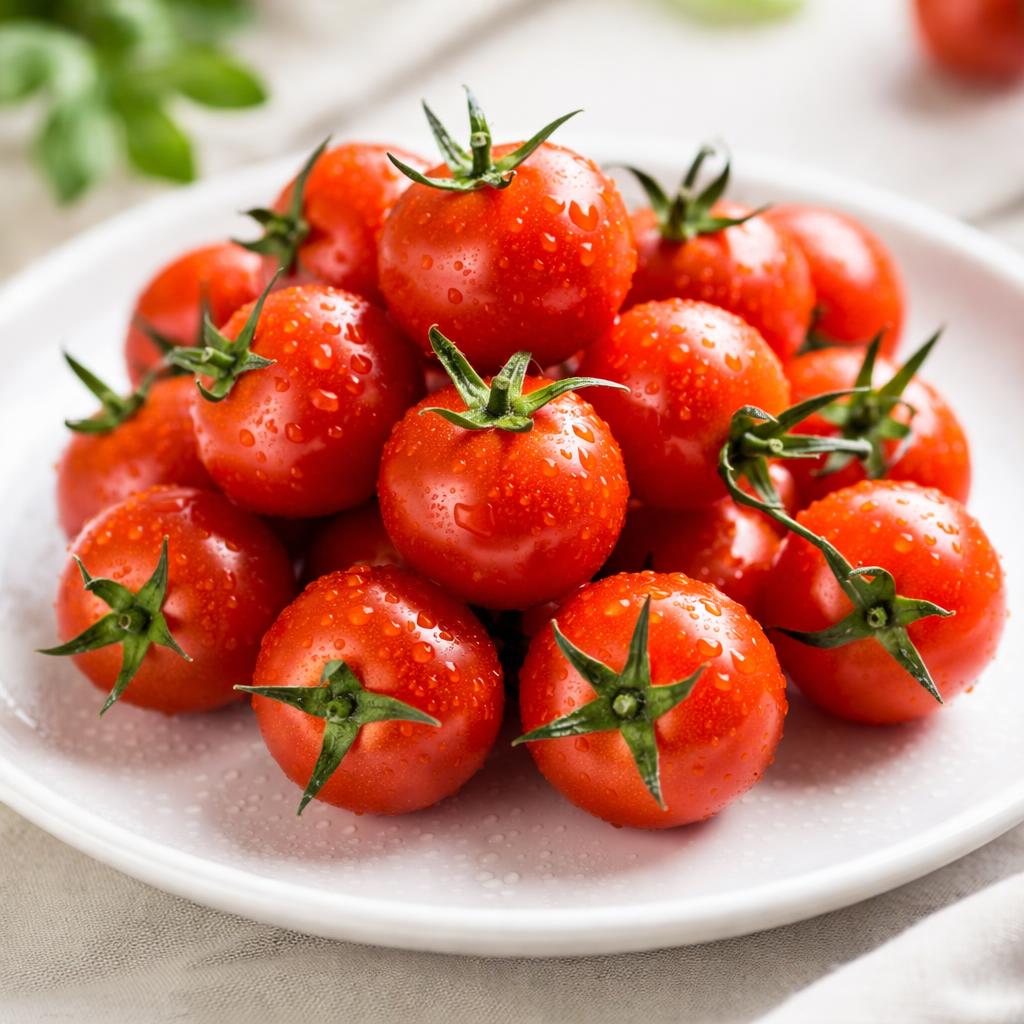
Cherry Tomatoes
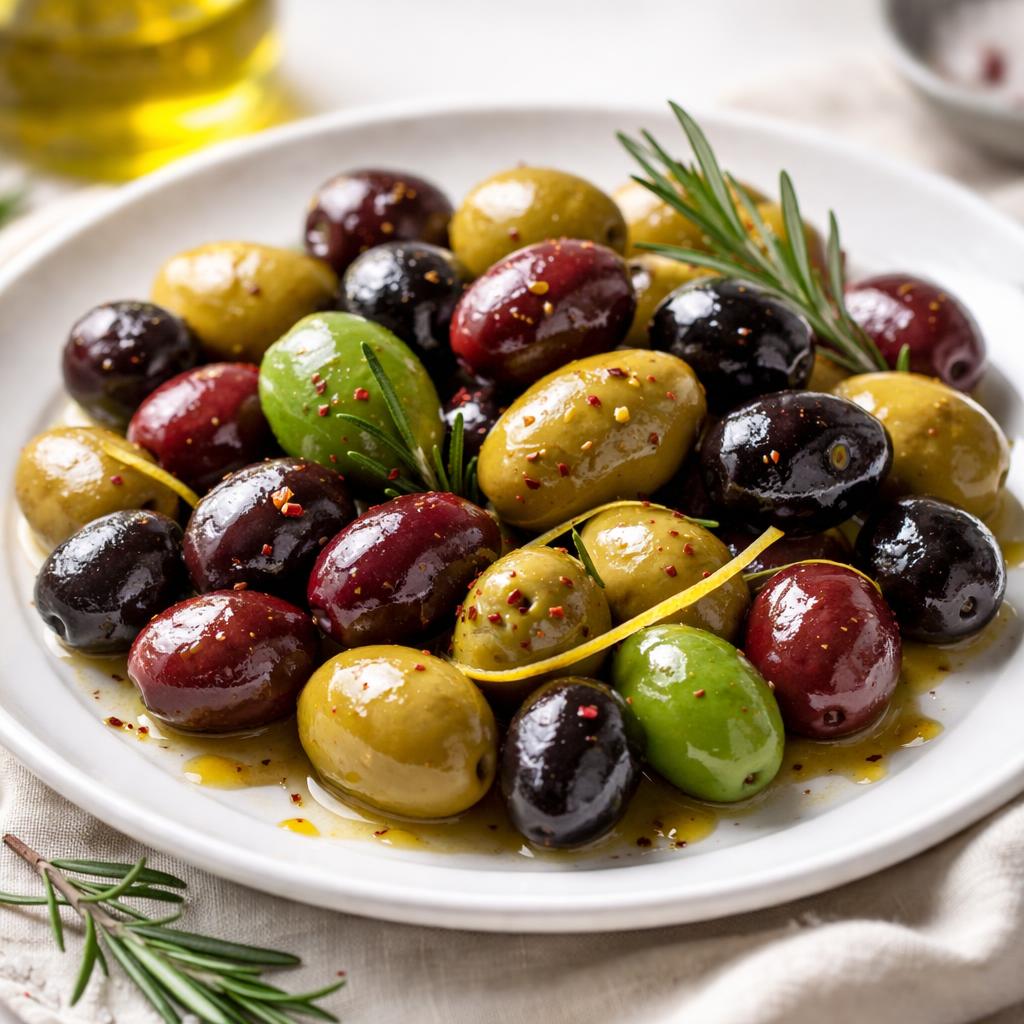
Olives
🎯 Quick Verdict
Cherry tomatoes are lower in calories and higher in fiber compared to olives, making them a better choice for weight management. Olives, however, are richer in healthy fats and provide slightly more protein, which makes them ideal for heart health and sustained energy. Both foods have unique vitamin content that can complement your diet depending on your nutritional goals.

Smart Nutrition Tracking with SnapCalorie

📊 Nutritional Comparison
Macronutrients
| Nutrient | Food 1 | Food 2 | Winner |
|---|---|---|---|
| Calories | 18 calories (per 100g) | 115 calories (per 100g) | ✓ |
| Protein | 0.9g | 0.8g | ✓ |
| Carbs | 3.9g | 6.3g | ✓ |
| Fat | 0.2g | 10.7g | ✓ |
| Fiber | 1.2g | 0.8g | ✓ |
Vitamins & Minerals
| Nutrient | Food 1 | Food 2 | Winner |
|---|---|---|---|
| Vitamin A | 1025 IU | 17 IU | ✓ |
| Vitamin C | 12.7mg | 0mg | ✓ |
| Vitamin K | 7.9mcg | 1.4mcg | ✓ |
| Sodium | 5mg | 735mg | ✓ |
🏆 Category Winners
Protein
Cherry tomatoes have slightly more protein per serving than olives.
Fiber
Cherry tomatoes provide 50% more fiber per serving.
Calories
Cherry tomatoes have 84% fewer calories compared to olives.
Vitamins
Cherry tomatoes are significantly richer in vitamins A and C.
🥗 Diet Compatibility
Keto
Food 1: Not Compatible
Food 2: Compatible
Olives are high-fat and low-carb, making them suitable for keto diets, whereas cherry tomatoes are slightly higher in carbs.
Vegan
Food 1: Compatible
Food 2: Compatible
Both foods are plant-based and suitable for vegan diets.
Gluten Free
Food 1: Compatible
Food 2: Compatible
Neither food contains gluten.
Paleo
Food 1: Compatible
Food 2: Compatible
Both foods are minimally processed and fit within paleo guidelines.
Low-Carb
Food 1: Not Compatible
Food 2: Compatible
Olives are much lower in carbohydrates compared to cherry tomatoes.
💪 Health Benefits Comparison
Food 1 Benefits
- Low in calories, ideal for weight management
- High in vitamin C, supporting immune health
- Rich in antioxidants for cellular protection
Food 2 Benefits
- High in monounsaturated fats, promoting heart health
- Rich in sodium, useful for electrolyte balance
- Provides antioxidants that support anti-inflammatory benefits
✅ The Bottom Line
Choose cherry tomatoes for weight management, fiber, and vitamin-rich snacking; they are perfect for salads or as a light side dish. Opt for olives if you need healthy fats for sustained energy or to support heart health; they work well in Mediterranean dishes or as a flavorful snack.
Choose Food 1 for: Weight loss, vitamin-rich snacking, light meals
Choose Food 2 for: Heart health, keto diets, savory dishes


