Cherry Tomatoes VS Olive Oil
A detailed nutritional comparison
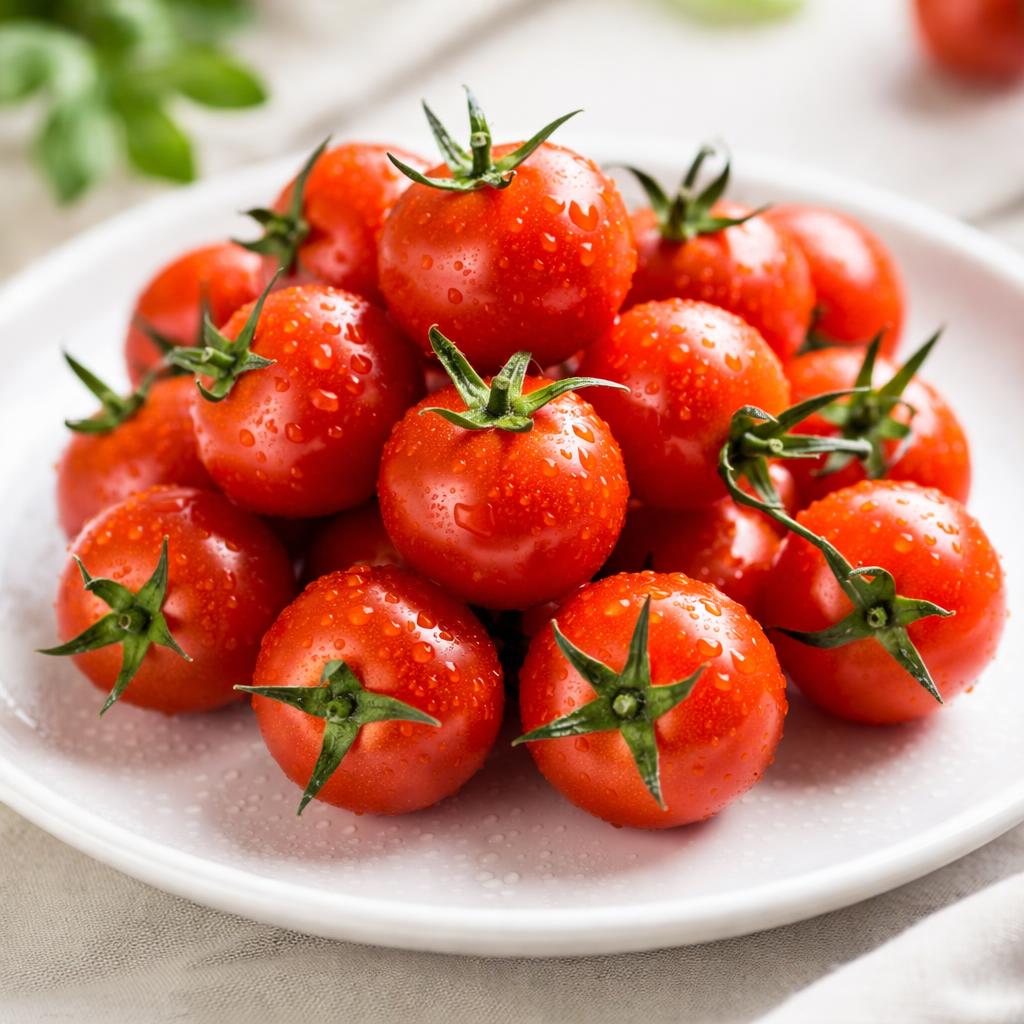
Cherry Tomatoes
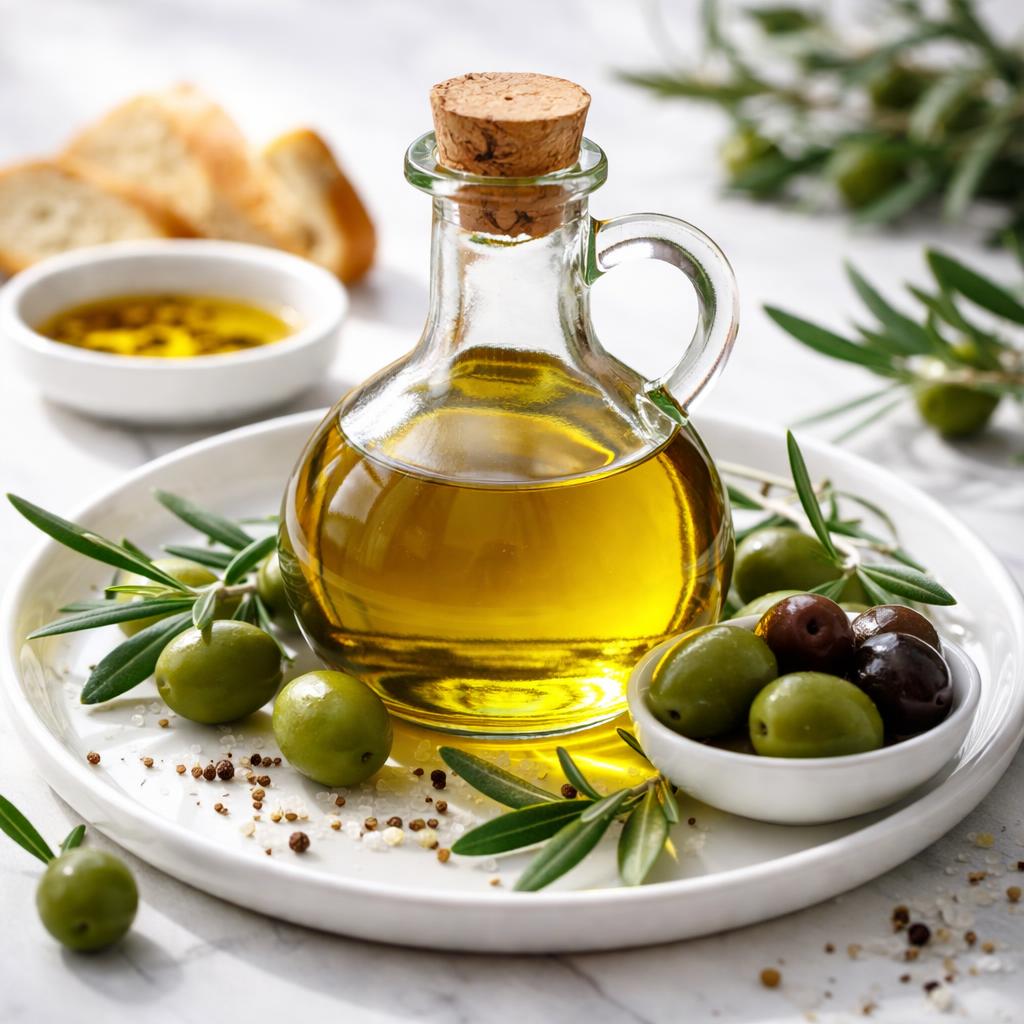
Olive Oil
🎯 Quick Verdict
Cherry tomatoes and olive oil are nutritionally diverse. Cherry tomatoes are low-calorie, nutrient-dense, and high in fiber and vitamin C, while olive oil is calorie-rich and packed with heart-healthy fats and antioxidants. Cherry tomatoes are ideal for weight management and hydration, whereas olive oil excels as a healthy fat source for energy and heart health on higher-fat diets.

Smart Nutrition Tracking with SnapCalorie

📊 Nutritional Comparison
Macronutrients
| Nutrient | Food 1 | Food 2 | Winner |
|---|---|---|---|
| Calories | 18 (per 100g) | 884 (per 100g) | ✓ |
| Protein | 0.9g (per 100g) | 0g | ✓ |
| Carbs | 3.9g (per 100g) | 0g | ✓ |
| Fat | 0.2g (per 100g) | 100g | ✓ |
| Fiber | 1.2g (per 100g) | 0g | ✓ |
Vitamins & Minerals
| Nutrient | Food 1 | Food 2 | Winner |
|---|---|---|---|
| Vitamin C | 25mg (per 100g) | 0mg | ✓ |
| Vitamin E | 1.1mg (per 100g) | 14.4mg (per 100g) | ✓ |
| Vitamin K | 9.7mcg (per 100g) | 60.2mcg (per 100g) | ✓ |
🏆 Category Winners
Protein
Cherry tomatoes contain 0.9g of protein per 100g, while olive oil has none.
Fiber
Cherry tomatoes have 1.2g of fiber per 100g, whereas olive oil has no fiber.
Calories
Cherry tomatoes are low in calories (18 calories per 100g) compared to olive oil (884 calories per 100g).
Vitamins
Cherry tomatoes are rich in vitamin C, while olive oil is strong in vitamin E and vitamin K.
🥗 Diet Compatibility
Keto
Food 1: Compatible
Food 2: Compatible
Cherry tomatoes are low-carb, and olive oil is a key fat source for a keto diet.
Vegan
Food 1: Compatible
Food 2: Compatible
Both foods are plant-based and align with vegan diets.
Gluten Free
Food 1: Compatible
Food 2: Compatible
Neither cherry tomatoes nor olive oil contains gluten.
Paleo
Food 1: Compatible
Food 2: Compatible
Both cherry tomatoes and olive oil are paleo-friendly whole foods.
Low-Carb
Food 1: Compatible
Food 2: Compatible
Cherry tomatoes are naturally low in carbohydrates, and olive oil contains no carbs.
💪 Health Benefits Comparison
Food 1 Benefits
- Rich in vitamin C for immune function and skin health
- Low in calories, aiding weight management
- Good fiber content supports digestion
- Provides antioxidants for overall health protection
Food 2 Benefits
- High in monounsaturated fats for heart health
- Rich in vitamin E for skin and antioxidant protection
- Contains anti-inflammatory compounds
- Supports brain health and cognitive function
✅ The Bottom Line
Cherry tomatoes and olive oil are complementary foods with different strengths. Choose cherry tomatoes for hydration, weight management, and an affordable nutrient boost, while olive oil is ideal for heart health, energy, and enriching meals with healthy fats. Combine both for a balanced approach to nutrition.
Choose Food 1 for: Low-calorie diets, weight loss, high-fiber needs, immune support
Choose Food 2 for: Keto and high-fat diets, heart health, antioxidant content, enhancing meals


