Cherry Tomatoes VS Mini Cucumber
A detailed nutritional comparison
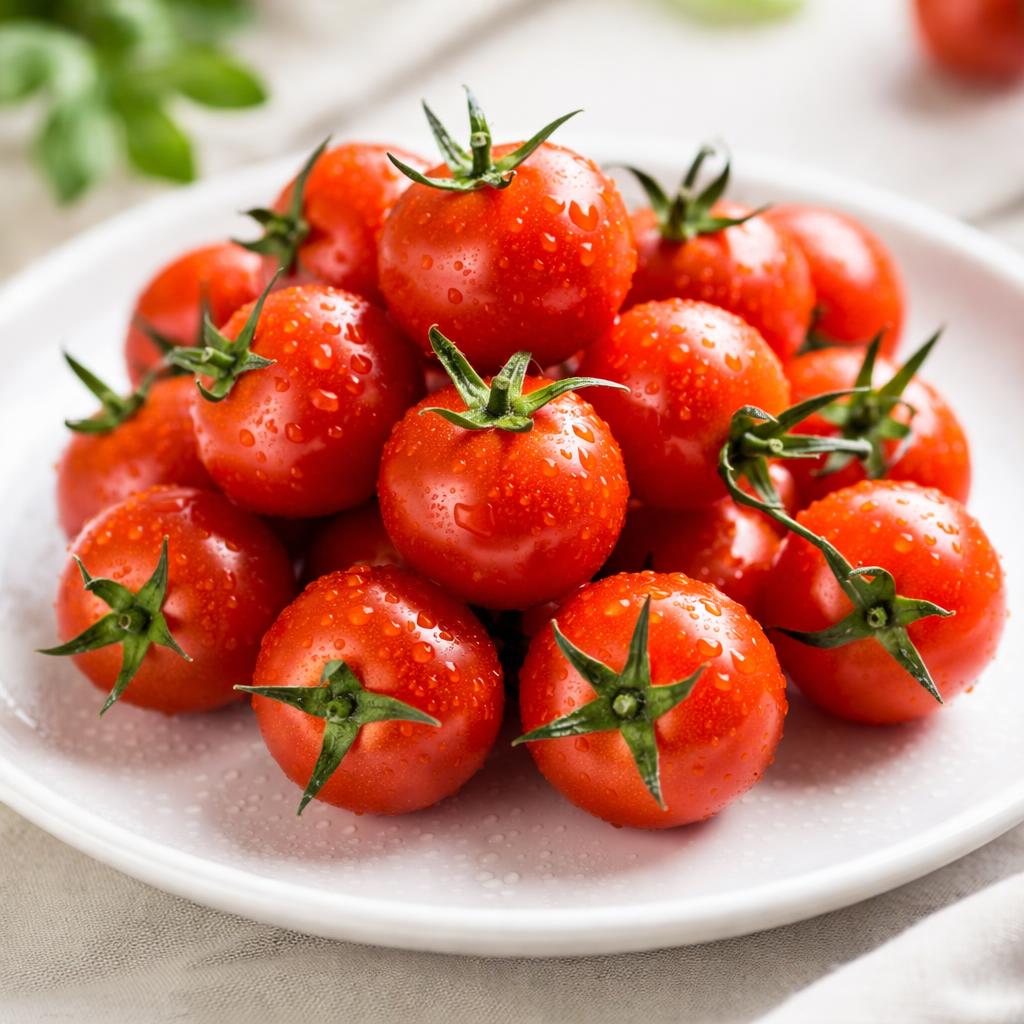
Cherry Tomatoes
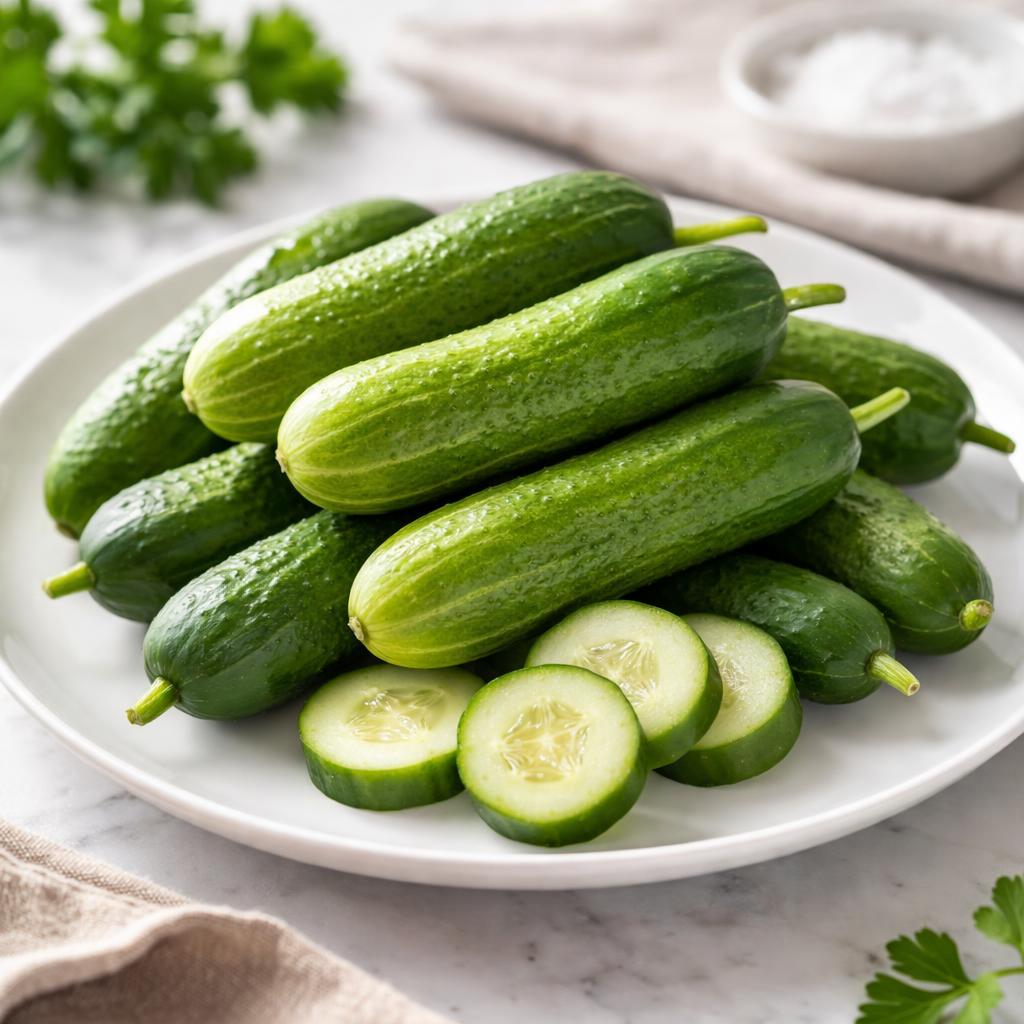
Mini Cucumber
🎯 Quick Verdict
Cherry tomatoes and mini cucumbers are both highly nutritious, low-calorie options perfect for snacking or adding to meals. Cherry tomatoes are higher in fiber and protein, making them slightly better for digestion and muscle maintenance. On the other hand, mini cucumbers have fewer calories and contribute more to hydration due to their high water content.

Smart Nutrition Tracking with SnapCalorie

📊 Nutritional Comparison
Macronutrients
| Nutrient | Food 1 | Food 2 | Winner |
|---|---|---|---|
| Calories | 18 (per 100g) | 15 (per 100g) | ✓ |
| Protein | 0.9g | 0.6g | ✓ |
| Carbs | 3.9g | 3.6g | ✓ |
| Fat | 0.2g | 0.1g | ✓ |
| Fiber | 1.2g | 0.7g | ✓ |
Vitamins & Minerals
| Nutrient | Food 1 | Food 2 | Winner |
|---|---|---|---|
| Vitamin C | 12.7mg | 10.2mg | ✓ |
| Vitamin A | 833 IU | 105 IU | ✓ |
| Potassium | 237mg | 193mg | ✓ |
🏆 Category Winners
Protein
Cherry tomatoes have 50% more protein per 100g than mini cucumbers.
Fiber
Cherry tomatoes contain nearly double the fiber content of mini cucumbers.
Calories
Mini cucumbers have slightly fewer calories per serving.
Vitamins
Cherry tomatoes are richer in Vitamin C, Vitamin A, and potassium compared to mini cucumbers.
🥗 Diet Compatibility
Keto
Food 1: Compatible
Food 2: Compatible
Both are low-carb and keto-friendly.
Vegan
Food 1: Compatible
Food 2: Compatible
Both are plant-based options.
Gluten Free
Food 1: Compatible
Food 2: Compatible
Neither contains gluten.
Paleo
Food 1: Compatible
Food 2: Compatible
Both align with paleo dietary principles.
Low-Carb
Food 1: Compatible
Food 2: Compatible
Both foods are naturally low in carbohydrates.
💪 Health Benefits Comparison
Food 1 Benefits
- Rich in antioxidants like lycopene for reducing inflammation
- Provides Vitamin C for immune support
- Contains fiber to support digestion
- Good source of potassium for heart health
Food 2 Benefits
- High water content aids hydration
- Low calorie, making it ideal for weight management
- Source of Vitamin C to boost immunity
- Contains small amounts of magnesium which benefit muscle function
✅ The Bottom Line
Cherry tomatoes and mini cucumbers are versatile, healthy choices that work for most diets. Cherry tomatoes are better if you’re looking for more fiber, protein, and vitamins, while mini cucumbers are ideal for hydration and ultra-low calorie snacking.
Choose Food 1 for: Higher nutrient density, digestive health, immunity boost
Choose Food 2 for: Hydration, weight management, refreshing snacks


