Cherry Tomatoes VS Jelly
A detailed nutritional comparison
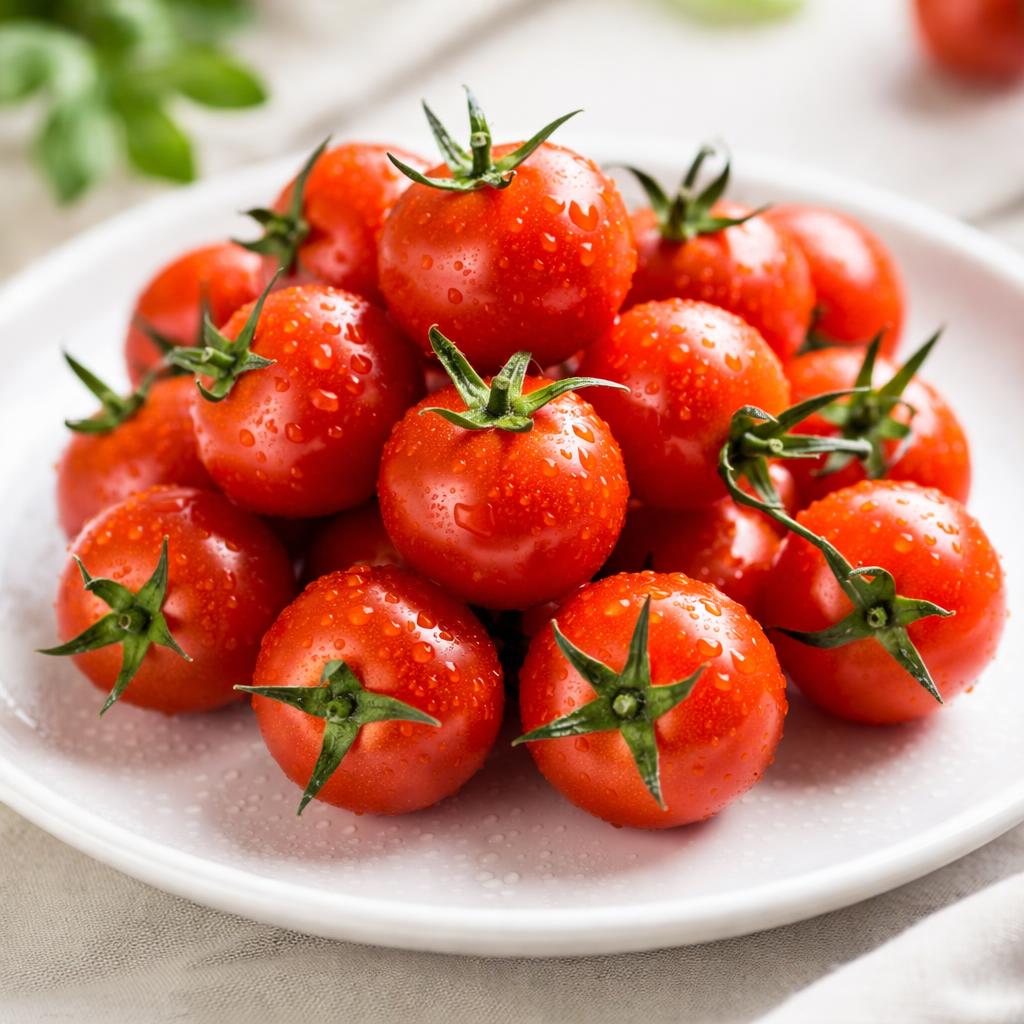
Cherry Tomatoes
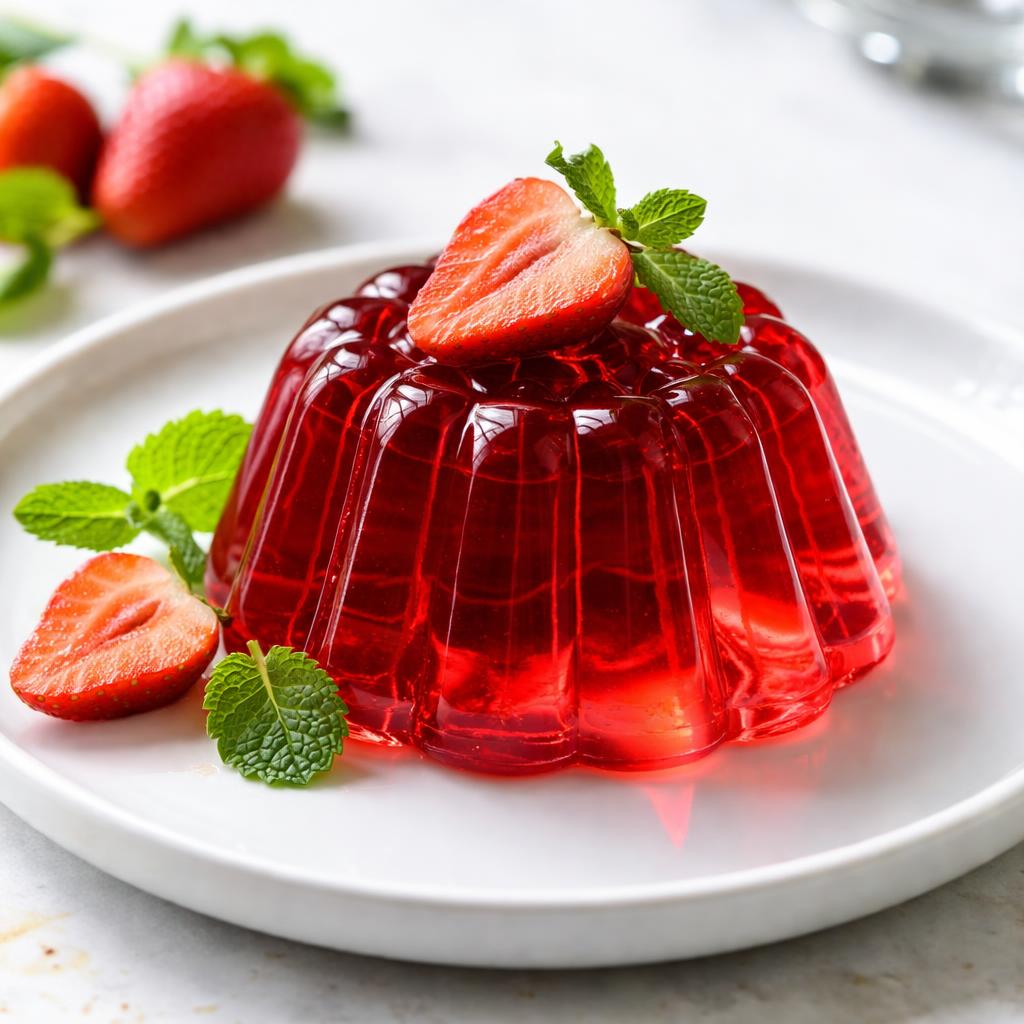
Jelly
🎯 Quick Verdict
Cherry tomatoes significantly outperform jelly in nutrition, offering more protein, fiber, and fewer calories. Jelly, while high in sugar and calories, can provide quick energy for endurance activities. Cherry tomatoes are best for overall health, weight management, and nutrient density, while jelly is suited for a quick energy boost or as a treat in moderation.

Smart Nutrition Tracking with SnapCalorie

📊 Nutritional Comparison
Macronutrients
| Nutrient | Food 1 | Food 2 | Winner |
|---|---|---|---|
| Calories | 18 | 100 | ✓ |
| Protein | 0.9g | 0g | ✓ |
| Carbs | 3.9g | 26g | ✓ |
| Fat | 0.2g | 0g | − |
| Fiber | 1.2g | 0g | ✓ |
Vitamins & Minerals
| Nutrient | Food 1 | Food 2 | Winner |
|---|---|---|---|
| Vitamin C | 12mg (14% DV) | 0mg | ✓ |
| Vitamin A | 1025IU (20% DV) | 0IU | ✓ |
| Iron | 0.3mg | 0mg | ✓ |
| Calcium | 5mg | 1mg | ✓ |
🏆 Category Winners
Protein
Cherry tomatoes contain protein, whereas jelly does not.
Fiber
Cherry tomatoes provide dietary fiber (1.2g per serving), while jelly offers none.
Calories
Cherry tomatoes are extremely low-calorie (18 calories/100g) compared to jelly (100 calories/30g).
🥗 Diet Compatibility
Keto
Food 1: Compatible
Food 2: Not Compatible
Cherry tomatoes are low-carb, while jelly is high in sugar.
Vegan
Food 1: Compatible
Food 2: Compatible
Both are plant-based and vegan-friendly.
Gluten Free
Food 1: Compatible
Food 2: Compatible
Neither contains gluten.
Paleo
Food 1: Compatible
Food 2: Not Compatible
Cherry tomatoes are whole foods, while jelly typically contains refined sugar.
Low-Carb
Food 1: Compatible
Food 2: Not Compatible
Cherry tomatoes are low in carbs (3.9g/100g) compared to jelly (26g sugar per serving).
💪 Health Benefits Comparison
Food 1 Benefits
- Rich in antioxidants like lycopene for cellular health and anti-inflammatory benefits
- Good source of vitamin C for immune support
- Low in calories, supporting weight management
- Provides dietary fiber for digestive health
Food 2 Benefits
- Quick source of readily available energy during high-intensity activities
- Contains flavor-enhancing properties, good for occasional treats
- May boost blood sugar levels during hypoglycemia episodes
- Paired with peanut butter, it can provide quick energy in a snack form
✅ The Bottom Line
Cherry tomatoes are the clear winner for nutrient density, weight management, and general health. They are versatile, low-calorie, and packed with vitamins. Jelly, while enjoyable in moderation, is better suited for quick energy or a sweet treat on occasion. If choosing between the two for health, cherry tomatoes are superior.
Choose Food 1 for: Weight loss, high-nutrient diets, snacks, salads
Choose Food 2 for: Quick energy, desserts, or endurance activities


