Cherry Tomatoes VS Grilled Pork
A detailed nutritional comparison
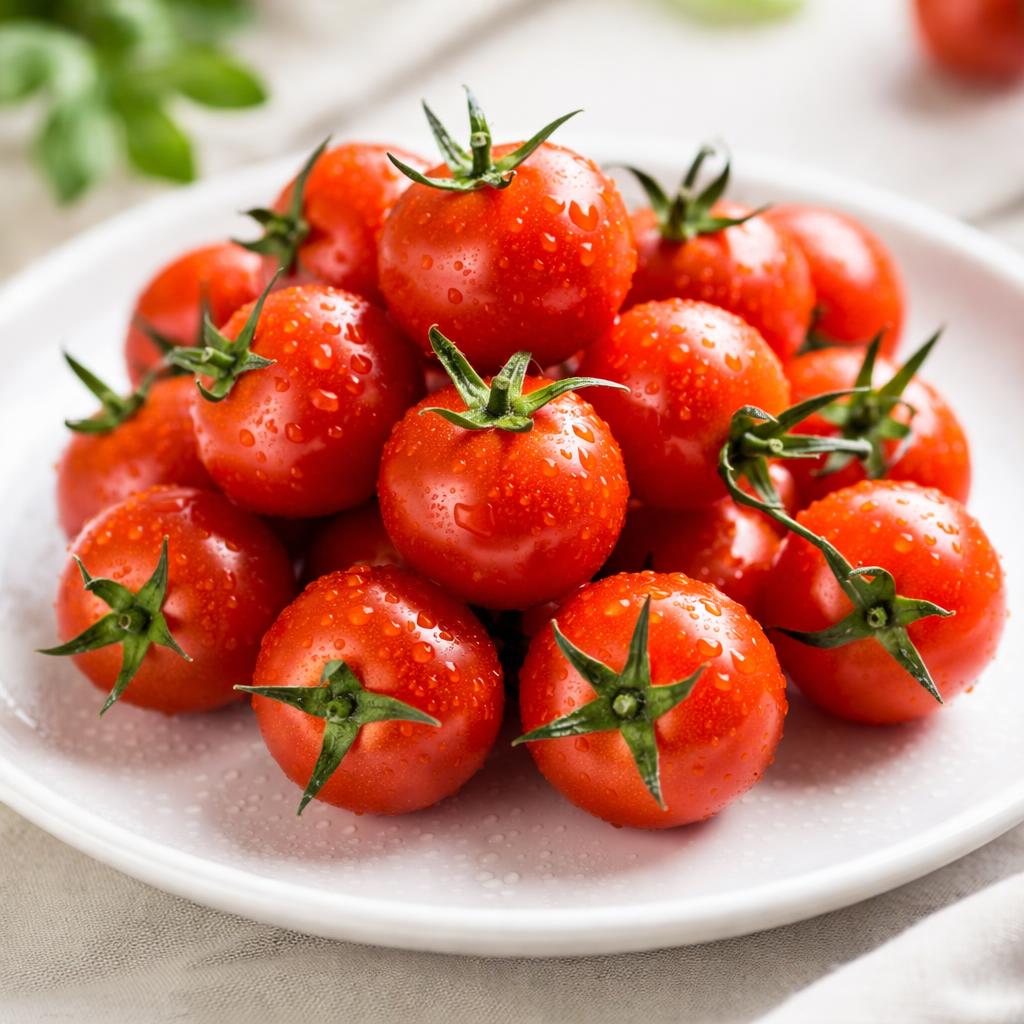
Cherry Tomatoes
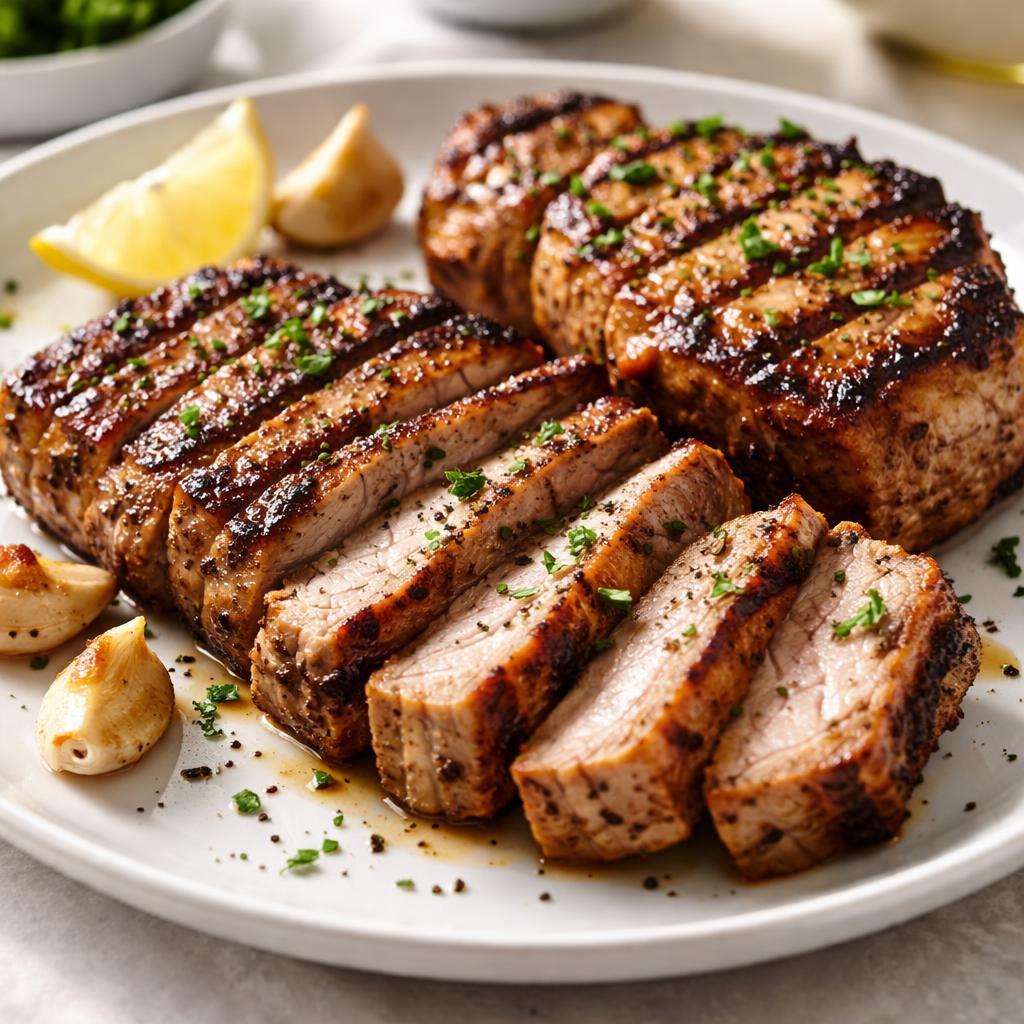
Grilled Pork
🎯 Quick Verdict
Cherry tomatoes are a low-calorie, high-fiber, and vitamin-rich plant-based food ideal for snacking or adding to meals for micronutrient density. Grilled pork, on the other hand, is a high-protein food, suitable for muscle maintenance or weight gain diets, but it's higher in calories and fat. Each serves distinct purposes in a balanced diet.

Smart Nutrition Tracking with SnapCalorie

📊 Nutritional Comparison
Macronutrients
| Nutrient | Food 1 | Food 2 | Winner |
|---|---|---|---|
| Calories | 18 (per 100g) | 242 (per 100g) | ✓ |
| Protein | 0.9g | 27g | ✓ |
| Carbs | 3.9g | 0g | ✓ |
| Fat | 0.2g | 14g | ✓ |
| Fiber | 1.2g | 0g | ✓ |
Vitamins & Minerals
| Nutrient | Food 1 | Food 2 | Winner |
|---|---|---|---|
| Vitamin C | 23mg | 0mg | ✓ |
| Vitamin A | 833IU | 0IU | ✓ |
| Iron | 0.3mg | 1mg | ✓ |
| Calcium | 10mg | 15mg | ✓ |
🏆 Category Winners
Protein
Grilled pork has 30x more protein per 100g than cherry tomatoes, making it the protein-rich choice.
Fiber
Cherry tomatoes are the clear winner with 1.2g of fiber per 100g compared to no fiber in grilled pork.
Calories
Cherry tomatoes have 92% fewer calories than grilled pork.
🥗 Diet Compatibility
Keto
Food 1: Compatible
Food 2: Compatible
Both foods are low in net carbs and suitable for ketogenic diets.
Vegan
Food 1: Compatible
Food 2: Not Compatible
Cherry tomatoes are plant-based while grilled pork is animal-derived.
Gluten Free
Food 1: Compatible
Food 2: Compatible
Neither cherry tomatoes nor grilled pork contain gluten.
Paleo
Food 1: Compatible
Food 2: Compatible
Both foods adhere to paleo diet principles.
Low-Carb
Food 1: Compatible
Food 2: Compatible
Both foods are low-carb, but grilled pork has zero carbs.
💪 Health Benefits Comparison
Food 1 Benefits
- Rich in antioxidants like lycopene for cellular protection
- Low in calories, excellent for weight management
- High in vitamin C for immune support
- Contains fiber to aid digestion
Food 2 Benefits
- Excellent source of protein for muscle growth and maintenance
- Provides heme iron for improved energy and red blood cell health
- Contains vitamin B12 to support nerve function and energy levels
- Supports recovery in physically active individuals with amino acids
✅ The Bottom Line
Choose cherry tomatoes for a low-calorie, high-vitamin snack or side dish that supports digestion and immune health. Grilled pork excels as a high-protein option for muscle repair and energy, especially post-workout or in moderate-carb diets.
Choose Food 1 for: Low-calorie snacking, antioxidant intake, immune boosting
Choose Food 2 for: High-protein recovery, iron deficiency support, satiation


