Cherry Tomatoes VS Greek Salad
A detailed nutritional comparison
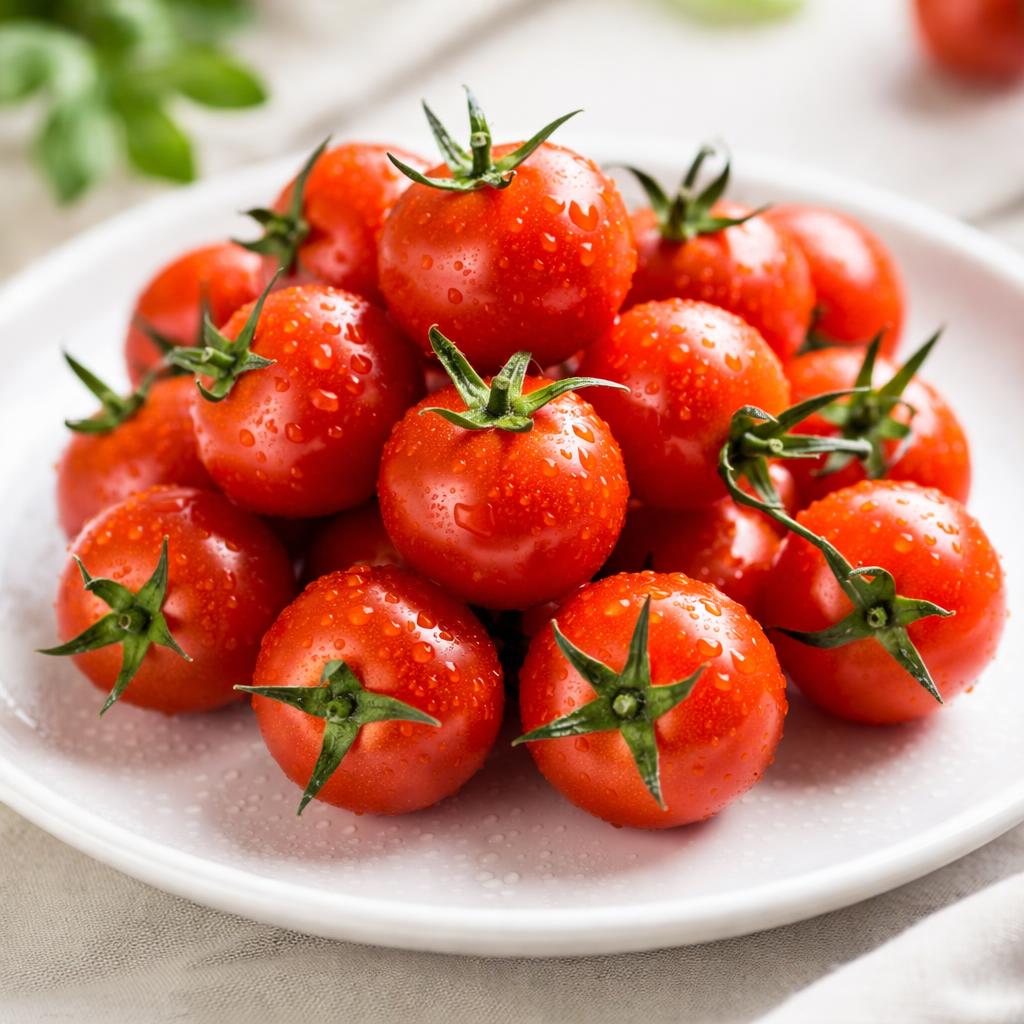
Cherry Tomatoes
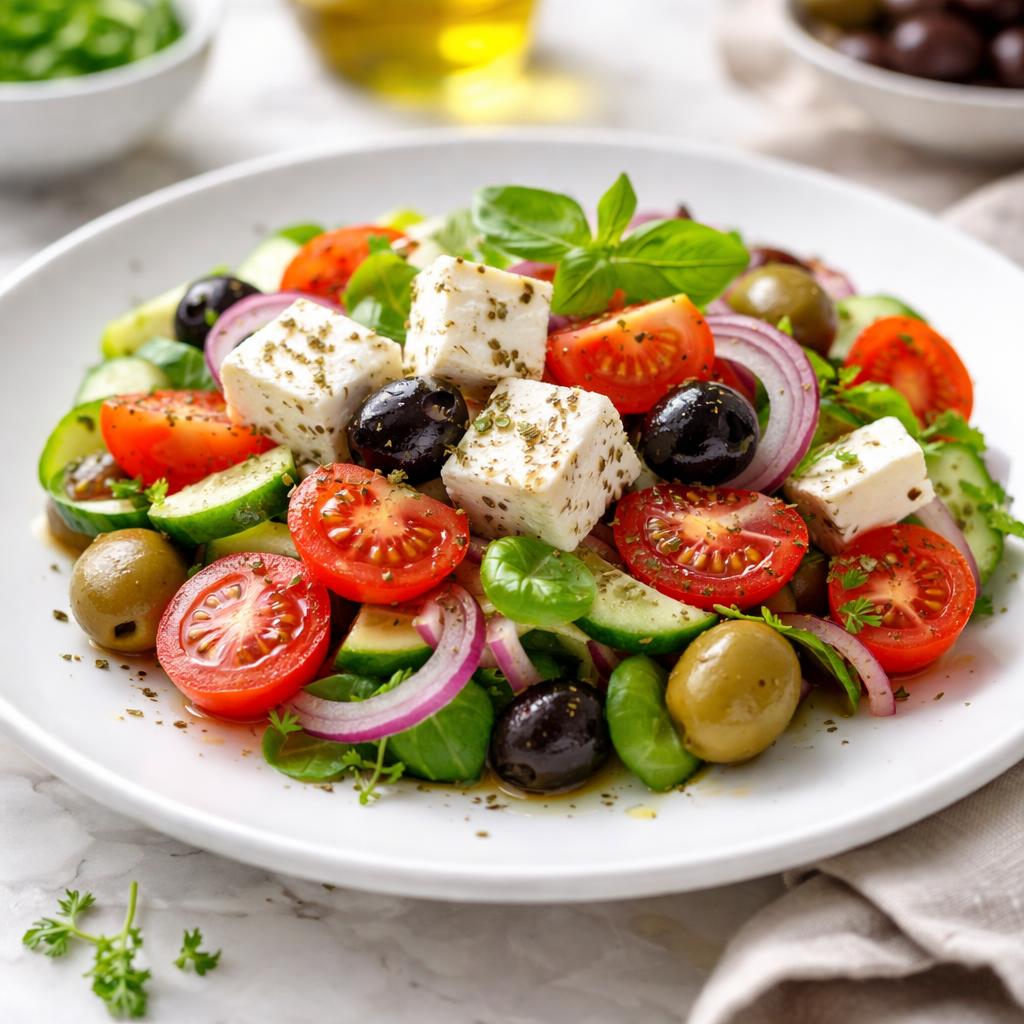
Greek Salad
🎯 Quick Verdict
Cherry tomatoes are a low-calorie, fiber-rich option, while Greek salad provides a more balanced combination of protein, healthy fats, and vital nutrients owing to its inclusion of ingredients like feta cheese, olives, and olive oil. Cherry tomatoes are ideal for snacking or as part of a light meal, whereas Greek salad is suitable for a satiating, nutrient-dense dish.

Smart Nutrition Tracking with SnapCalorie

📊 Nutritional Comparison
Macronutrients
| Nutrient | Food 1 | Food 2 | Winner |
|---|---|---|---|
| Calories | 18 kcal per 100g | 120 kcal per 100g | ✓ |
| Protein | 0.9g per 100g | 4g per 100g | ✓ |
| Carbs | 3.9g per 100g | 6g per 100g | ✓ |
| Fat | 0.2g per 100g | 9g per 100g | ✓ |
| Fiber | 1.2g per 100g | 0.5g per 100g | ✓ |
Vitamins & Minerals
| Nutrient | Food 1 | Food 2 | Winner |
|---|---|---|---|
| Vitamin C | 25mg per 100g | 4mg per 100g | ✓ |
| Calcium | 10mg per 100g | 130mg per 100g | ✓ |
| Iron | 0.3mg per 100g | 0.8mg per 100g | ✓ |
🏆 Category Winners
Protein
Greek salad contains more protein, largely due to feta cheese.
Fiber
Cherry tomatoes provide over double the fiber per serving.
Calories
Cherry tomatoes are significantly lower in calories.
Vitamins
Cherry tomatoes excel in vitamin C content, crucial for immune health.
🥗 Diet Compatibility
Keto
Food 1: Compatible
Food 2: Compatible
Both foods are low in carbs and fit the keto profile.
Vegan
Food 1: Compatible
Food 2: Not Compatible
Cherry tomatoes are plant-based, while Greek salad contains feta cheese.
Gluten Free
Food 1: Compatible
Food 2: Compatible
Neither food contains gluten.
Paleo
Food 1: Compatible
Food 2: Not Compatible
Cherry tomatoes align with paleo guidelines, but Greek salad includes dairy (feta).
Low Carb
Food 1: Compatible
Food 2: Compatible
Both are low in carbohydrates.
💪 Health Benefits Comparison
Food 1 Benefits
- Rich in vitamin C for immune health support
- Low in calories and great for weight management
- Provides antioxidants like lycopene for heart health
- Supports digestion due to its fiber content
Food 2 Benefits
- Good source of healthy fats from olive oil and olives, promoting heart health
- Contains protein from feta cheese to support muscle repair
- Offers calcium for strong bones
- Includes vitamins and minerals from vegetables like cucumbers and onions
✅ The Bottom Line
Cherry tomatoes are best for individuals aiming for a low-calorie snack high in fiber and antioxidants, while Greek salad is more appropriate for those seeking a nutrient-dense, satiating meal with good fats and protein. Both are versatile options depending on dietary goals and preferences.
Choose Food 1 for: Light snacks, weight loss, high vitamin C needs
Choose Food 2 for: Balanced meals, heart health, protein consumption


