Cherry Tomatoes VS Cream
A detailed nutritional comparison
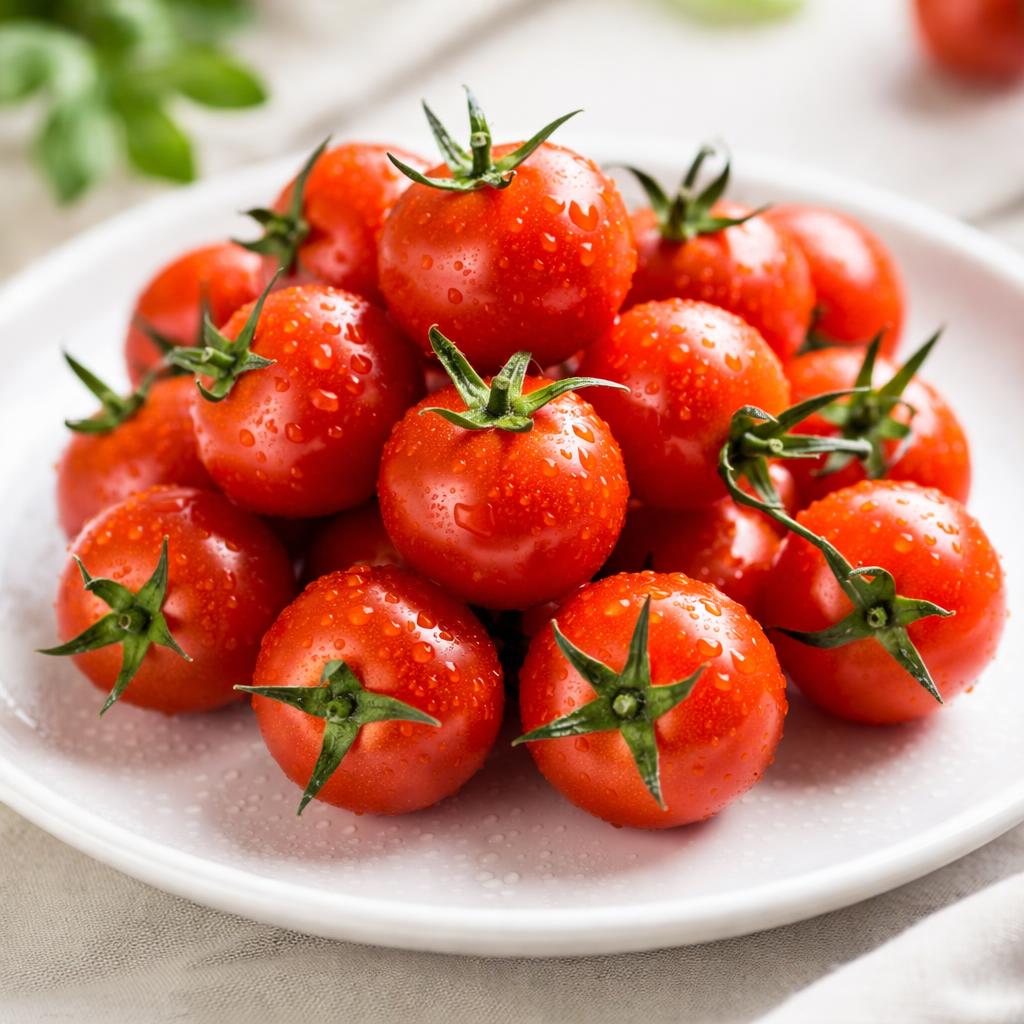
Cherry Tomatoes
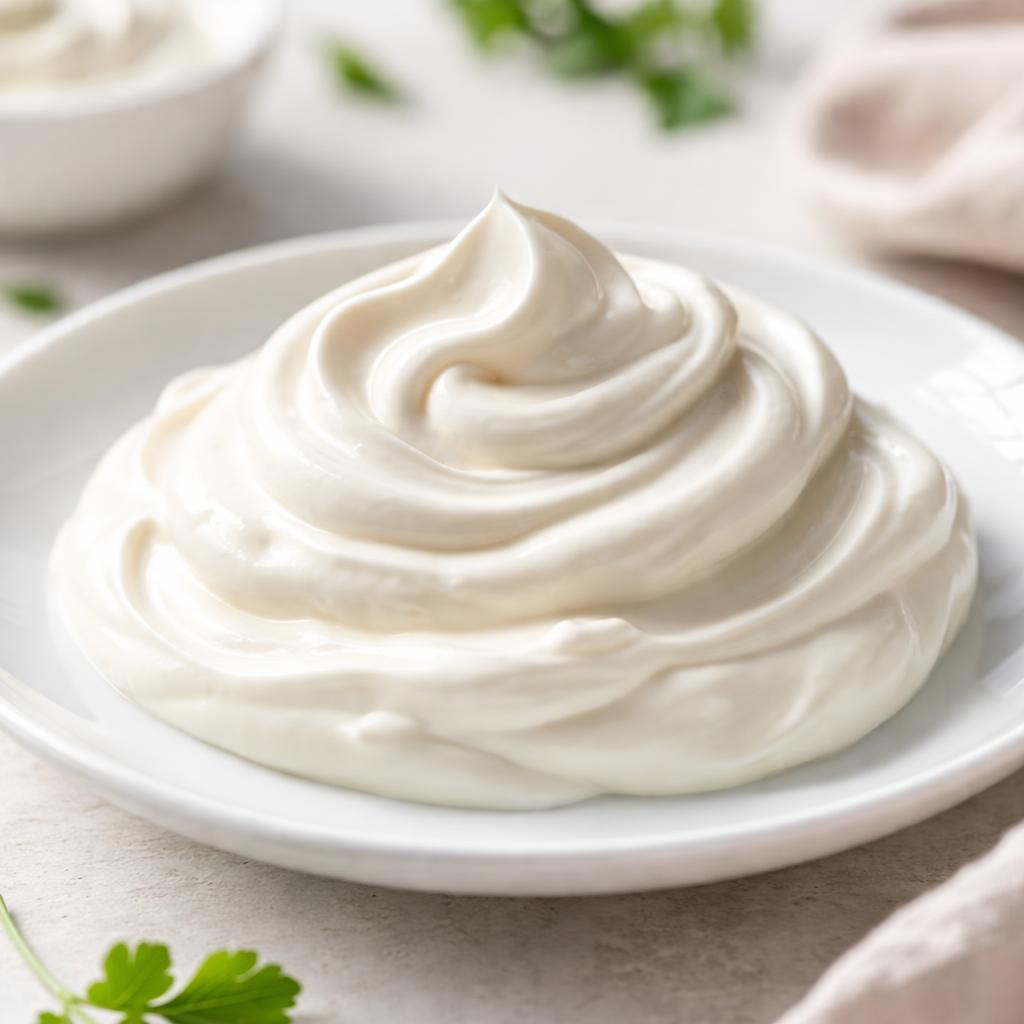
Cream
🎯 Quick Verdict
Cherry tomatoes excel in fiber and lower calories, making them ideal for weight management and digestion. Cream is richer in fats and protein, making it more suitable for keto diets and adding richness to dishes. Both are beneficial but target different dietary needs.

Smart Nutrition Tracking with SnapCalorie

📊 Nutritional Comparison
Macronutrients
| Nutrient | Food 1 | Food 2 | Winner |
|---|---|---|---|
| Calories | 18 (per 100g) | 345 (per 100g) | ✓ |
| Protein | 0.9g | 2.8g | ✓ |
| Carbs | 3.9g | 2.8g | ✓ |
| Fat | 0.2g | 37g | ✓ |
| Fiber | 1.2g | 0g | ✓ |
Vitamins & Minerals
| Nutrient | Food 1 | Food 2 | Winner |
|---|---|---|---|
| Vitamin A | 1025IU | 700IU | ✓ |
| Vitamin C | 12.7mg | 0mg | ✓ |
| Calcium | 10mg | 58mg | ✓ |
| Iron | 0.3mg | 0.05mg | ✓ |
🏆 Category Winners
Protein
Cream contains three times more protein.
Fiber
Cherry tomatoes provide 1.2g of fiber, while cream has none.
Calories
Cherry tomatoes are drastically lower in calories.
Vitamins
Cherry tomatoes are rich in vitamins, especially Vitamin C and A.
🥗 Diet Compatibility
Keto
Food 1: Not Compatible
Food 2: Compatible
Cream is high-fat and low-carb, ideal for keto diets.
Vegan
Food 1: Compatible
Food 2: Not Compatible
Cream is an animal product, while cherry tomatoes are plant-based.
Gluten Free
Food 1: Compatible
Food 2: Compatible
Neither food contains gluten.
Paleo
Food 1: Compatible
Food 2: Not Compatible
Cherry tomatoes align with paleo diets, whereas cream does not typically fit paleo guidelines.
Low-Carb
Food 1: Compatible
Food 2: Compatible
Both are relatively low in net carbs, with cream being ultra-low carb.
💪 Health Benefits Comparison
Food 1 Benefits
- Low in calories for weight management
- High in fiber to improve digestion
- Rich in Vitamin C and antioxidants for immune support
- Good source of Vitamin A for eye health
Food 2 Benefits
- Rich in fats for sustained energy and satiety
- Contributes to protein intake for muscle maintenance
- Provides calcium for strong bones
- Adds creaminess and flavor to dishes
✅ The Bottom Line
Cherry tomatoes are excellent for low-calorie diets, improving digestion, and boosting vitamin intake. Cream is more suitable for individuals on keto diets or those seeking high-fat calorie-dense options. Use cherry tomatoes for light snacking and salads, and cream for rich recipes and sauces.
Choose Food 1 for: Weight loss, digestion, vitamin-rich diets
Choose Food 2 for: Keto, high-fat diets, culinary richness


