Cherry Tomatoes VS Cottage Cheese
A detailed nutritional comparison
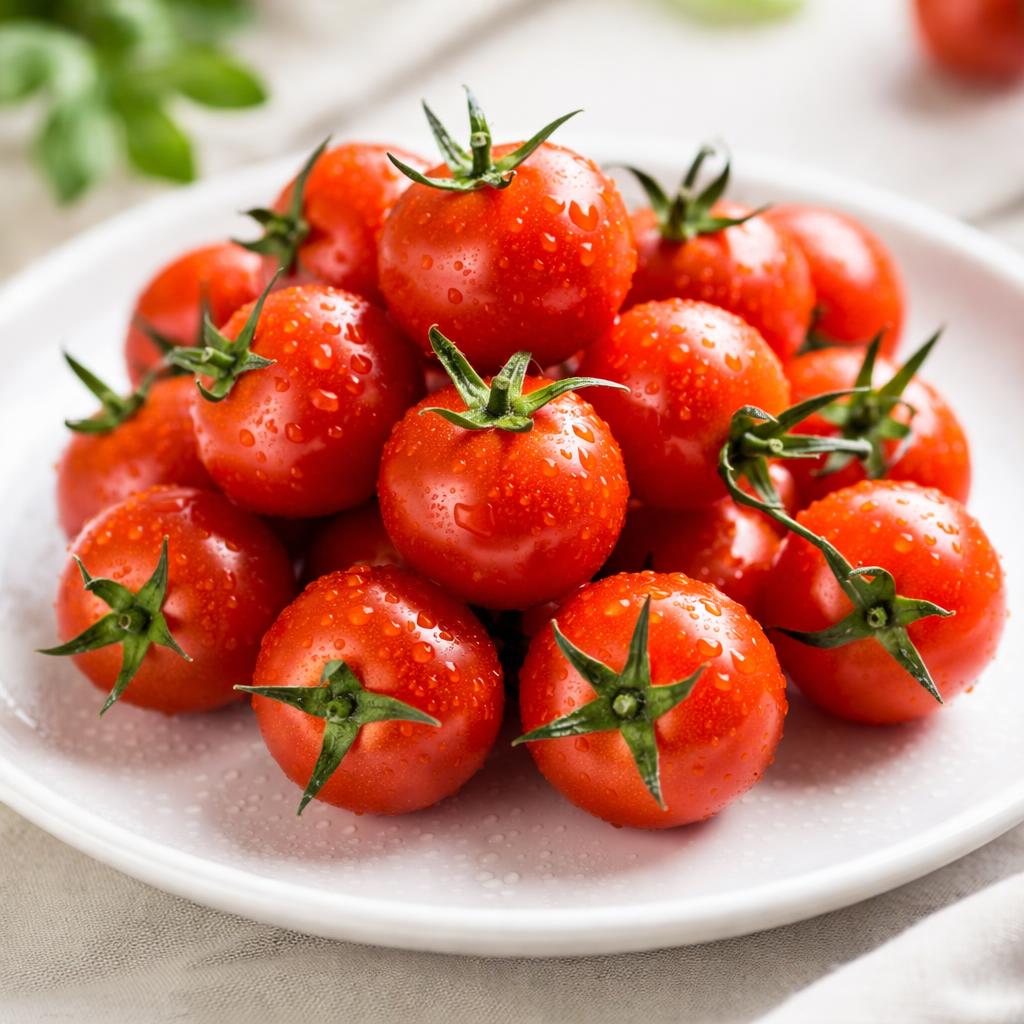
Cherry Tomatoes
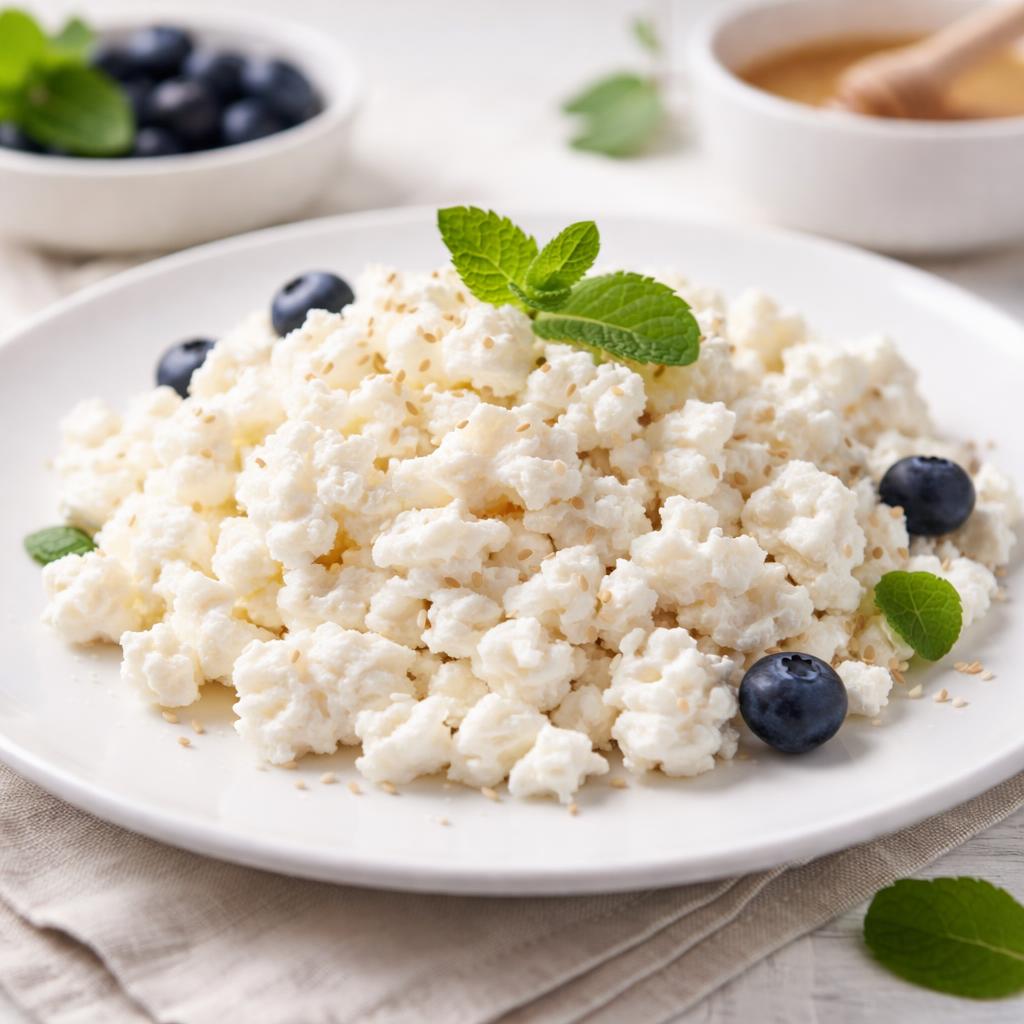
Cottage Cheese
🎯 Quick Verdict
Cherry tomatoes are a low-calorie, fiber-rich food, ideal for snacking and adding to salads. Cottage cheese, on the other hand, is higher in protein and provides more calcium, making it great for muscle maintenance and bone health. Both have distinct strengths depending on the dietary needs and use cases of the consumer.

Smart Nutrition Tracking with SnapCalorie

📊 Nutritional Comparison
Macronutrients
| Nutrient | Food 1 | Food 2 | Winner |
|---|---|---|---|
| Calories | 18 per 100g | 98 per 100g | ✓ |
| Protein | 0.9g per 100g | 11g per 100g | ✓ |
| Carbs | 3.9g per 100g | 3.4g per 100g | ✓ |
| Fat | 0.2g per 100g | 4.3g per 100g | ✓ |
| Fiber | 1.2g per 100g | 0g per 100g | ✓ |
Vitamins & Minerals
| Nutrient | Food 1 | Food 2 | Winner |
|---|---|---|---|
| Vitamin C | 25mg per 100g | 0mg per 100g | ✓ |
| Calcium | 10mg per 100g | 83mg per 100g | ✓ |
| Iron | 0.3mg per 100g | 0.1mg per 100g | ✓ |
| Vitamin D | 0mcg | 0.8mcg per 100g | ✓ |
🏆 Category Winners
Protein
Cottage cheese provides over 12 times more protein per 100g compared to cherry tomatoes.
Fiber
Cherry tomatoes contain 1.2g of fiber per 100g, whereas cottage cheese contains no fiber.
Calories
Cherry tomatoes have 82% fewer calories per 100g than cottage cheese.
Vitamins
Cherry tomatoes are rich in vitamin C and iron, essential for immune health and oxygen transport.
🥗 Diet Compatibility
Keto
Food 1: Compatible
Food 2: Compatible
Both foods are low-carb and align with ketogenic dietary principles.
Vegan
Food 1: Compatible
Food 2: Not Compatible
Cherry tomatoes are plant-based, whereas cottage cheese is derived from dairy.
Gluten Free
Food 1: Compatible
Food 2: Compatible
Neither food contains gluten.
Paleo
Food 1: Compatible
Food 2: Not Compatible
Cherry tomatoes match paleo guidelines, while cottage cheese does not due to dairy content.
Low-Carb
Food 1: Compatible
Food 2: Compatible
Both foods are suitable for low-carb diets, with under 4g carbs per 100g serving.
💪 Health Benefits Comparison
Food 1 Benefits
- Rich in antioxidants, including vitamin C, for immune health
- Low in calories, ideal for weight loss and snacking
- Contains fiber to support digestive health and promote satiety
- Provides small amounts of iron for improved oxygen transport
Food 2 Benefits
- Excellent source of protein for muscle repair and maintenance
- Contains calcium and vitamin D for strong bones and teeth
- Helps keep you full due to its protein-rich profile
- May support weight management in high-protein, low-carb diets
✅ The Bottom Line
Cherry tomatoes are perfect for low-calorie diets, snacking, or adding nutritional value to salads due to their fiber and vitamin C content. Cottage cheese is better suited for high-protein meals, post-workout nutrition, or bone health support. Choose based on your dietary goals and whether you prioritize calories or protein intake.
Choose Food 1 for: Low-calorie snacks, salads, immune boosting
Choose Food 2 for: High-protein diets, post-workout recovery, bone health


