Cherry Tomatoes VS Celery
A detailed nutritional comparison
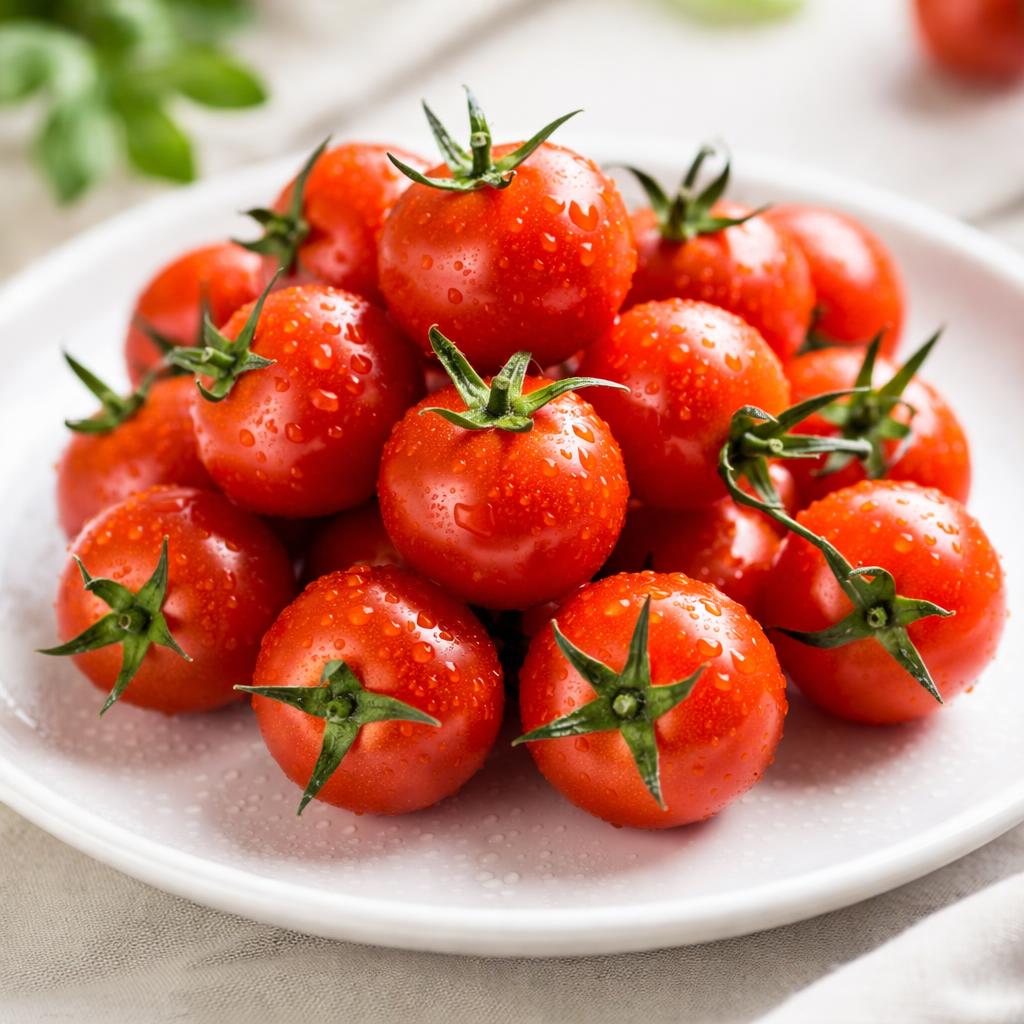
Cherry Tomatoes
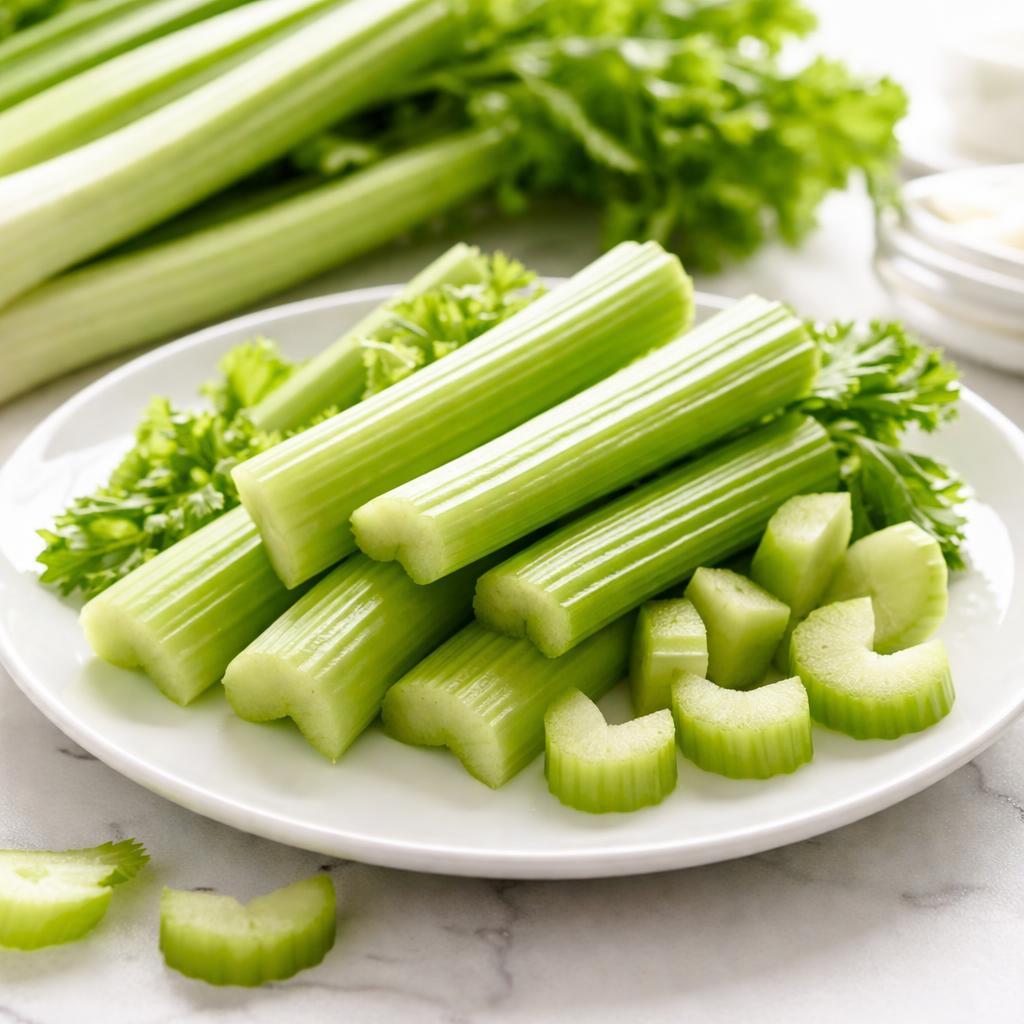
Celery
🎯 Quick Verdict
Cherry tomatoes and celery are both low-calorie, nutrient-dense foods, but they differ in specific nutritional values. Cherry tomatoes have slightly more protein and vitamin content, while celery excels in fiber and is ultra-low in calories. Cherry tomatoes are great for adding flavor and nutrients, whereas celery fits well into diets focused on weight loss due to its minimal calorie content and high fiber.

Smart Nutrition Tracking with SnapCalorie

📊 Nutritional Comparison
Macronutrients
| Nutrient | Food 1 | Food 2 | Winner |
|---|---|---|---|
| Calories | 18 kcal (per 100g) | 16 kcal (per 100g) | ✓ |
| Protein | 0.9g | 0.7g | ✓ |
| Carbs | 3.9g | 3.0g | ✓ |
| Fat | 0.2g | 0.2g | − |
| Fiber | 1.2g | 1.6g | ✓ |
Vitamins & Minerals
| Nutrient | Food 1 | Food 2 | Winner |
|---|---|---|---|
| Vitamin C | 12.7mg | 3.1mg | ✓ |
| Vitamin K | 9.8mcg | 29.3mcg | ✓ |
| Potassium | 237mg | 260mg | ✓ |
🏆 Category Winners
Protein
Cherry tomatoes provide 30% more protein per serving than celery.
Fiber
Celery contains 33% more fiber per serving, aiding digestion.
Calories
Celery has 11% fewer calories per 100g, making it better for calorie-focused diets.
Vitamins
Cherry tomatoes excel in Vitamin C while celery is richer in Vitamin K and potassium.
🥗 Diet Compatibility
Keto
Food 1: Compatible
Food 2: Compatible
Both are low-carb and suitable for ketogenic diets.
Vegan
Food 1: Compatible
Food 2: Compatible
Both are plant-based foods.
Gluten Free
Food 1: Compatible
Food 2: Compatible
Neither contains gluten.
Paleo
Food 1: Compatible
Food 2: Compatible
Both align with the paleo diet principles.
Low-Carb
Food 1: Moderately Compatible
Food 2: Highly Compatible
Celery is lower in carbs and better suited for strict low-carb diets.
💪 Health Benefits Comparison
Food 1 Benefits
- Good source of Vitamin C for immune function.
- Low calorie, aiding in weight control.
- Contains antioxidants like lycopene to support skin health.
Food 2 Benefits
- High in fiber for digestion and satiety.
- Rich in Vitamin K, supporting bone health.
- Provides hydration due to high water content.
✅ The Bottom Line
Both cherry tomatoes and celery have distinct advantages depending on dietary goals. Choose cherry tomatoes for a nutrient boost, antioxidants, and balanced macros, while celery is ideal for low-calorie, high-fiber diets, especially when hydration and satiety are priorities.
Choose Food 1 for: Adding flavor to dishes, immunity boost, antioxidant-rich diets.
Choose Food 2 for: Weight loss, digestive health, hydrating snacks.


