Cherry Tomatoes VS Beans
A detailed nutritional comparison
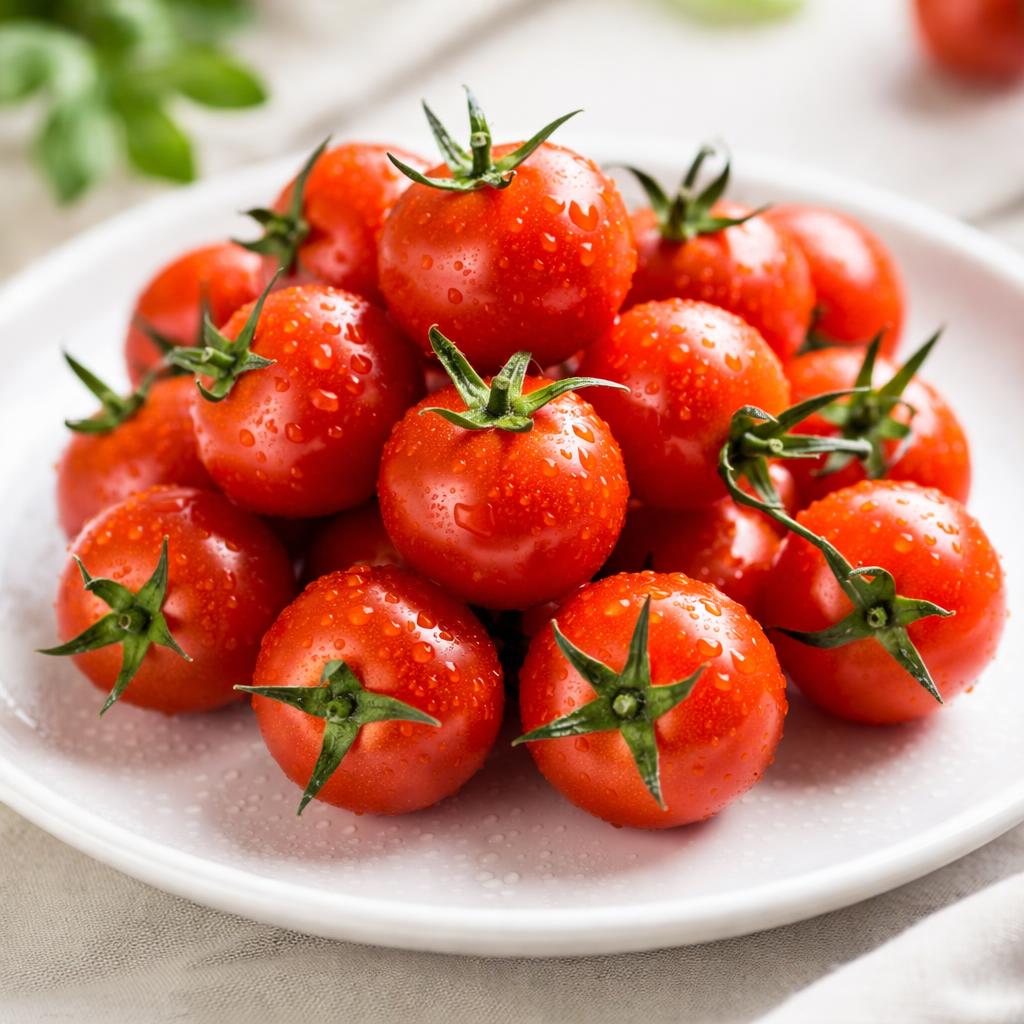
Cherry Tomatoes
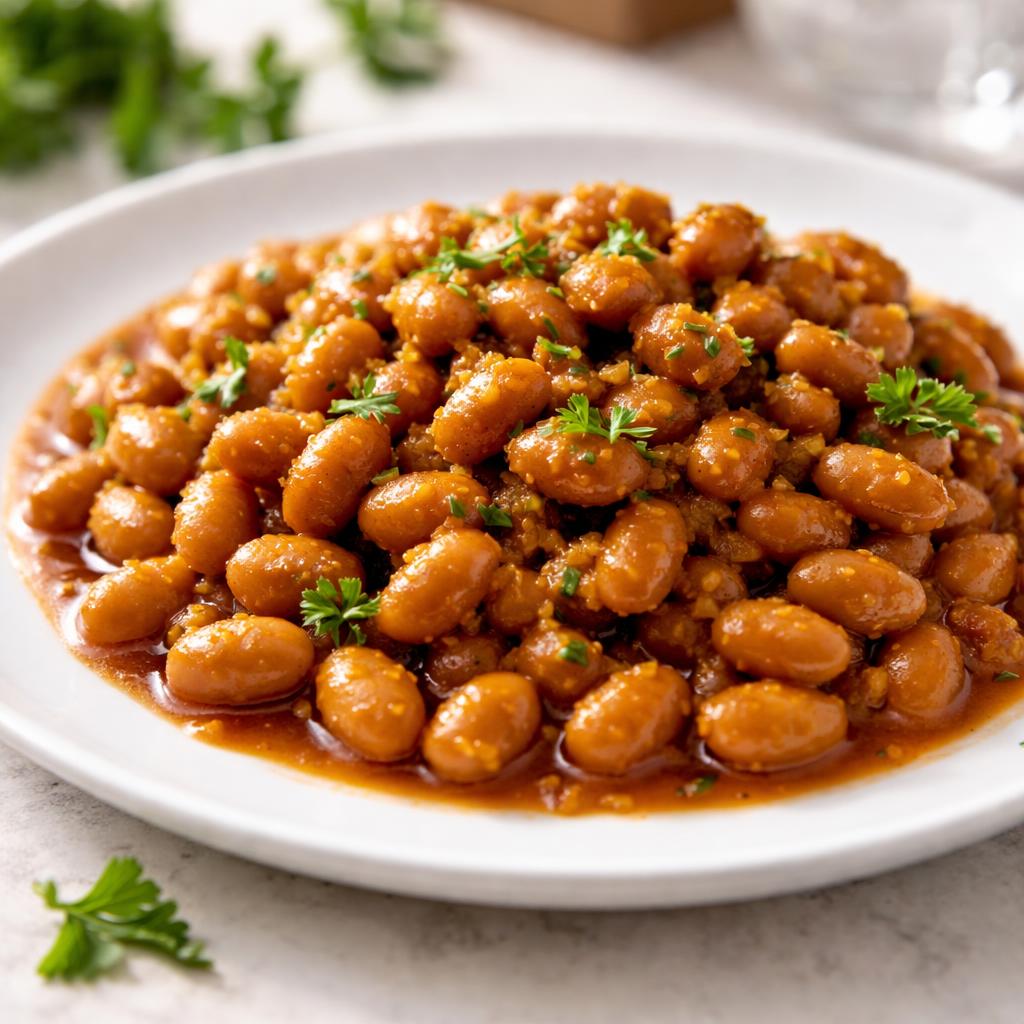
Beans
🎯 Quick Verdict
Cherry tomatoes and beans differ significantly in their macronutrient profiles. Cherry tomatoes are low-calorie, hydrating, and a good source of vitamins like vitamin C, while beans are higher in protein and fiber, making them more filling. Cherry tomatoes are excellent for light snacks or salads, while beans are better suited for meals needing protein and sustained energy.

Smart Nutrition Tracking with SnapCalorie

📊 Nutritional Comparison
Macronutrients
| Nutrient | Food 1 | Food 2 | Winner |
|---|---|---|---|
| Calories | 18 (per 100g) | 347 (cooked, per 100g) | ✓ |
| Protein | 0.9g | 21g | ✓ |
| Carbs | 3.9g | 63g | ✓ |
| Fat | 0.2g | 1.5g | ✓ |
| Fiber | 1.2g | 16g | ✓ |
Vitamins & Minerals
| Nutrient | Food 1 | Food 2 | Winner |
|---|---|---|---|
| Vitamin A | 833 IU | 0 IU | ✓ |
| Vitamin C | 12mg | 1.2mg | ✓ |
| Iron | 0.3mg | 5mg | ✓ |
| Calcium | 10mg | 132mg | ✓ |
🏆 Category Winners
Protein
Beans provide 23 times more protein than cherry tomatoes per 100g.
Fiber
Beans are significantly higher in fiber, with 16g per 100g compared to cherry tomatoes' 1.2g.
Calories
Cherry tomatoes are much lower in calories at only 18 per 100g compared to beans' 347.
Vitamins
Cherry tomatoes excel in vitamin A and C content, while beans are stronger in iron and calcium.
🥗 Diet Compatibility
Keto
Food 1: Compatible
Food 2: Not Compatible
Cherry tomatoes are low-carb and fit well into a keto diet, whereas beans are too high in carbohydrates.
Vegan
Food 1: Compatible
Food 2: Compatible
Both foods are plant-based and suitable for vegan diets.
Gluten Free
Food 1: Compatible
Food 2: Compatible
Neither cherry tomatoes nor beans contain gluten.
Paleo
Food 1: Compatible
Food 2: Not Compatible
Cherry tomatoes are paleo-friendly, but beans are typically avoided in paleo diets due to anti-nutrients.
Low Carb
Food 1: Compatible
Food 2: Not Compatible
With a low carbohydrate content of 3.9g per 100g, cherry tomatoes are suitable for low-carb diets, while beans' 63g per 100g make them unsuitable.
💪 Health Benefits Comparison
Food 1 Benefits
- Rich in vitamin C for skin and immune health
- Contains antioxidants like lycopene supporting heart health
- Low in calories, making it great for weight loss
- Hydrating with a high water content
Food 2 Benefits
- High in protein for muscle repair and satiety
- Rich in fiber, promoting healthy digestion
- Great source of plant-based iron and calcium for bone health
- Provides complex carbs for sustained energy
✅ The Bottom Line
Choose cherry tomatoes for low-calorie, hydrating snacks or as a light addition to meals. Opt for beans if you need a plant-based protein or fiber boost for filling and energy-sustaining meals. Both have strong health benefits but cater to very different dietary goals.
Choose Food 1 for: Low-calorie diets, light snacks, hydration, added antioxidants
Choose Food 2 for: High-protein diets, filling meals, sustained energy, digestive health


