Cherry Tomatoes VS Basil
A detailed nutritional comparison
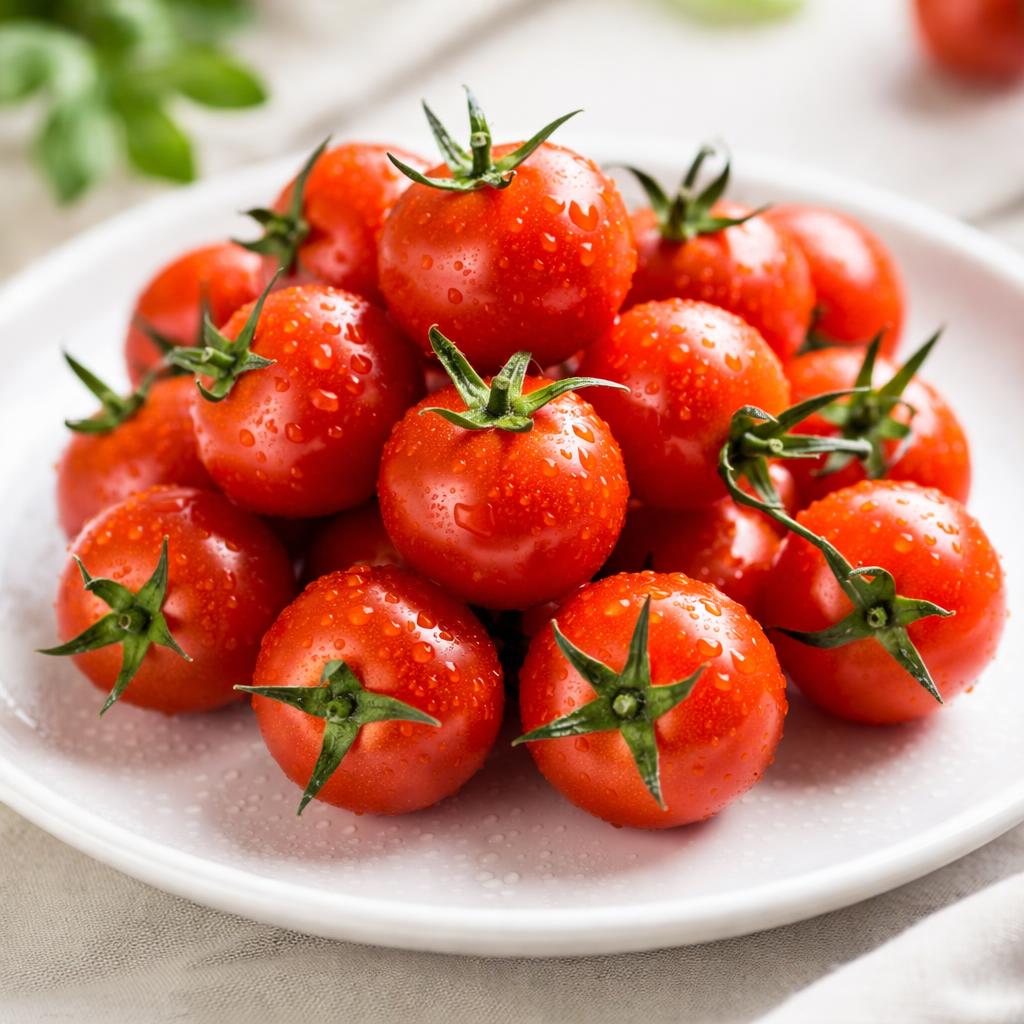
Cherry Tomatoes
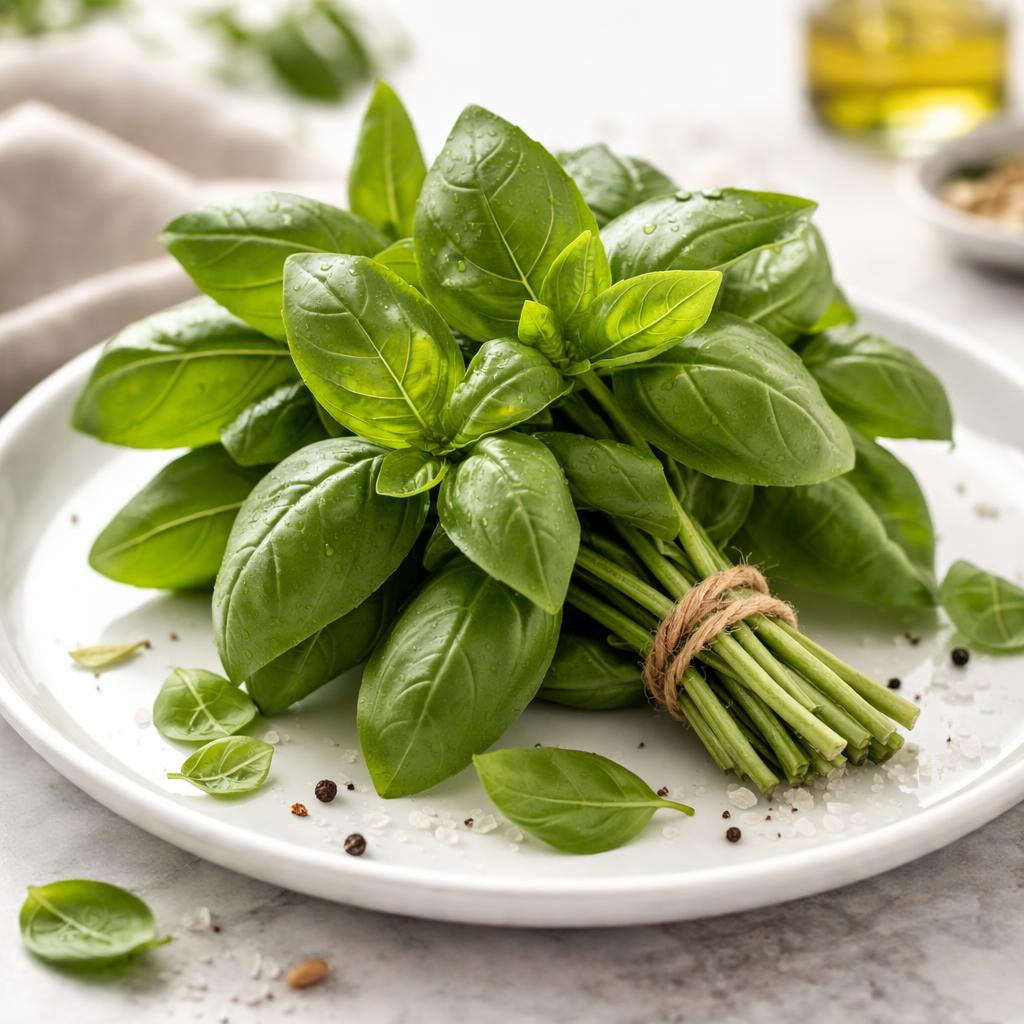
Basil
🎯 Quick Verdict
Cherry tomatoes and basil serve different nutritional roles. Cherry tomatoes are low-calorie, fiber-rich fruits with moderate levels of vitamin C and hydration. Basil is an herb with calorie density mostly from protein and essential oils, providing antioxidants and vitamins like vitamin A and K. Use cherry tomatoes for a filling snack or base, and basil for flavor and additional nutrient boosts.

Smart Nutrition Tracking with SnapCalorie

📊 Nutritional Comparison
Macronutrients
| Nutrient | Food 1 | Food 2 | Winner |
|---|---|---|---|
| Calories | 25 (per 100g) | 23 (per 100g) | − |
| Protein | 1g | 3.15g | − |
| Carbs | 5.8g | 3.2g | − |
| Fat | 0.3g | 0.64g | − |
| Fiber | 1.7g | 1.6g | − |
Vitamins & Minerals
| Nutrient | Food 1 | Food 2 | Winner |
|---|---|---|---|
| Vitamin C | 18mg | 0mg | − |
| Vitamin A | 1025 IU | 5275 IU | − |
| Vitamin K | 10mcg | 171mcg | − |
| Calcium | 10mg | 177mg | − |
| Iron | 0.3mg | 3.17mg | − |
🏆 Category Winners
Protein
Basil provides over 3g of protein per 100g compared to 1g in cherry tomatoes.
Fiber
Cherry tomatoes have slightly more fiber per serving.
Calories
Both are very low-calorie, with no significant difference between them.
🥗 Diet Compatibility
Keto
Food 1: Compatible
Food 2: Compatible
Both foods are low in carbohydrates and suitable for keto diets.
Vegan
Food 1: Compatible
Food 2: Compatible
Both foods are free from animal products and suitable for vegans.
Gluten Free
Food 1: Compatible
Food 2: Compatible
Neither contains gluten.
Paleo
Food 1: Compatible
Food 2: Compatible
Both are whole, unprocessed foods that fit paleo guidelines.
Low-Carb
Food 1: Compatible
Food 2: Compatible
Both are naturally low in carbohydrates.
💪 Health Benefits Comparison
Food 1 Benefits
- Rich in vitamin C to support immune health
- High in antioxidants like lycopene for fighting free radicals
- Contains dietary fiber for healthy digestion
- Low calorie and hydrating
Food 2 Benefits
- Provides vitamin K for bone health and clotting
- Rich in vitamin A for eye health and immunity
- Contains antioxidants like eugenol for anti-inflammatory properties
- Good source of essential oils that promote digestive health
✅ The Bottom Line
Cherry tomatoes are best for fiber, hydration, and vitamin C, making them ideal for snacks or salads. Basil excels in protein, vitamin A, and antioxidants, perfect for flavoring dishes or providing a nutrient boost. Choose cherry tomatoes for volume and satiety, and basil for concentrated nutrients and taste enhancement.
Choose Food 1 for: Low-calorie snacks, hydration, antioxidant-rich meals
Choose Food 2 for: Flavoring, nutrient-dense garnishes, anti-inflammatory benefits


