Cherry Tomatoes VS Artichoke Hearts
A detailed nutritional comparison
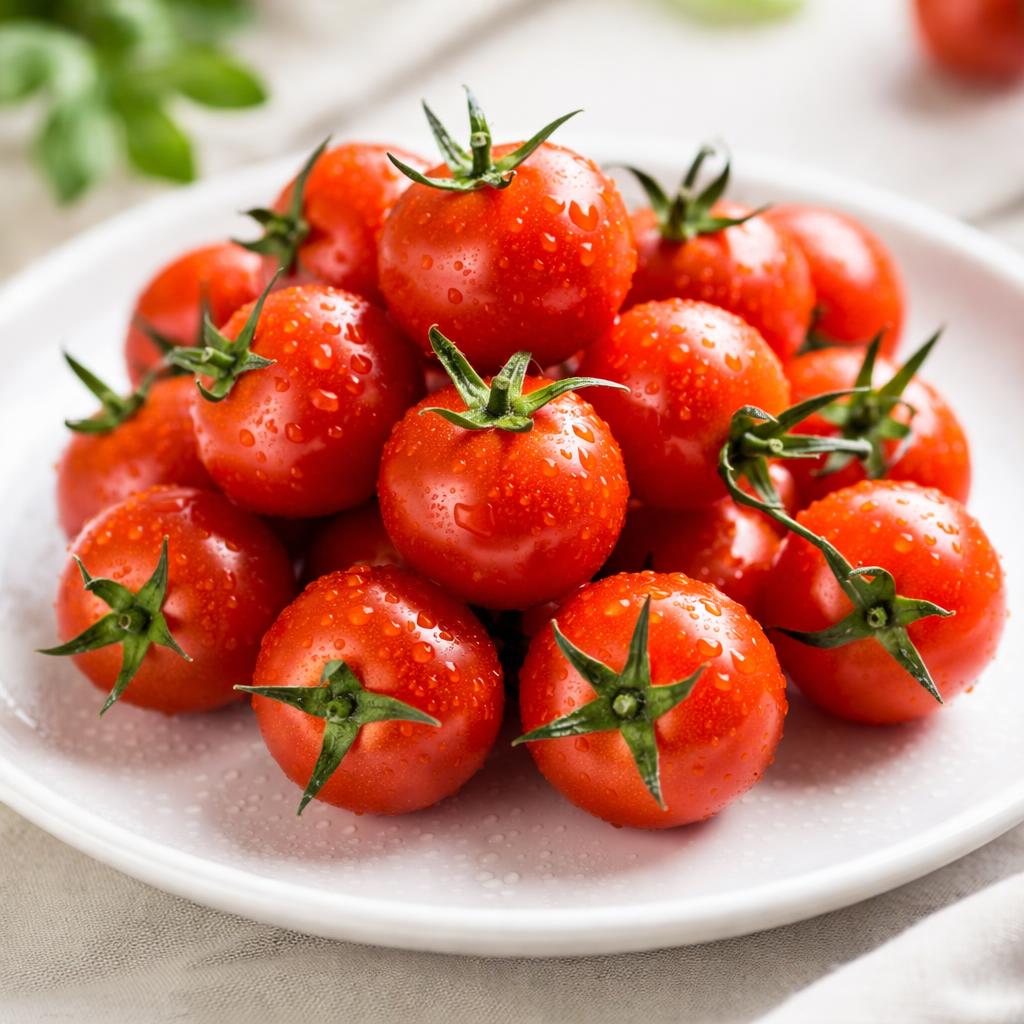
Cherry Tomatoes
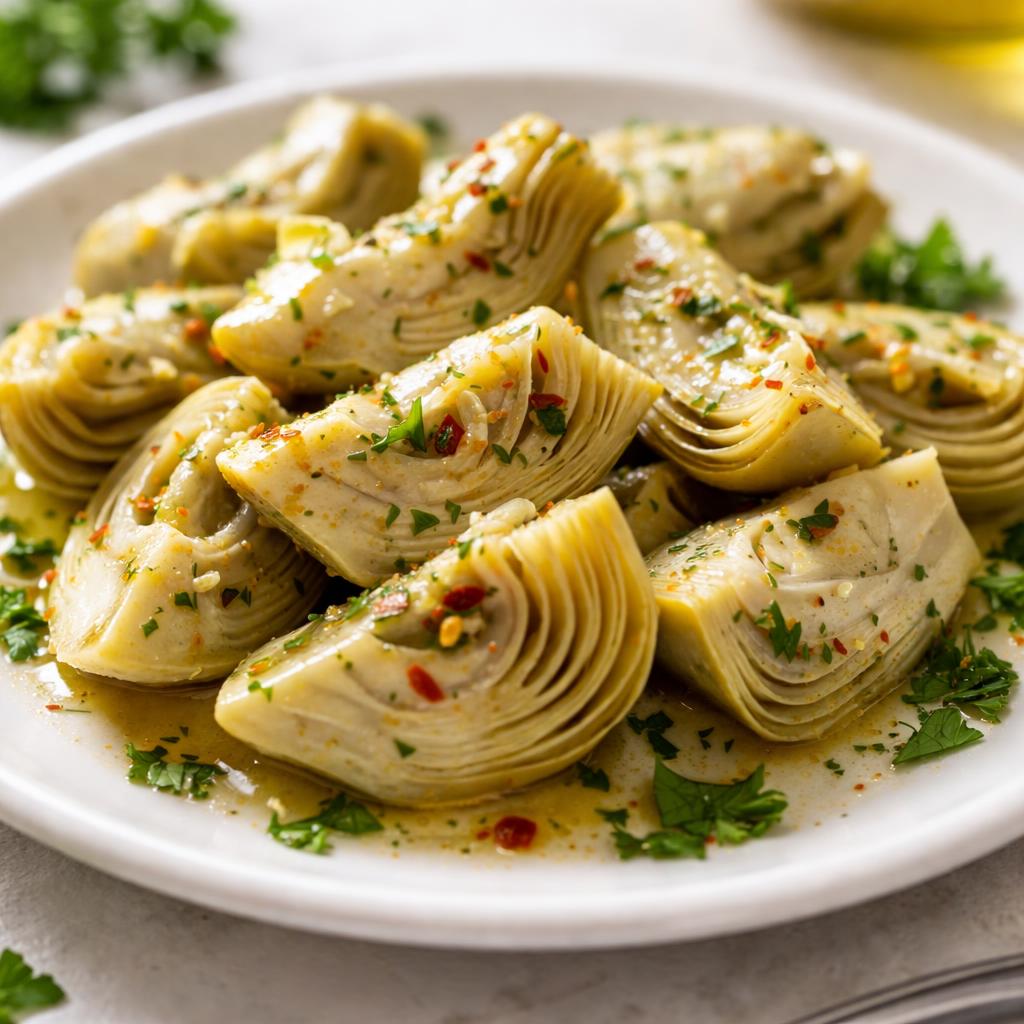
Artichoke Hearts
🎯 Quick Verdict
Cherry tomatoes and artichoke hearts differ significantly in their nutritional profiles. Artichoke hearts excel in fiber and protein, making them better for digestion and satiety, while cherry tomatoes are lower in calories and provide more vitamin C, suitable for light, refreshing meals. Both are versatile and nutrient-rich for a balanced diet with distinct advantages depending on dietary goals.

Smart Nutrition Tracking with SnapCalorie

📊 Nutritional Comparison
Macronutrients
| Nutrient | Food 1 | Food 2 | Winner |
|---|---|---|---|
| Calories | 18 | 60 | ✓ |
| Protein | 0.9g | 4.2g | ✓ |
| Carbs | 3.9g | 13g | ✓ |
| Fat | 0.2g | 0.2g | − |
| Fiber | 1g | 7g | ✓ |
Vitamins & Minerals
| Nutrient | Food 1 | Food 2 | Winner |
|---|---|---|---|
| Vitamin C | 15mg | 3mg | ✓ |
| Vitamin K | 10mcg | 14mcg | ✓ |
| Potassium | 210mg | 170mg | ✓ |
🏆 Category Winners
Protein
Artichoke hearts have over 4 times the protein content of cherry tomatoes.
Fiber
Artichoke hearts provide 7g of fiber versus 1g in cherry tomatoes.
Calories
Cherry tomatoes have 70% fewer calories per serving compared to artichoke hearts.
Vitamins
Cherry tomatoes excel in vitamin C and potassium, key for immune health and fluid balance.
🥗 Diet Compatibility
Keto
Food 1: Not Compatible
Food 2: Not Compatible
Both foods are relatively high in carbs, making them unsuitable for keto.
Vegan
Food 1: Compatible
Food 2: Compatible
Both are plant-based and vegan-friendly.
Gluten Free
Food 1: Compatible
Food 2: Compatible
Neither contains gluten.
Paleo
Food 1: Compatible
Food 2: Compatible
Both foods are paleo-friendly as whole, unprocessed items.
Low Carb
Food 1: Compatible
Food 2: Not Compatible
Cherry tomatoes are low carb with less than 4g per serving.
💪 Health Benefits Comparison
Food 1 Benefits
- Low calorie and low carb, ideal for weight management.
- Rich in vitamin C for immune health and skin repair.
- Provides potassium for electrolyte balance and heart health.
- Contains antioxidants like lycopene for anti-inflammatory effects.
Food 2 Benefits
- High in fiber for digestive health and satiety.
- Contains protein to support muscle maintenance and growth.
- Good source of vitamin K for blood health and calcium absorption.
- Packed with antioxidants like cynarin for liver health.
✅ The Bottom Line
Cherry tomatoes are best if you’re looking for a light, low-calorie option with a high vitamin C content, perfect for refreshing salads or snacks. Artichoke hearts, on the other hand, are a better choice for fiber, protein, and sustained fullness, making them excellent for digestion-focused and nutrient-dense meals.
Choose Food 1 for: Low-calorie diets, salads, immune health, light snacks
Choose Food 2 for: High-fiber diets, high-protein diets, nutrient-dense meals, digestive health


