Cheese VS White Wine
A detailed nutritional comparison
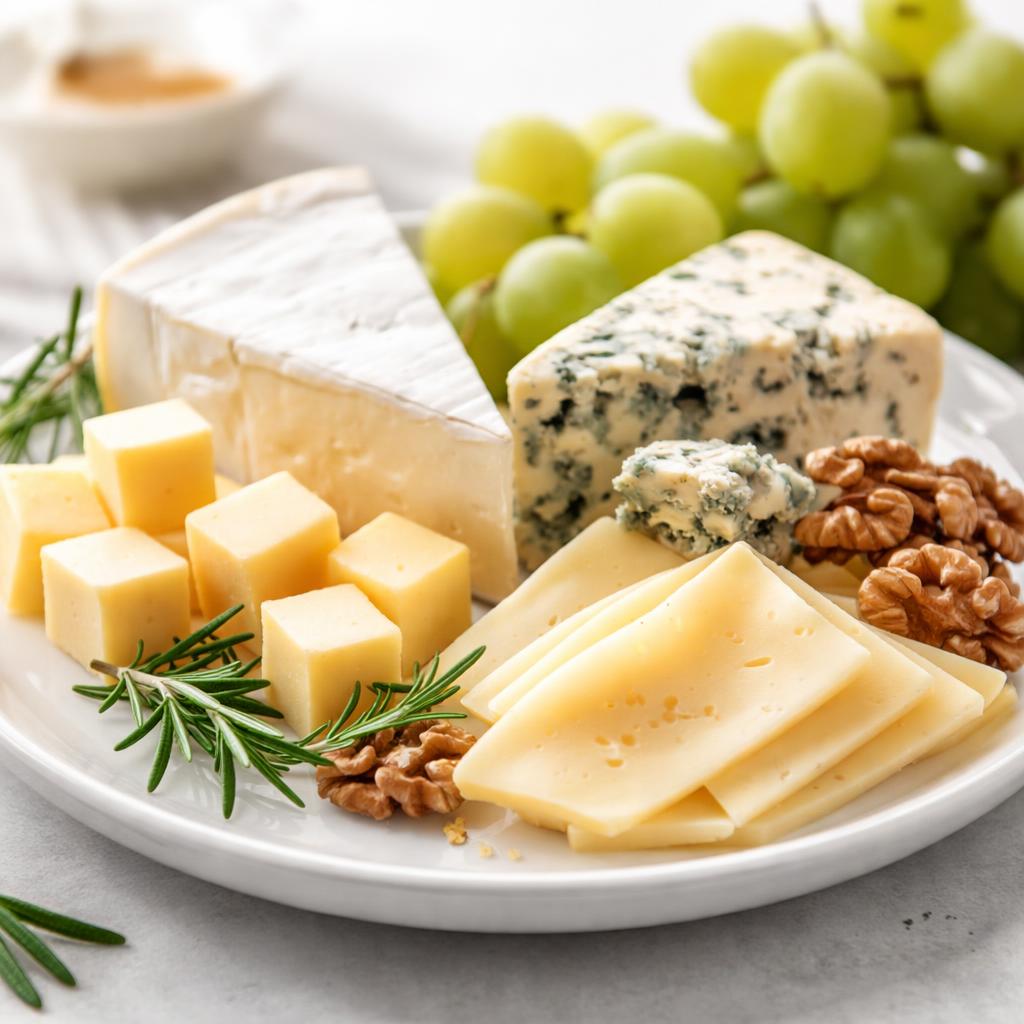
Cheese

White Wine
🎯 Quick Verdict
Cheese is nutritionally dense with high protein, calcium, and fat content, making it ideal for muscle maintenance and bone health. White wine, on the other hand, is low in calories and fats, offering antioxidants but missing key macronutrients. Cheese is better suited for those seeking a nutrient-rich food, while white wine is most appropriate for light consumption in social settings or as a beverage pairing.

Smart Nutrition Tracking with SnapCalorie

📊 Nutritional Comparison
Macronutrients
| Nutrient | Food 1 | Food 2 | Winner |
|---|---|---|---|
| Calories | 115 | 85 | ✓ |
| Protein | 7g | 0g | ✓ |
| Carbs | 1g | 3g | ✓ |
| Fat | 9g | 0g | ✓ |
| Fiber | 0g | 0g | − |
Vitamins & Minerals
| Nutrient | Food 1 | Food 2 | Winner |
|---|---|---|---|
| Calcium | 200mg | 5mg | ✓ |
| Vitamin D | 0.6mcg | 0mcg | ✓ |
| Potassium | 30mg | 99mg | ✓ |
🏆 Category Winners
Protein
Cheese contains 7g protein per serving, while white wine contains 0g.
Fiber
Neither cheese nor white wine contains fiber.
Calories
White wine has 85 calories, which is 26% fewer calories than cheese.
Vitamins
Cheese is rich in calcium and contains some vitamin D, while white wine has negligible vitamins.
🥗 Diet Compatibility
Keto
Food 1: Compatible
Food 2: Compatible
Both cheese and wine are low in carbohydrates.
Vegan
Food 1: Not Compatible
Food 2: Compatible
Cheese contains dairy, while wine is plant-based.
Gluten Free
Food 1: Compatible
Food 2: Compatible
Neither contains gluten.
Paleo
Food 1: Not Compatible
Food 2: Not Compatible
Cheese and wine are not considered paleo-friendly due to dairy and processed production.
Low Carb
Food 1: Compatible
Food 2: Compatible
Both foods have low carbohydrate content (1g for cheese, 3g for wine).
💪 Health Benefits Comparison
Food 1 Benefits
- High in protein for muscle growth and repair
- Good source of calcium to support bone health
- Contains healthy fats for energy and nutrient absorption
- Provides small amounts of vitamin D
Food 2 Benefits
- Contains antioxidants such as polyphenols which may support heart health
- Low in calories compared to many other beverages
- Moderate alcohol consumption may improve stress reduction
- Provides small amounts of potassium
✅ The Bottom Line
Cheese is a more nutritionally comprehensive food due to its rich protein, calcium, and fat content, making it ideal for muscle maintenance, bone health, and a nutrient-dense snack. White wine, as a beverage, is lower in calories and provides antioxidants but is nutritionally sparse. Choose cheese for its dietary benefits and use white wine as a light indulgence or pairing with meals.
Choose Food 1 for: Protein-rich diets, bone health, post-workout recovery
Choose Food 2 for: Light calorie-conscious consumption, social settings, antioxidant intake


