Cheese VS Vegetable Salad
A detailed nutritional comparison
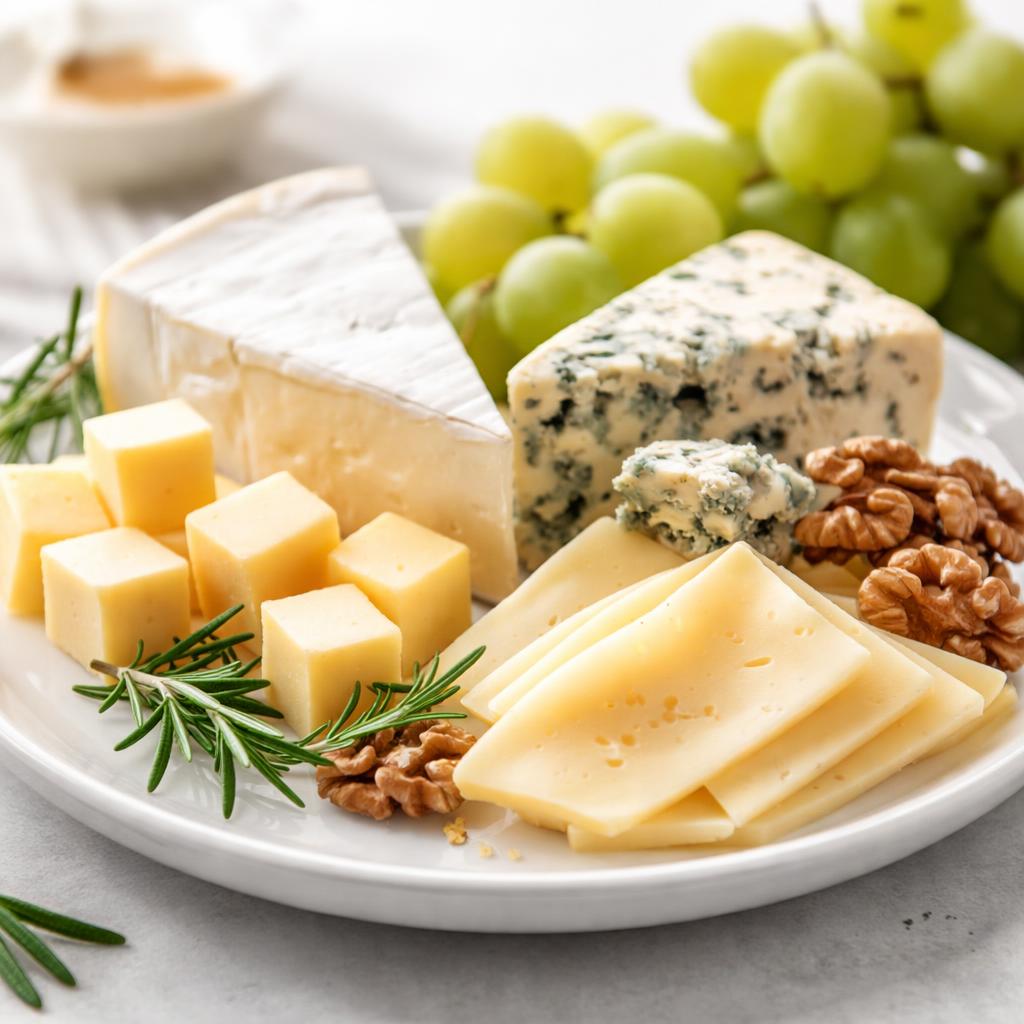
Cheese
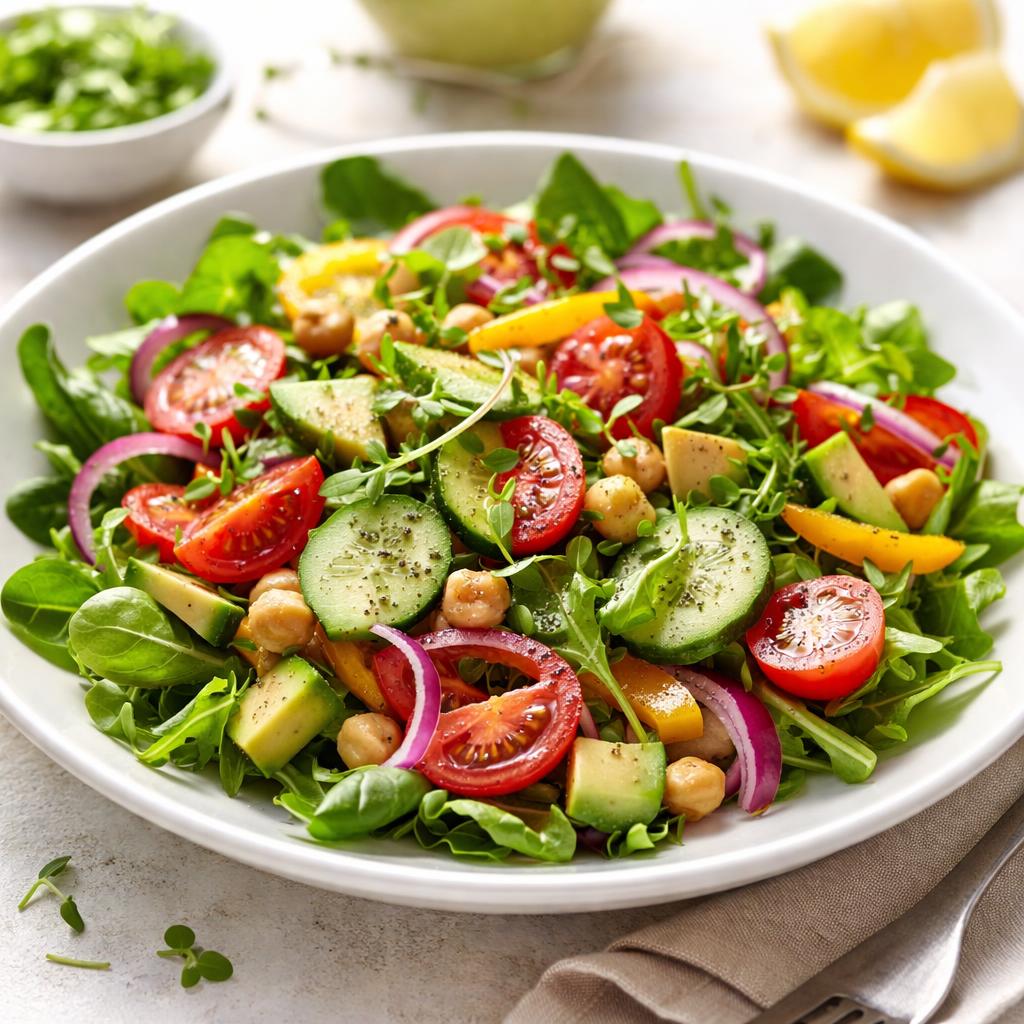
Vegetable Salad
🎯 Quick Verdict
Cheese is a calorie-dense, protein-rich food that provides essential nutrients like calcium and vitamin D, making it ideal for high-protein diets or keto-friendly meals. Vegetable salad, on the other hand, is lower in calories, high in fiber, and filled with vitamins and antioxidants, making it great for digestion, weight-loss diets, and overall nutrient density. Choose cheese for protein needs, and vegetable salad for fiber and lower calorie intake.

Smart Nutrition Tracking with SnapCalorie

📊 Nutritional Comparison
Macronutrients
| Nutrient | Food 1 | Food 2 | Winner |
|---|---|---|---|
| Calories | 400 | 120 | ✓ |
| Protein | 25g | 3g | ✓ |
| Carbs | 1g | 15g | ✓ |
| Fat | 33g | 5g | ✓ |
| Fiber | 0g | 5g | ✓ |
Vitamins & Minerals
| Nutrient | Food 1 | Food 2 | Winner |
|---|---|---|---|
| Vitamin D | 0.6mcg | 0.1mcg | ✓ |
| Calcium | 680mg | 50mg | ✓ |
| Vitamin C | 0mg | 30mg | ✓ |
| Iron | 0.2mg | 2mg | ✓ |
🏆 Category Winners
Protein
Cheese provides a high 25g of protein per serving compared to vegetable salad's 3g, making it ideal for protein intake.
Fiber
Vegetable salad offers 5g of fiber per serving, which aids digestion, while cheese contains no fiber.
Calories
Vegetable salad is much lower in calories (120 per serving) compared to cheese's 400.
Vitamins
Cheese is better for calcium and vitamin D, while vegetable salad excels in vitamin C and iron.
🥗 Diet Compatibility
Keto
Food 1: Compatible
Food 2: Not Compatible
Cheese is very low in carbs, making it keto-friendly. Vegetable salad contains 15g of carbs, slightly high for keto.
Vegan
Food 1: Not Compatible
Food 2: Compatible
Cheese is animal-derived, whereas vegetable salad is plant-based and vegan-friendly.
Gluten Free
Food 1: Compatible
Food 2: Compatible
Neither cheese nor vegetable salad contains gluten.
Paleo
Food 1: Not Compatible
Food 2: Compatible
Paleo excludes processed dairy (like cheese), but vegetable salad aligns with paleo principles.
Low-Carb
Food 1: Compatible
Food 2: Not Compatible
Cheese is extremely low in carbs at just 1g per serving; vegetable salad has 15g of carbs, which may not suit low-carb diets.
💪 Health Benefits Comparison
Food 1 Benefits
- Excellent source of protein for muscle growth and repair
- Rich in calcium for strong bones and teeth
- Provides vitamin D to support bone health
Food 2 Benefits
- Packed with fiber for improved digestion
- High in antioxidants from vegetables to reduce inflammation
- Rich in vitamin C for immune system support
✅ The Bottom Line
Cheese is a protein-packed food best suited for keto and low-carb diets, offering high calcium and vitamin D but with a higher calorie count and no fiber. Vegetable salad, on the other hand, is nutrient-dense, lower in calories, high in fiber, and ideal for vegan, paleo, and weight-loss diets. Choose cheese for protein-focused goals, and vegetable salad for overall nutrient variety and digestion benefits.
Choose Food 1 for: High-protein diets, keto-friendly plans, post-workout recovery
Choose Food 2 for: Weight-loss diets, digestion improvement, vegan-friendly meals


