Cheese VS Turkey Ham
A detailed nutritional comparison
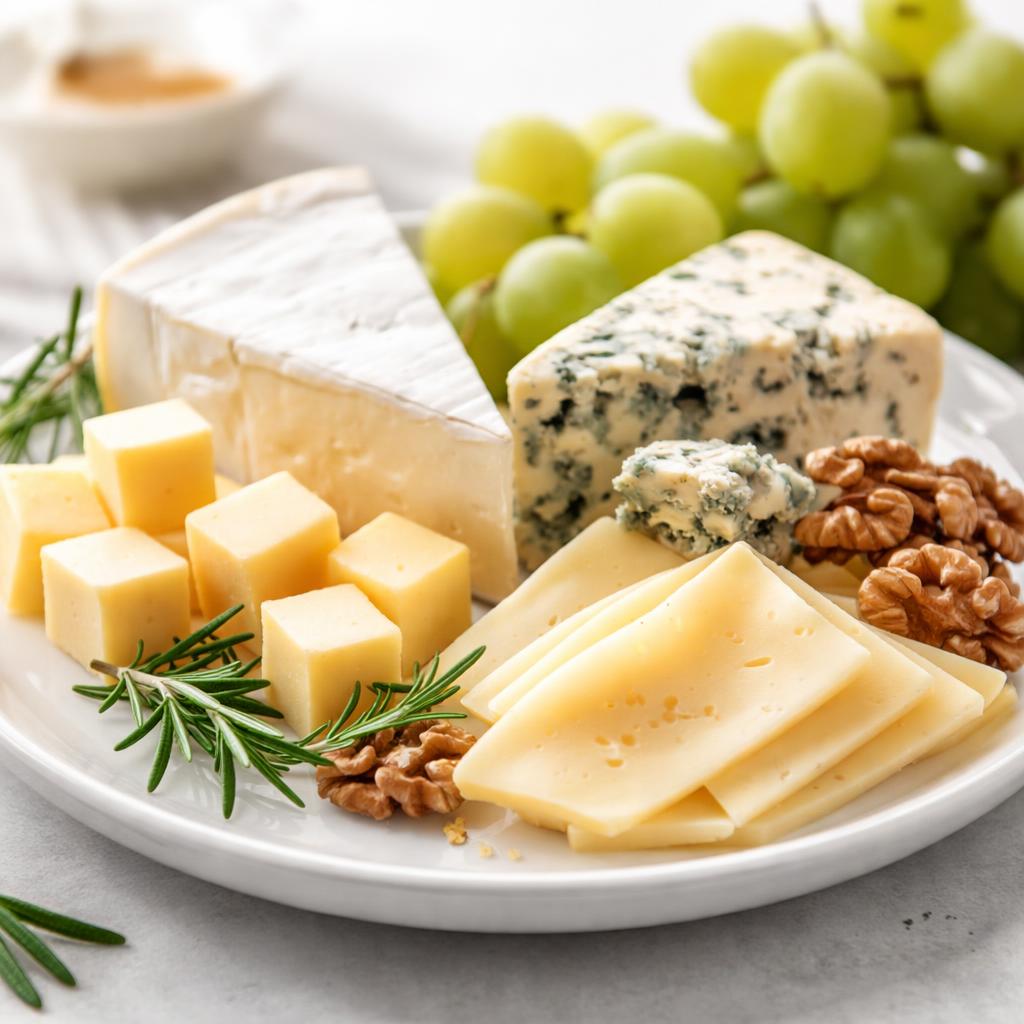
Cheese
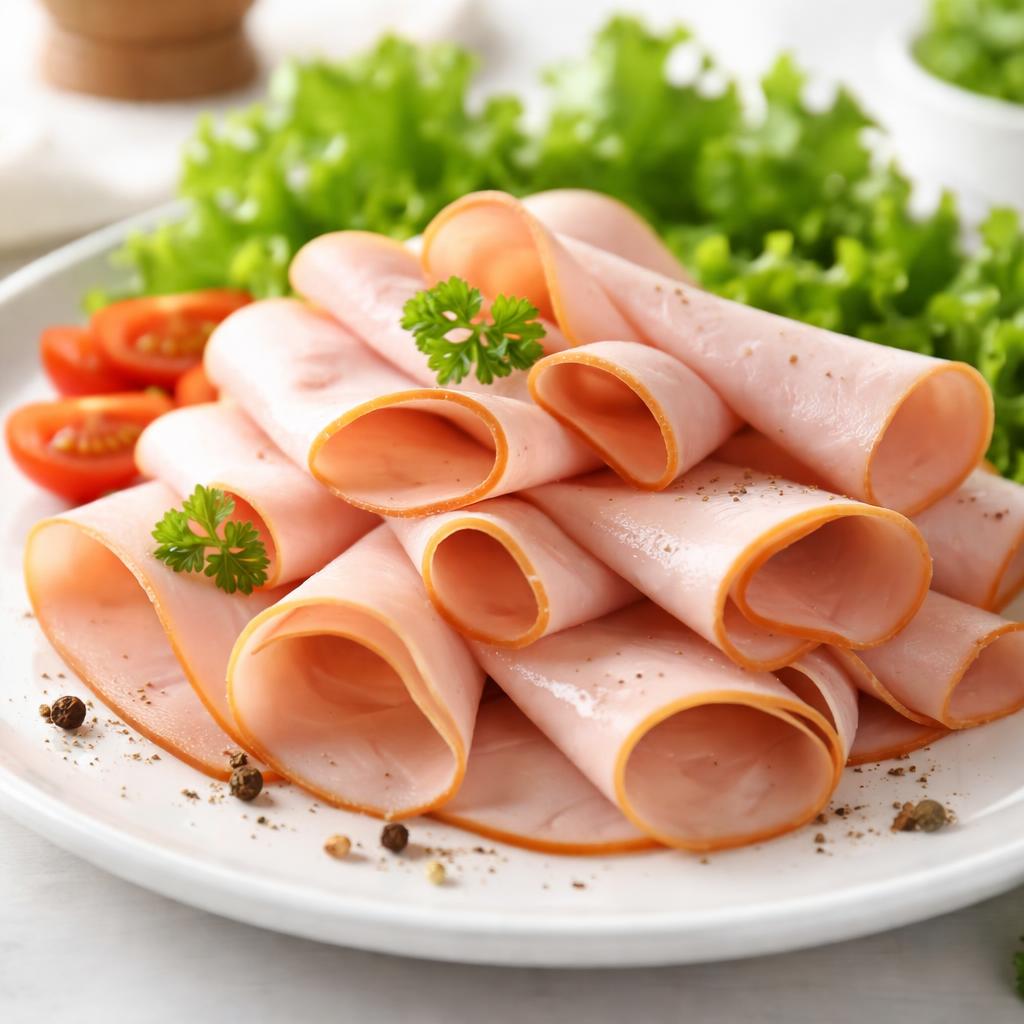
Turkey Ham
🎯 Quick Verdict
Cheese is higher in fat and calories, making it energy-dense, while turkey ham is leaner with slightly less protein but fewer calories. Cheese is a good option for adding richness and calcium to meals, whereas turkey ham is better for lean, high-protein diets without the added fat. Both are excellent sources of protein but differ widely in calorie and fat content.

Smart Nutrition Tracking with SnapCalorie

📊 Nutritional Comparison
Macronutrients
| Nutrient | Food 1 | Food 2 | Winner |
|---|---|---|---|
| Calories | 402 (per 100g) | 130 (per 100g) | ✓ |
| Protein | 25g | 25g | − |
| Carbs | 1.3g | 2g | ✓ |
| Fat | 33g | 4g | ✓ |
| Fiber | 0g | 0g | − |
Vitamins & Minerals
| Nutrient | Food 1 | Food 2 | Winner |
|---|---|---|---|
| Calcium | 721mg | 34mg | ✓ |
| Iron | 0.7mg | 1mg | ✓ |
| Vitamin D | 0.6mcg | 0mcg | ✓ |
🏆 Category Winners
Protein
Both foods provide 25g of protein per 100g, making them equally strong sources of protein.
Fiber
Neither cheese nor turkey ham contains fiber.
Calories
Turkey ham has significantly fewer calories (130) versus cheese (402) per 100g.
Vitamins
Cheese is much higher in calcium and contains vitamin D, which turkey ham lacks.
🥗 Diet Compatibility
Keto
Food 1: Compatible
Food 2: Compatible
Both foods are low-carb and fit well into a ketogenic diet.
Vegan
Food 1: Not Compatible
Food 2: Not Compatible
Both foods are animal-derived and not suitable for vegans.
Gluten Free
Food 1: Compatible
Food 2: Compatible
Neither contains gluten, making them suitable for gluten-free diets.
Paleo
Food 1: Not Compatible
Food 2: Not Compatible
Neither is suitable for strict paleo diets as cheese is dairy and turkey ham is processed.
Low-Carb
Food 1: Compatible
Food 2: Compatible
Both foods have minimal carbohydrate content, aligning with low-carb requirements.
💪 Health Benefits Comparison
Food 1 Benefits
- High in calcium, essential for bone health
- Rich in protein for muscle maintenance
- Contains healthy fats for long-lasting energy
- Includes vitamin D for immune support
Food 2 Benefits
- Lean source of protein for weight management
- Low-calorie option for calorie-controlled diets
- Contains small amounts of iron for red blood cell production
- Minimal fat content supporting heart health
✅ The Bottom Line
Choose cheese for energy density, richer flavor, and calcium benefits, especially if you're aiming for high-fat diets or fortifying meals. Opt for turkey ham if you need a lean, protein-rich addition to meals with fewer calories and fats.
Choose Food 1 for: Bone health, ketogenic diets, adding flavor to dishes
Choose Food 2 for: Weight loss, lean protein diets, low-fat, high-energy meals


