Cheese VS Turkey Bacon
A detailed nutritional comparison
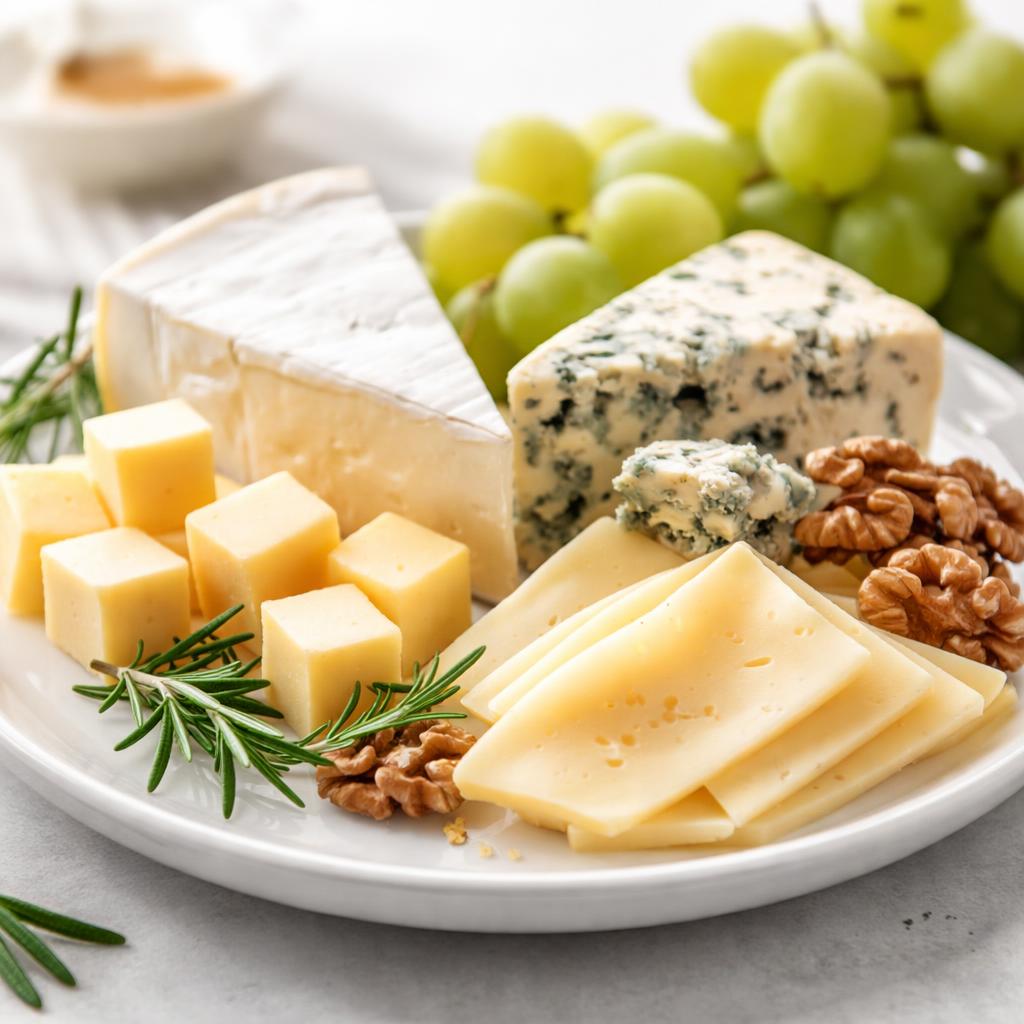
Cheese
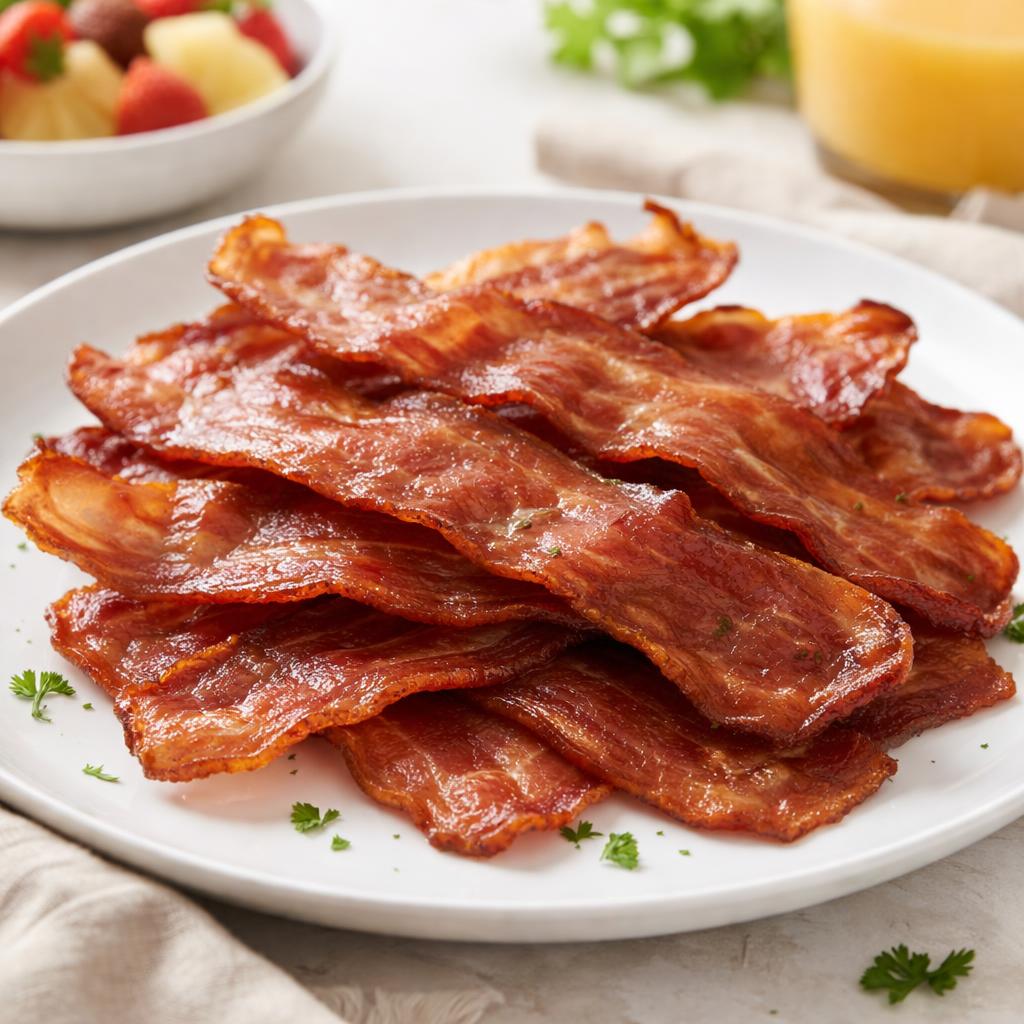
Turkey Bacon
🎯 Quick Verdict
Cheese and turkey bacon differ significantly in their nutritional profiles. Cheese is higher in fat and calcium, making it a rich source of energy and essential minerals. Turkey bacon is lower in calories and fat while offering more protein per serving, making it ideal for high-protein diets or weight management plans.

Smart Nutrition Tracking with SnapCalorie

📊 Nutritional Comparison
Macronutrients
| Nutrient | Food 1 | Food 2 | Winner |
|---|---|---|---|
| Calories | 113 (per 1 oz) | 60 (per 1 slice) | ✓ |
| Protein | 7g | 6g | ✓ |
| Carbs | 1g | 0g | ✓ |
| Fat | 9g | 4.5g | ✓ |
| Fiber | 0g | 0g | − |
Vitamins & Minerals
| Nutrient | Food 1 | Food 2 | Winner |
|---|---|---|---|
| Vitamin D | 0.2mcg | 0.4mcg | ✓ |
| Calcium | 200mg | 4mg | ✓ |
| Iron | 0mg | 0.3mg | ✓ |
🏆 Category Winners
Protein
Turkey bacon has slightly higher protein density per calorie compared to cheese.
Fiber
Neither food contains dietary fiber.
Calories
Turkey bacon has almost half the calorie content per serving compared to cheese.
Vitamins
Cheese delivers significantly more calcium, which is critical for bone health.
🥗 Diet Compatibility
Keto
Food 1: Compatible
Food 2: Compatible
Both are low in carbs and fit well into a ketogenic diet.
Vegan
Food 1: Not Compatible
Food 2: Not Compatible
Both foods are animal-derived products.
Gluten Free
Food 1: Compatible
Food 2: Compatible
Neither contains gluten.
Paleo
Food 1: Not Compatible
Food 2: Compatible
Turkey bacon can fit Paleo guidelines, while cheese is excluded due to dairy content.
Low-Carb
Food 1: Compatible
Food 2: Compatible
Both foods are low in carbohydrates.
💪 Health Benefits Comparison
Food 1 Benefits
- High in calcium for strong bones and teeth
- Rich in healthy fats for satiety and energy
- Contains conjugated linoleic acid (CLA), which might support fat loss and heart health
Food 2 Benefits
- Low in calories for easier weight management
- Good source of protein to support muscle repair
- Contains less saturated fat compared to traditional bacon, which is healthier for heart health
✅ The Bottom Line
Cheese and turkey bacon can both be valuable additions to different diets depending on goals and preferences. Cheese is nutrient-rich, high in calcium, and good for keto or low-carb diets but is calorie-dense. Turkey bacon is lower in calories and fat, making it a better fit for weight loss plans and protein-focused diets.
Choose Food 1 for: Bone health, keto diets, energy-dense meals
Choose Food 2 for: Weight management, high-protein diets, heart-conscious eating


