Cheese VS Taco
A detailed nutritional comparison
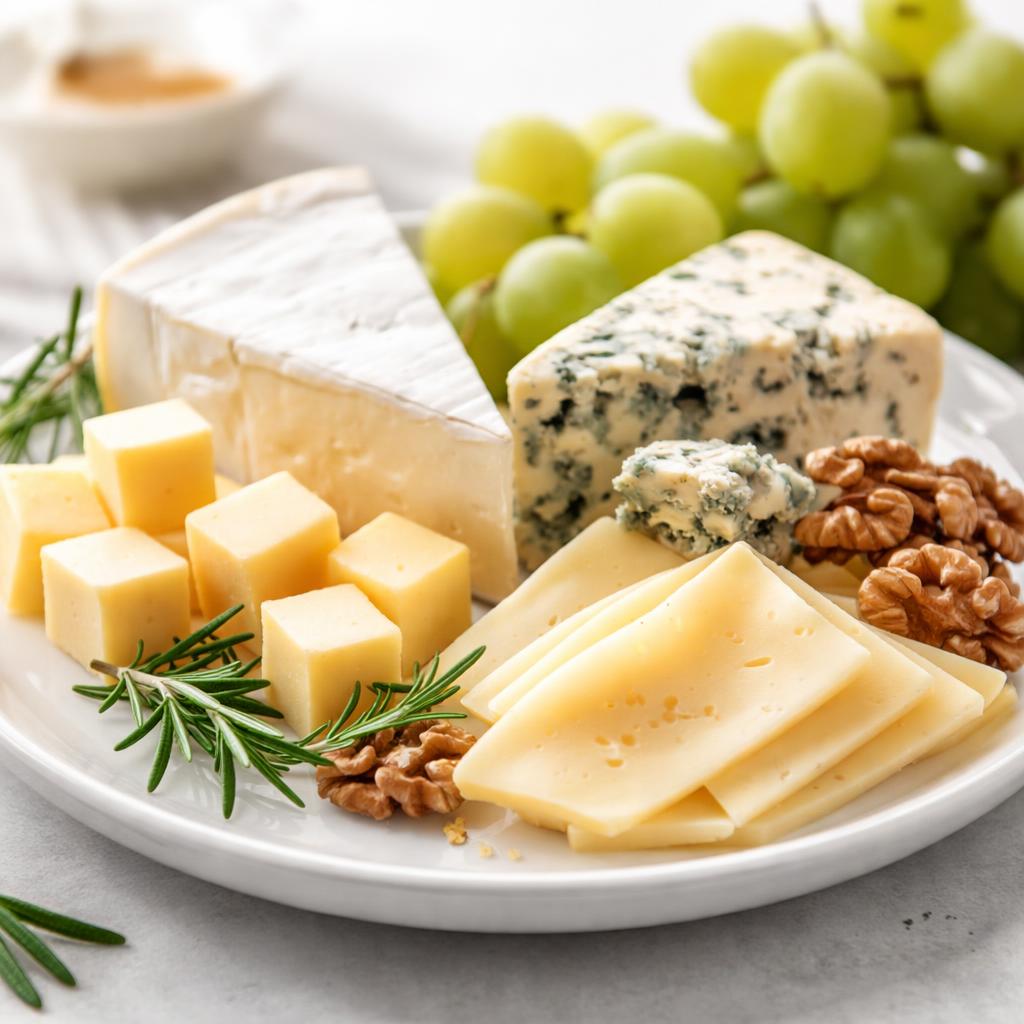
Cheese
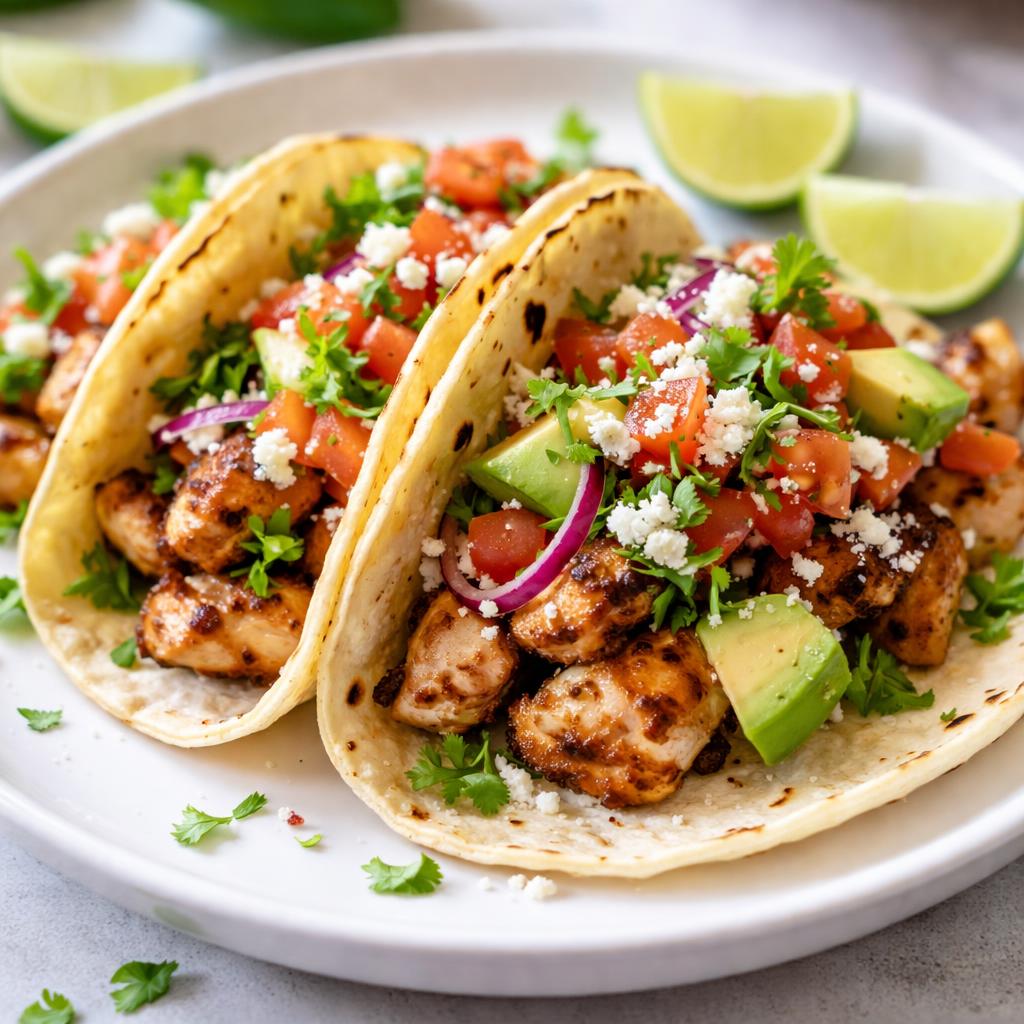
Taco
🎯 Quick Verdict
Cheese and tacos differ significantly in nutritional profiles. Cheese is higher in protein and lower in calories, making it great for high-protein or weight-focused diets. Tacos, on the other hand, provide fiber, varied vitamins, and carbohydrates, making them suitable for balanced meals or energy needs.

Smart Nutrition Tracking with SnapCalorie

📊 Nutritional Comparison
Macronutrients
| Nutrient | Food 1 | Food 2 | Winner |
|---|---|---|---|
| Calories | 110 per 1oz (28g) | 170 per taco (approx. 100g) | ✓ |
| Protein | 7g | 6g | ✓ |
| Carbs | 0.4g | 20g | ✓ |
| Fat | 9g | 8g | ✓ |
| Fiber | 0g | 2.5g | ✓ |
Vitamins & Minerals
| Nutrient | Food 1 | Food 2 | Winner |
|---|---|---|---|
| Vitamin D | 0.9mcg | 0.3mcg | ✓ |
| Calcium | 200mg | 85mg | ✓ |
| Iron | 0.1mg | 1.3mg | ✓ |
| Vitamin C | 0mg | 8mg | ✓ |
🏆 Category Winners
Protein
Cheese provides slightly more protein per serving than tacos.
Fiber
Tacos provide dietary fiber, while cheese contains none.
Calories
Cheese has notably lower calories per serving compared to tacos.
Vitamins
Tacos have a broader range of vitamins, including Vitamin C and iron.
🥗 Diet Compatibility
Keto
Food 1: Compatible
Food 2: Not Compatible
Cheese is low-carb while tacos contain significant carbs.
Vegan
Food 1: Not Compatible
Food 2: Not Compatible
Both foods contain animal-based ingredients.
Gluten Free
Food 1: Compatible
Food 2: Not Compatible
Tacos frequently contain gluten unless made with gluten-free shells.
Paleo
Food 1: Partially Compatible
Food 2: Not Compatible
Cheese is borderline for paleo diets; tacos often contain processed ingredients.
Low Carb
Food 1: Compatible
Food 2: Not Compatible
Cheese qualifies as low-carb with under 1g carbs per serving.
💪 Health Benefits Comparison
Food 1 Benefits
- Rich in protein for muscle maintenance
- Good source of calcium for bone health
- Contains healthy fats for satiety
- Provides Vitamin D for immune and bone support
Food 2 Benefits
- Provides dietary fiber for digestion
- Rich in iron for oxygen transport in blood
- Good source of Vitamin C for immune function
- Contains a mix of macronutrients for balanced energy
✅ The Bottom Line
Choose cheese when prioritizing protein, healthy fats, and low-carb diets. Opt for tacos if seeking a balanced meal with fiber, carbs, and a variety of micronutrients.
Choose Food 1 for: Keto diets, calcium intake, low-carb snacks
Choose Food 2 for: High-energy meals, fiber needs, moderate calorie balance


