Cheese VS Sub Sandwich
A detailed nutritional comparison
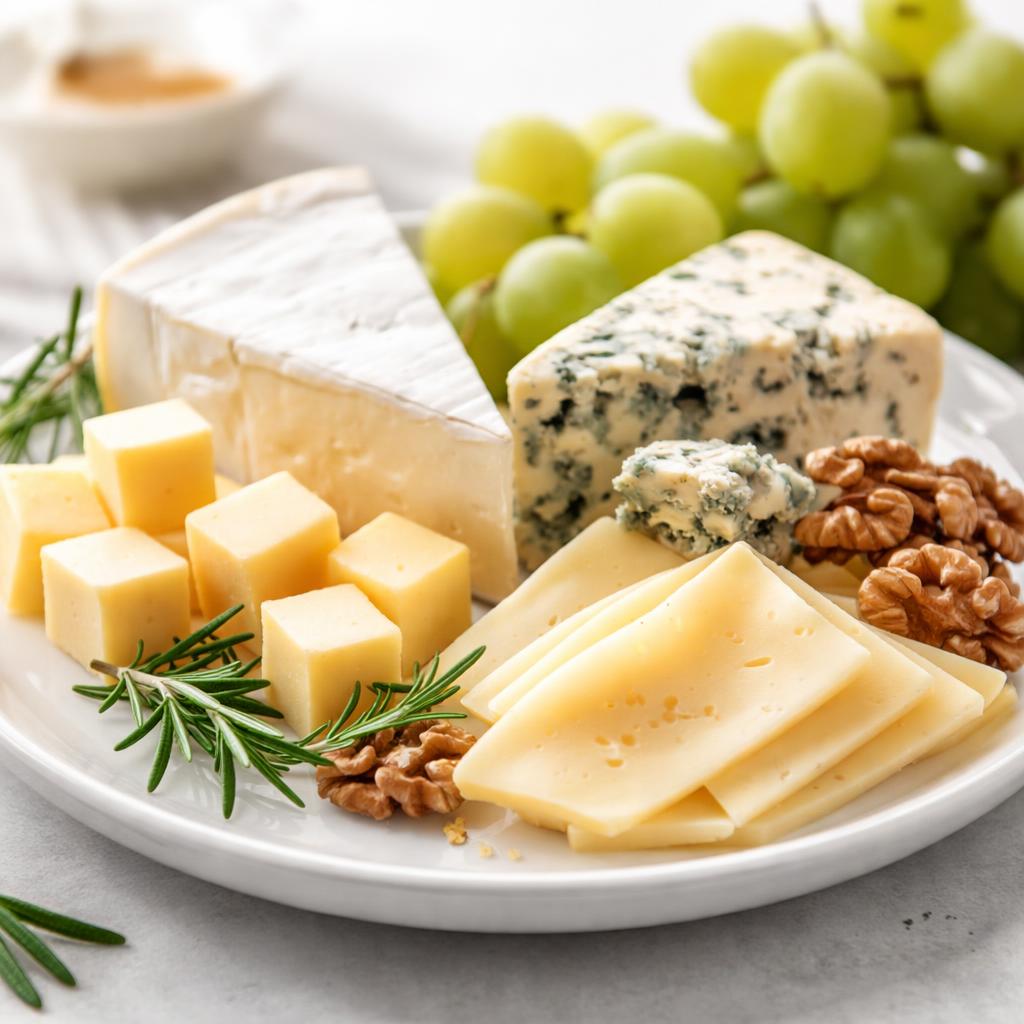
Cheese
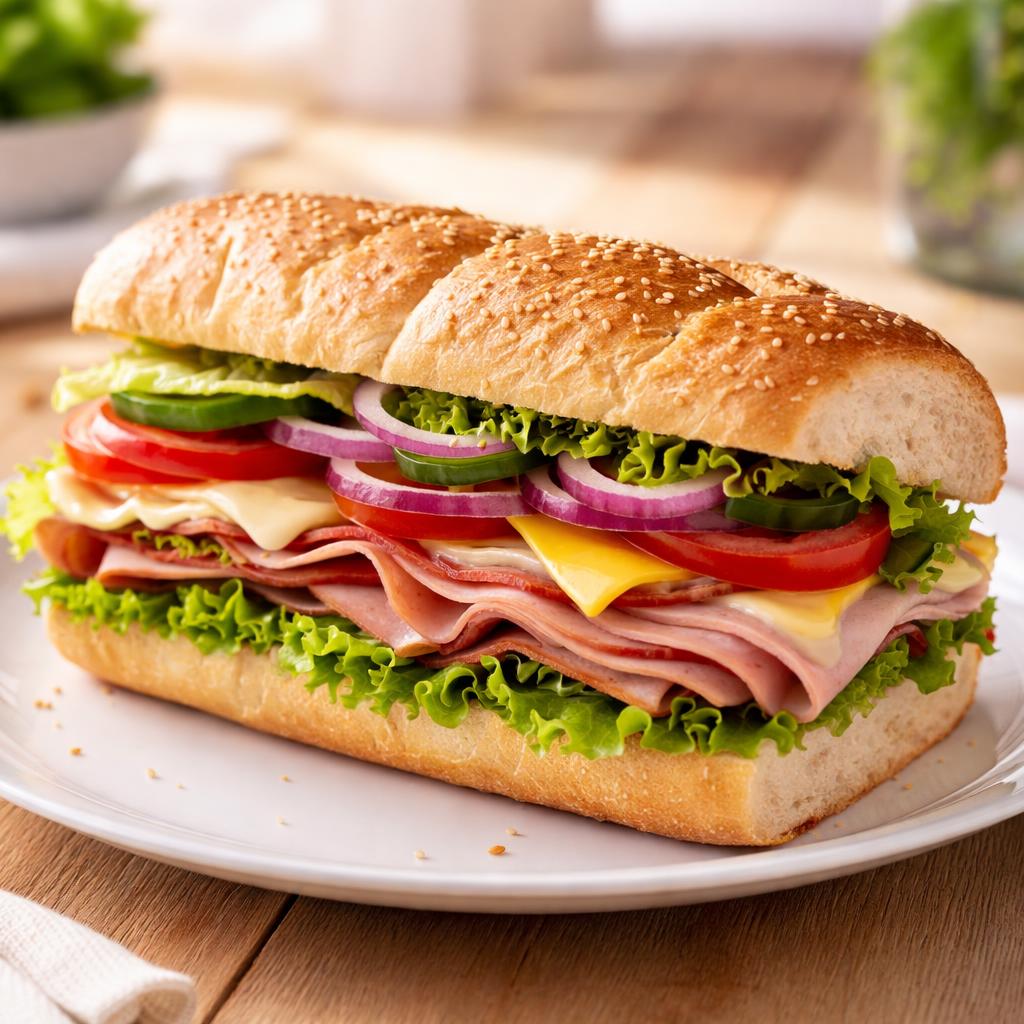
Sub Sandwich
🎯 Quick Verdict
Cheese is a higher-protein, lower-calorie food best suited for weight loss and muscle-building diets. Sub sandwiches provide more fiber and a balanced mix of carbs, fats, and protein, ideal for energy and heart health. Both foods have value depending on dietary goals and occasions.

Smart Nutrition Tracking with SnapCalorie

📊 Nutritional Comparison
Macronutrients
| Nutrient | Food 1 | Food 2 | Winner |
|---|---|---|---|
| Calories | 113 | 300 | ✓ |
| Protein | 7g | 12g | ✓ |
| Carbs | 1g | 40g | ✓ |
| Fat | 9g | 9g | − |
| Fiber | 0g | 3g | ✓ |
Vitamins & Minerals
| Nutrient | Food 1 | Food 2 | Winner |
|---|---|---|---|
| Vitamin D | 0.2mcg | 0.1mcg | ✓ |
| Calcium | 200mg | 50mg | ✓ |
| Iron | 0.1mg | 2mg | ✓ |
🏆 Category Winners
Protein
Food2 (sub sandwich) provides 71% more protein per serving.
Fiber
Food2 contains dietary fiber, while Food1 (cheese) has none.
Calories
Food1 has approximately 62% fewer calories per serving.
🥗 Diet Compatibility
Keto
Food 1: Compatible
Food 2: Not Compatible
Food1 (cheese) is low-carb, making it ideal for keto diets.
Vegan
Food 1: Not Compatible
Food 2: Not Compatible
Neither food is suitable for vegan diets as both contain animal-derived ingredients.
Gluten Free
Food 1: Compatible
Food 2: Not Compatible
Food1 (cheese) is naturally gluten-free, while Food2 (sub sandwich) may contain gluten from bread.
Paleo
Food 1: Not Compatible
Food 2: Not Compatible
Cheese and sub sandwiches are not typical paleo-approved foods due to dairy and processed grains.
Low Carb
Food 1: Compatible
Food 2: Not Compatible
Cheese fits low-carb diets with just 1g of carbs per serving, unlike the sub sandwich with 40g.
💪 Health Benefits Comparison
Food 1 Benefits
- High in calcium to support bone health
- Contains healthy fats for hormonal balance
- Provides protein for muscle repair
- Rich in vitamin D to improve calcium absorption
Food 2 Benefits
- Provides dietary fiber for digestion
- Balanced macronutrients for sustained energy
- Contains iron to support oxygen transport
- Good source of complex carbohydrates for long-lasting energy
✅ The Bottom Line
Choose cheese when aiming for high-protein, low-calorie options suitable for keto or low-carb diets. Sub sandwiches are better for fiber intake and energy balance, making them suitable for active lifestyles or filling meals. Both serve different purposes based on dietary goals.
Choose Food 1 for: Low-carb diets, keto plans, muscle-building, calcium supplementation
Choose Food 2 for: Pre-workout meals, busy lifestyles, diets requiring fiber and iron


