Cheese VS Sliced Tomatoes
A detailed nutritional comparison
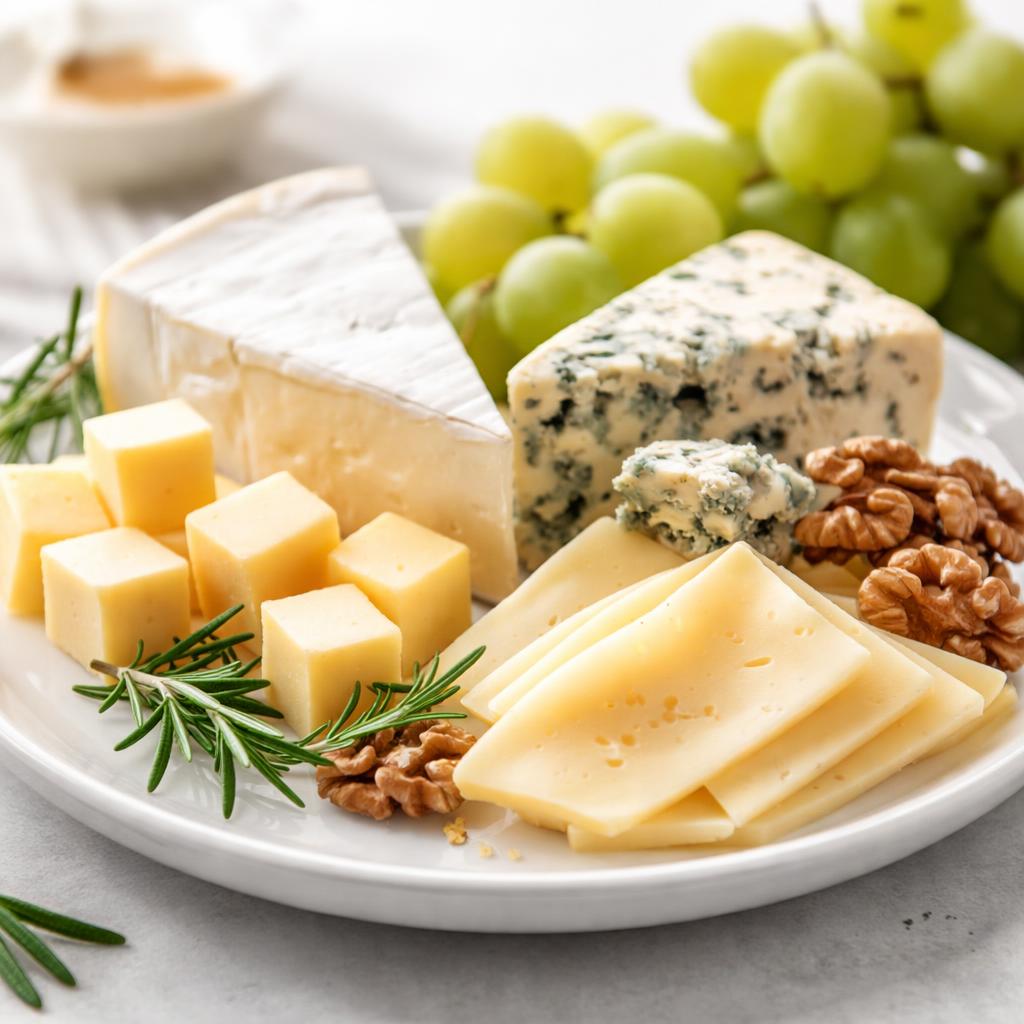
Cheese
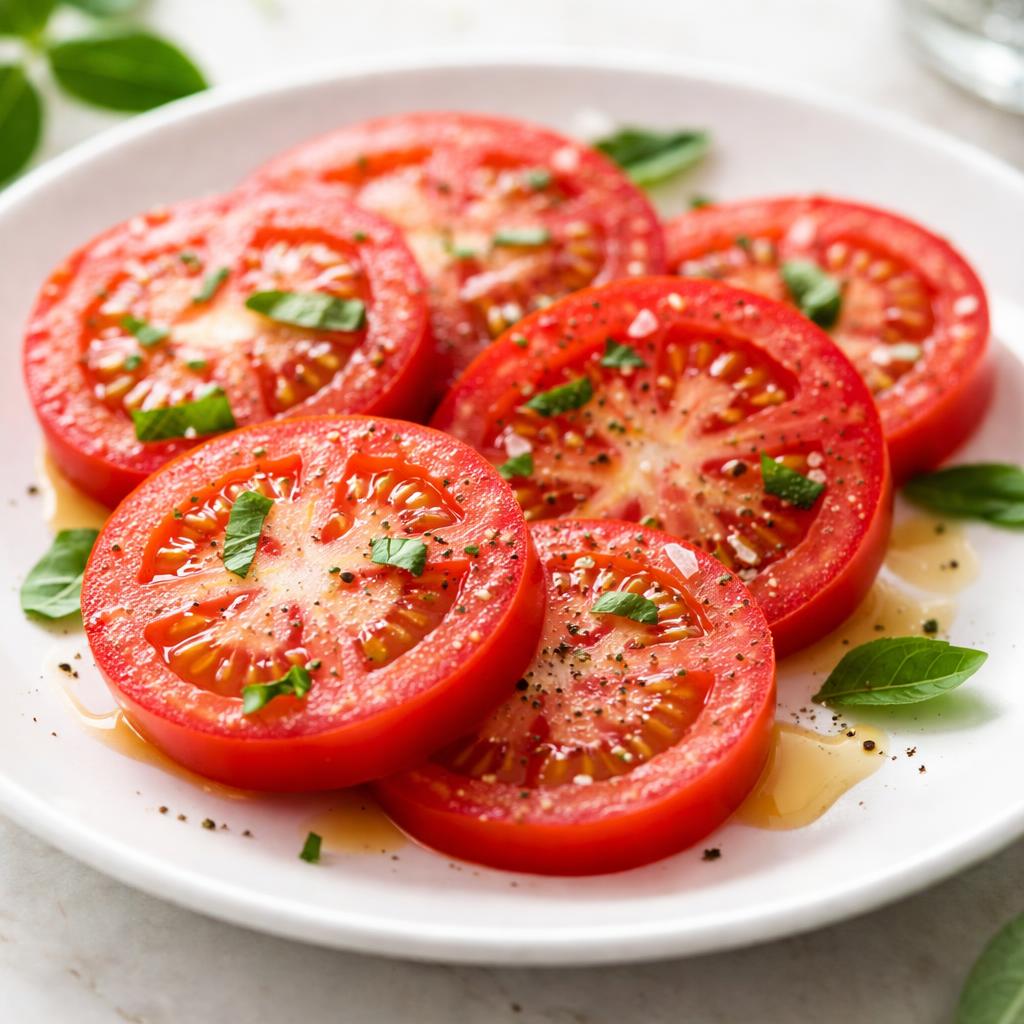
Sliced Tomatoes
🎯 Quick Verdict
Cheese and sliced tomatoes serve different nutritional purposes. Cheese is high in protein, fats, and calcium, making it ideal for muscle building or low-carb diets. Tomatoes are low-calorie, fiber-rich, and packed with antioxidants, perfect for weight loss and heart health. Both offer unique benefits for diverse dietary needs.

Smart Nutrition Tracking with SnapCalorie

📊 Nutritional Comparison
Macronutrients
| Nutrient | Food 1 | Food 2 | Winner |
|---|---|---|---|
| Calories | 110 (per 1oz) | 18 (per 1 medium slice) | ✓ |
| Protein | 7g | 1g | ✓ |
| Carbs | 1g | 4g | ✓ |
| Fat | 9g | 0g | ✓ |
| Fiber | 0g | 1g | ✓ |
Vitamins & Minerals
| Nutrient | Food 1 | Food 2 | Winner |
|---|---|---|---|
| Vitamin A | 300 IU | 1025 IU | ✓ |
| Vitamin C | 0mg | 16mg | ✓ |
| Calcium | 200mg | 12mg | ✓ |
| Iron | 0.2mg | 0.3mg | ✓ |
🏆 Category Winners
Protein
Cheese provides 7g protein per 1oz serving, significantly more than the 1g found in tomatoes.
Fiber
Tomatoes provide dietary fiber (1g per slice vs 0g in cheese).
Calories
Tomatoes are very low in calories, with only 18 per serving compared to cheese's 110 calories.
Vitamins
Tomatoes are rich in Vitamin A and Vitamin C, while cheese primarily provides calcium.
🥗 Diet Compatibility
Keto
Food 1: Compatible
Food 2: Not Compatible
Cheese is high in fat and low-carb, ideal for keto diets.
Vegan
Food 1: Not Compatible
Food 2: Compatible
Tomatoes are plant-based, while cheese comes from dairy.
Gluten Free
Food 1: Compatible
Food 2: Compatible
Neither food contains gluten.
Paleo
Food 1: Not Compatible
Food 2: Compatible
Tomatoes align with the paleo diet; cheese does not due to its dairy origin.
Low-Carb
Food 1: Compatible
Food 2: Compatible
Both foods are relatively low in carbohydrates, though cheese is extremely low-carb (1g vs 4g).
💪 Health Benefits Comparison
Food 1 Benefits
- Rich in protein for muscle maintenance and repair
- High in calcium for bone health
- Good source of healthy fats for sustained energy
Food 2 Benefits
- Low in calories, supporting weight management
- High in Vitamin C for immune health and skin repair
- Rich in antioxidants like lycopene for heart health
✅ The Bottom Line
Cheese is best for those seeking a protein-rich option, ideal for muscle maintenance or low-carb diets. Tomatoes suit weight loss or as a nutrient-dense side rich in vitamins and antioxidants. Include both for a balanced diet.
Choose Food 1 for: High-protein diets, keto plans, post-workout recovery
Choose Food 2 for: Low-calorie meals, heart health, antioxidant-rich diets


