Cheese VS Side Salad
A detailed nutritional comparison
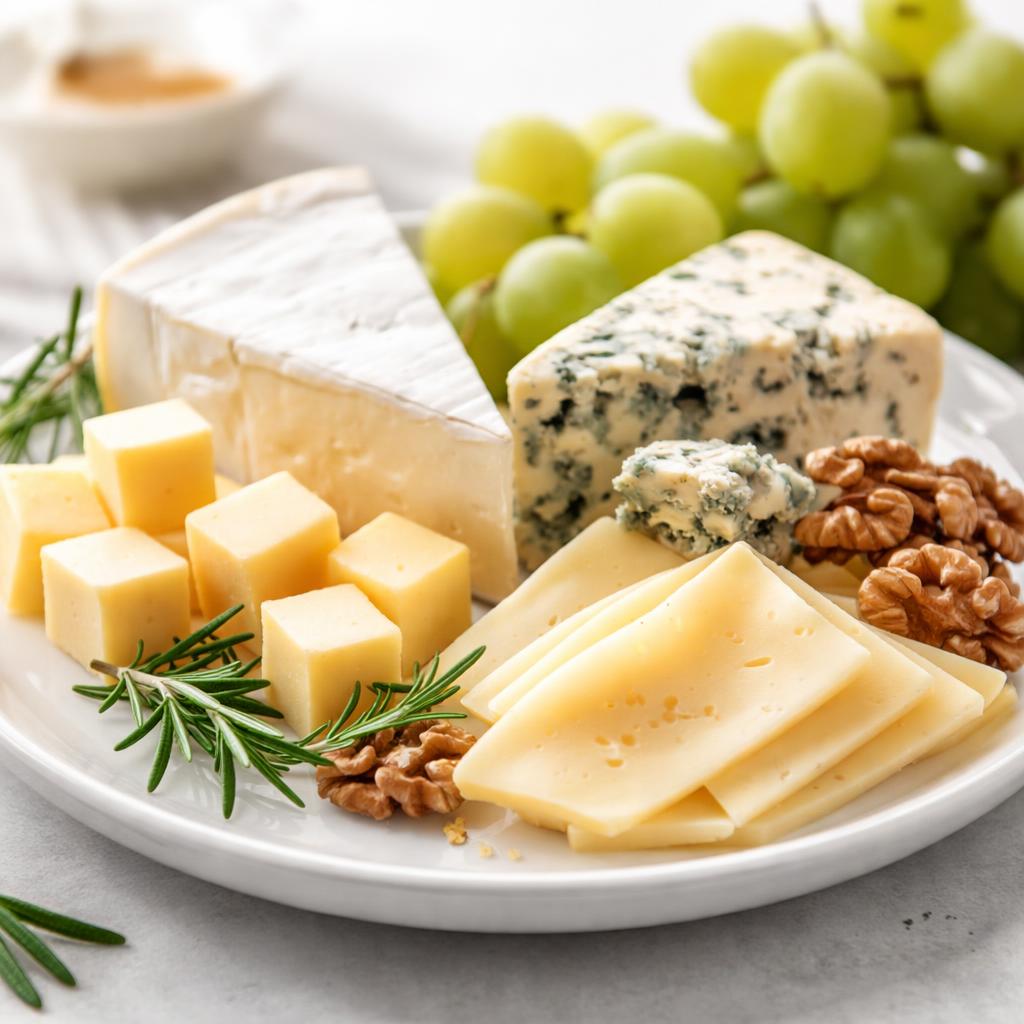
Cheese
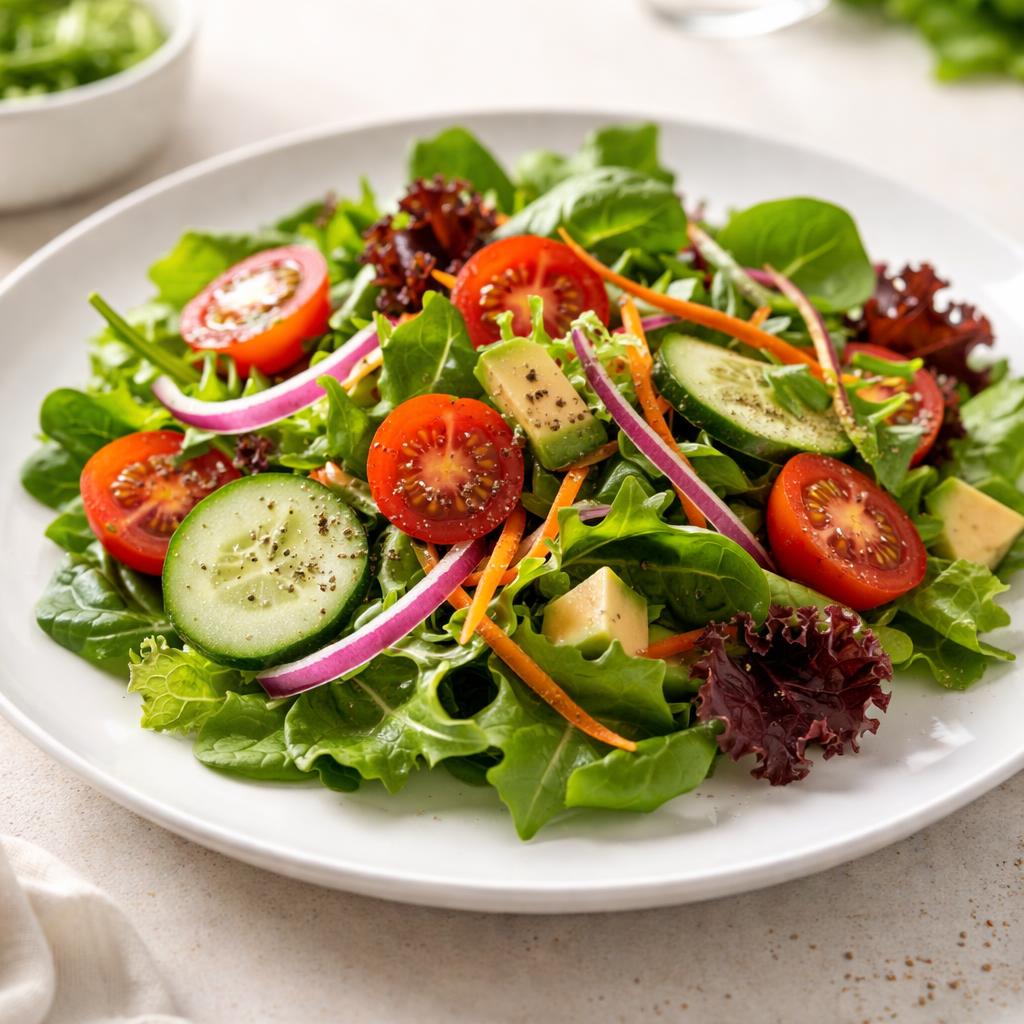
Side Salad
🎯 Quick Verdict
Cheese is significantly higher in protein and fat, making it ideal for muscle maintenance and those seeking calorie-dense options. Side salad, on the other hand, is lower in calories, rich in fiber, and packed with vitamins, making it a nutrient-dense choice for digestion and overall health. Each has its unique strengths depending on dietary goals.

Smart Nutrition Tracking with SnapCalorie

📊 Nutritional Comparison
Macronutrients
| Nutrient | Food 1 | Food 2 | Winner |
|---|---|---|---|
| Calories | 115 (per 1oz cheddar) | 30 (1 cup mixed greens) | ✓ |
| Protein | 7g | 1g | ✓ |
| Carbs | 1g | 6g | ✓ |
| Fat | 9g | 0g | ✓ |
| Fiber | 0g | 2g | ✓ |
Vitamins & Minerals
| Nutrient | Food 1 | Food 2 | Winner |
|---|---|---|---|
| Vitamin A | 300 IU | 2600 IU | ✓ |
| Vitamin C | 0mg | 15mg | ✓ |
| Calcium | 200mg | 20mg | ✓ |
| Iron | 0mg | 0.5mg | ✓ |
🏆 Category Winners
Protein
Cheese contains 7g of protein per ounce, compared to only 1g in side salads.
Fiber
Side salad provides 2g of fiber compared to 0g in cheese.
Calories
Side salad is significantly lower in calories (30 vs. 115 per serving).
Vitamins
Side salad provides a greater variety and quantity of essential vitamins, such as vitamin A and C.
🥗 Diet Compatibility
Keto
Food 1: Compatible
Food 2: Compatible
Both cheese and salads are low-carb options.
Vegan
Food 1: Not Compatible
Food 2: Compatible
Cheese is animal-based, while salad is plant-based.
Gluten Free
Food 1: Compatible
Food 2: Compatible
Neither cheese nor salads contain gluten.
Paleo
Food 1: Not Compatible
Food 2: Compatible
Cheese is not allowed in strict paleo diets, but salads fit well.
Low-Carb
Food 1: Compatible
Food 2: Compatible
Both foods are naturally low in carbohydrates.
💪 Health Benefits Comparison
Food 1 Benefits
- Rich in protein for muscle repair and maintenance
- Good source of calcium for bone health
- Contains healthy fats for satiety and energy
Food 2 Benefits
- High in fiber to support digestion
- Rich in vitamins A and C for immune health
- Low-calorie and nutrient-dense option for weight management
✅ The Bottom Line
Cheese and side salads each offer distinct advantages depending on your dietary goals. Choose cheese for protein and calorie-dense energy, especially if you're on a keto or post-workout diet. Opt for side salads for lower calories, more fiber, and a vitamin boost that fits weight loss and nutrient-focused diets.
Choose Food 1 for: Keto diets, muscle building, post-workout recovery
Choose Food 2 for: Weight loss, digestion improvement, vitamin boost


