Cheese VS Scrambled Eggs
A detailed nutritional comparison
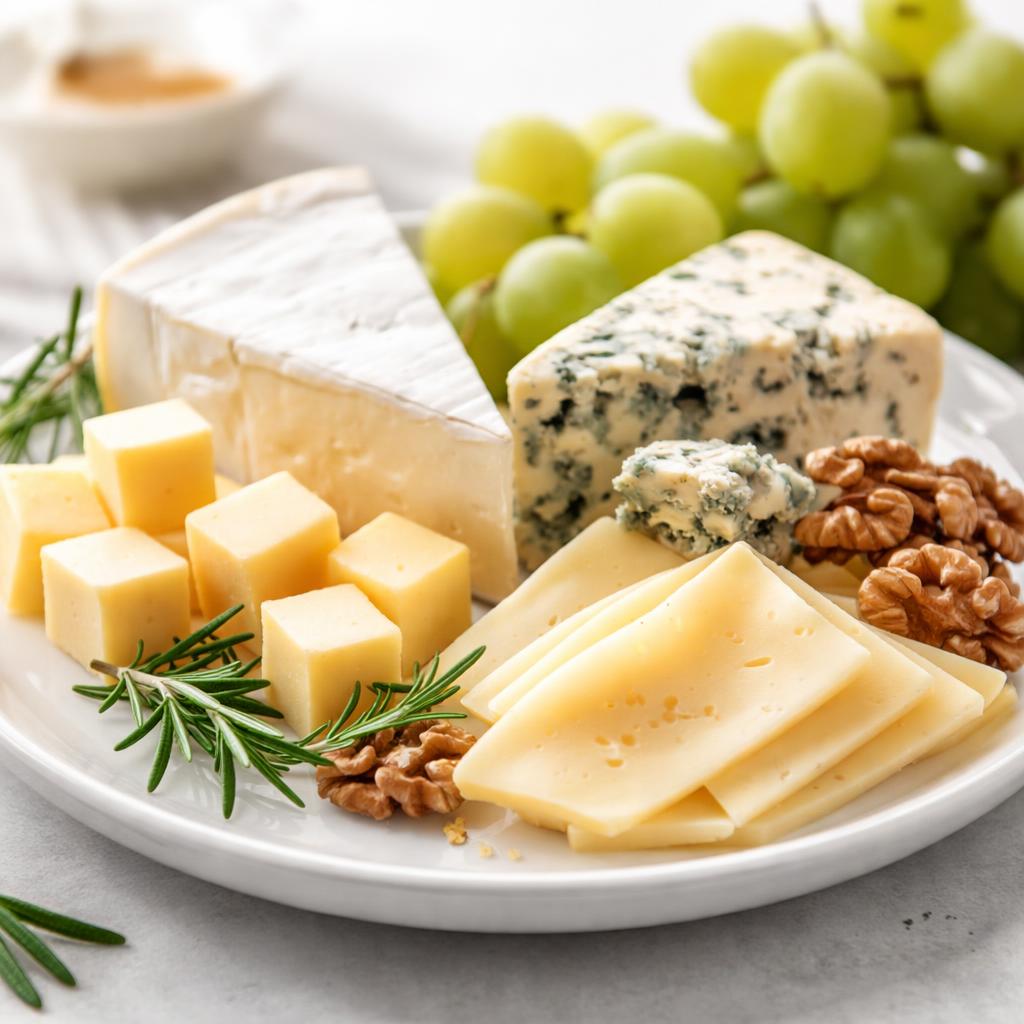
Cheese
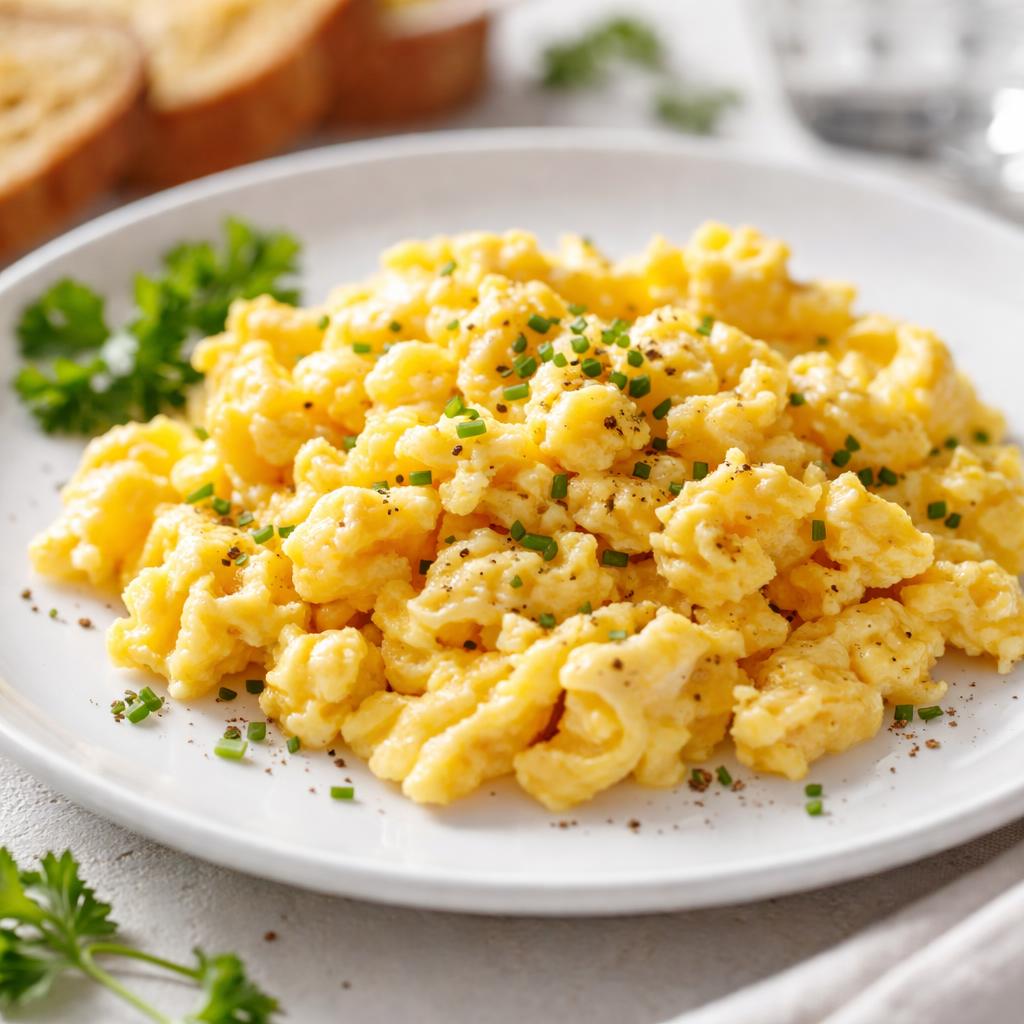
Scrambled Eggs
🎯 Quick Verdict
Cheese and scrambled eggs are both nutrient-dense foods, but they differ significantly in their composition. Scrambled eggs are higher in protein and provide essential nutrients like choline, making them a great choice for muscle building and brain health. Cheese is lower in calories but is high in fat and calcium, making it suitable for keto and bone health diets. Use cheese in moderation due to its higher saturated fat content.

Smart Nutrition Tracking with SnapCalorie

📊 Nutritional Comparison
Macronutrients
| Nutrient | Food 1 | Food 2 | Winner |
|---|---|---|---|
| Calories | 113 | 140 | ✓ |
| Protein | 7g | 10g | ✓ |
| Carbs | 1g | 1g | − |
| Fat | 9g | 10g | − |
| Fiber | 0g | 0g | − |
Vitamins & Minerals
| Nutrient | Food 1 | Food 2 | Winner |
|---|---|---|---|
| Vitamin D | 0mcg | 2mcg | ✓ |
| Calcium | 200mg | 50mg | ✓ |
| Iron | 0.1mg | 1mg | ✓ |
| Choline | 15mg | 150mg | ✓ |
🏆 Category Winners
Protein
Scrambled eggs have 43% more protein per serving.
Fiber
Neither food contains fiber.
Calories
Cheese has 19% fewer calories per serving.
Vitamins
Scrambled eggs are richer in essential vitamins, including vitamin D and choline.
🥗 Diet Compatibility
Keto
Food 1: Compatible
Food 2: Compatible
Both are low-carb and high-fat, suitable for a keto diet.
Vegan
Food 1: Not Compatible
Food 2: Not Compatible
Both are animal-based foods.
Gluten Free
Food 1: Compatible
Food 2: Compatible
Neither contains gluten.
Paleo
Food 1: Compatible
Food 2: Compatible
Both fit within paleo diet guidelines.
Low Carb
Food 1: Compatible
Food 2: Compatible
Both have minimal carbohydrate content.
💪 Health Benefits Comparison
Food 1 Benefits
- Rich in calcium for bone health
- Good source of fat for satiety and energy
- Provides small amounts of vitamin A and phosphorus
Food 2 Benefits
- High in protein to support muscle repair and growth
- Rich in choline for brain function and cellular health
- Provides vitamin D and iron for bone and blood health
✅ The Bottom Line
Scrambled eggs offer higher protein and vital nutrients like choline and vitamin D, making them ideal for muscle-building, brain health, and overall nutritional balance. Cheese is lower in calories and richer in calcium, which supports bone health, but its higher fat and saturated fat content may require moderate consumption in certain diets.
Choose Food 1 for: Bone health, keto diets, low-calorie snacking
Choose Food 2 for: Muscle building, brain health, nutrient-rich meals


