Cheese VS Roast Beef Sandwich
A detailed nutritional comparison
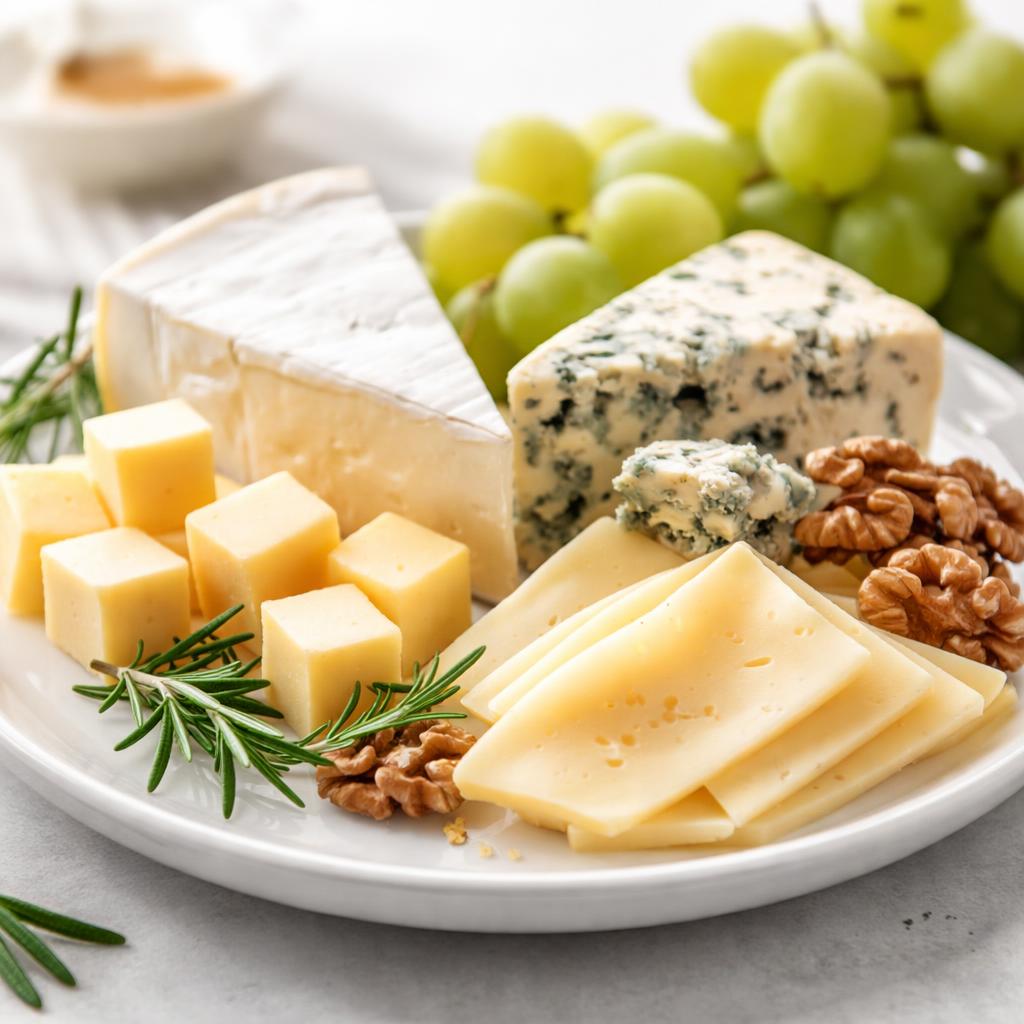
Cheese
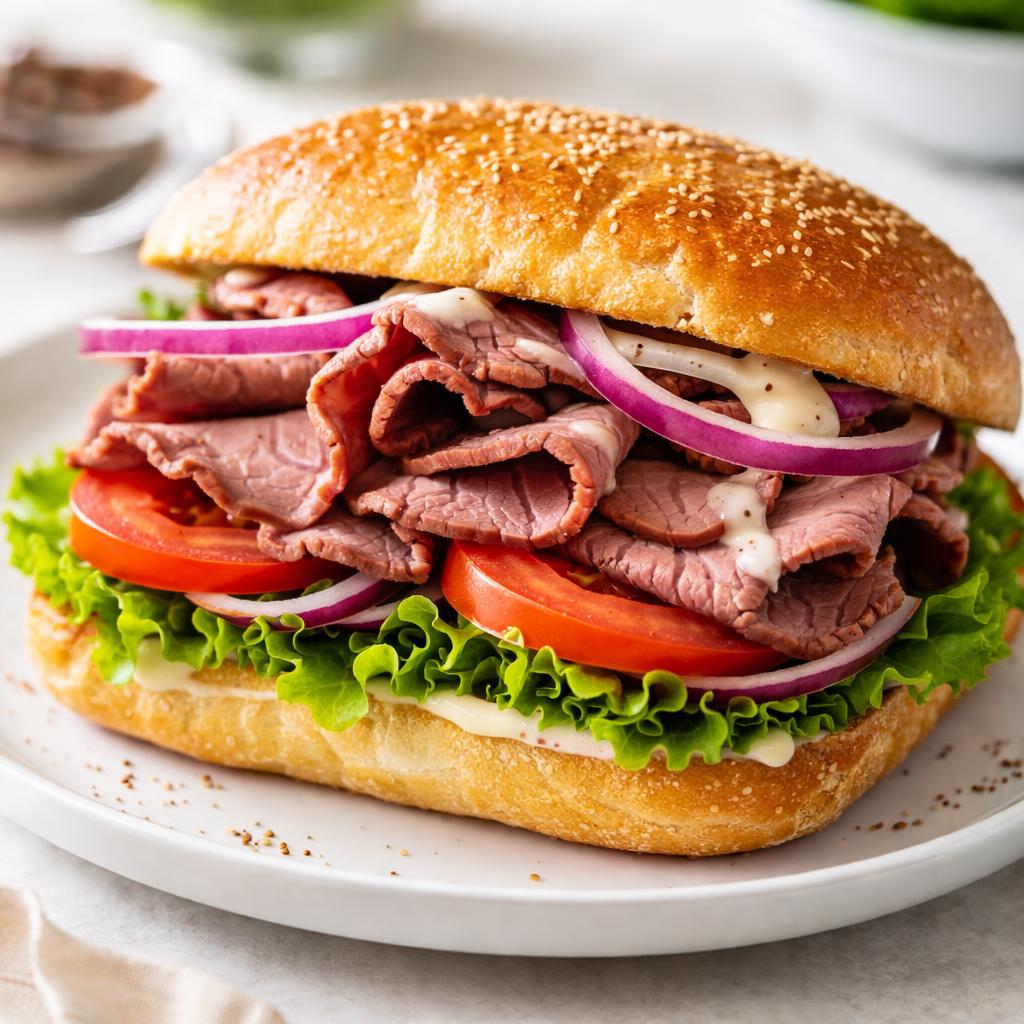
Roast Beef Sandwich
🎯 Quick Verdict
Cheese is calorie-dense and packed with fats and proteins, making it ideal for keto diets or muscle maintenance. Roast beef sandwich provides a more balanced nutrient profile with higher protein and fiber, alongside healthy carbs, making it better suited for meal replacement or post-workout energy needs.

Smart Nutrition Tracking with SnapCalorie

📊 Nutritional Comparison
Macronutrients
| Nutrient | Food 1 | Food 2 | Winner |
|---|---|---|---|
| Calories | 150 calories (per 1 oz) | 300 calories (per sandwich) | ✓ |
| Protein | 7g (per 1 oz) | 20g (per sandwich) | ✓ |
| Carbs | 1g | 30g | ✓ |
| Fat | 12g | 10g | ✓ |
| Fiber | 0g | 3g | ✓ |
Vitamins & Minerals
| Nutrient | Food 1 | Food 2 | Winner |
|---|---|---|---|
| Vitamin D | 0.2mcg | 0mcg | ✓ |
| Calcium | 200mg | 40mg | ✓ |
| Iron | 0.2mg | 2mg | ✓ |
🏆 Category Winners
Protein
Food2 (roast beef sandwich) provides nearly three times the protein per serving.
Fiber
Food2 has 3g of fiber compared to 0g in cheese, supporting digestion.
Calories
Food1 has fewer calories per serving (150 vs 300).
🥗 Diet Compatibility
Keto
Food 1: Compatible
Food 2: Not Compatible
Cheese is low-carb (<1g per serving).
Vegan
Food 1: Not Compatible
Food 2: Not Compatible
Both contain animal products.
Gluten Free
Food 1: Compatible
Food 2: Not Compatible
Cheese is naturally gluten-free; sandwiches often include bread containing gluten.
Paleo
Food 1: Not Compatible
Food 2: Not Compatible
Cheese is not paleo; bread in the sandwich makes it incompatible.
Low-Carb
Food 1: Compatible
Food 2: Not Compatible
Cheese is inherently low-carb, while sandwiches typically contain significant carbs.
💪 Health Benefits Comparison
Food 1 Benefits
- Rich source of calcium for bone health
- Good fats for brain function and energy
- Supports muscle repair with protein
Food 2 Benefits
- High protein content aids muscle growth
- Moderate fiber supports digestion and gut health
- Carbohydrates provide sustained energy
✅ The Bottom Line
Choose cheese for low-carb diets, keto, and adding high-quality fats to your meals. Opt for roast beef sandwiches if looking for a balanced meal with protein, fiber, and healthy carbs to fuel daily activities or recovery.
Choose Food 1 for: Keto diets, high-fat diets, snacking
Choose Food 2 for: Post-workout recovery, meal replacement, energy boost


