Cheese VS Pumpkin
A detailed nutritional comparison
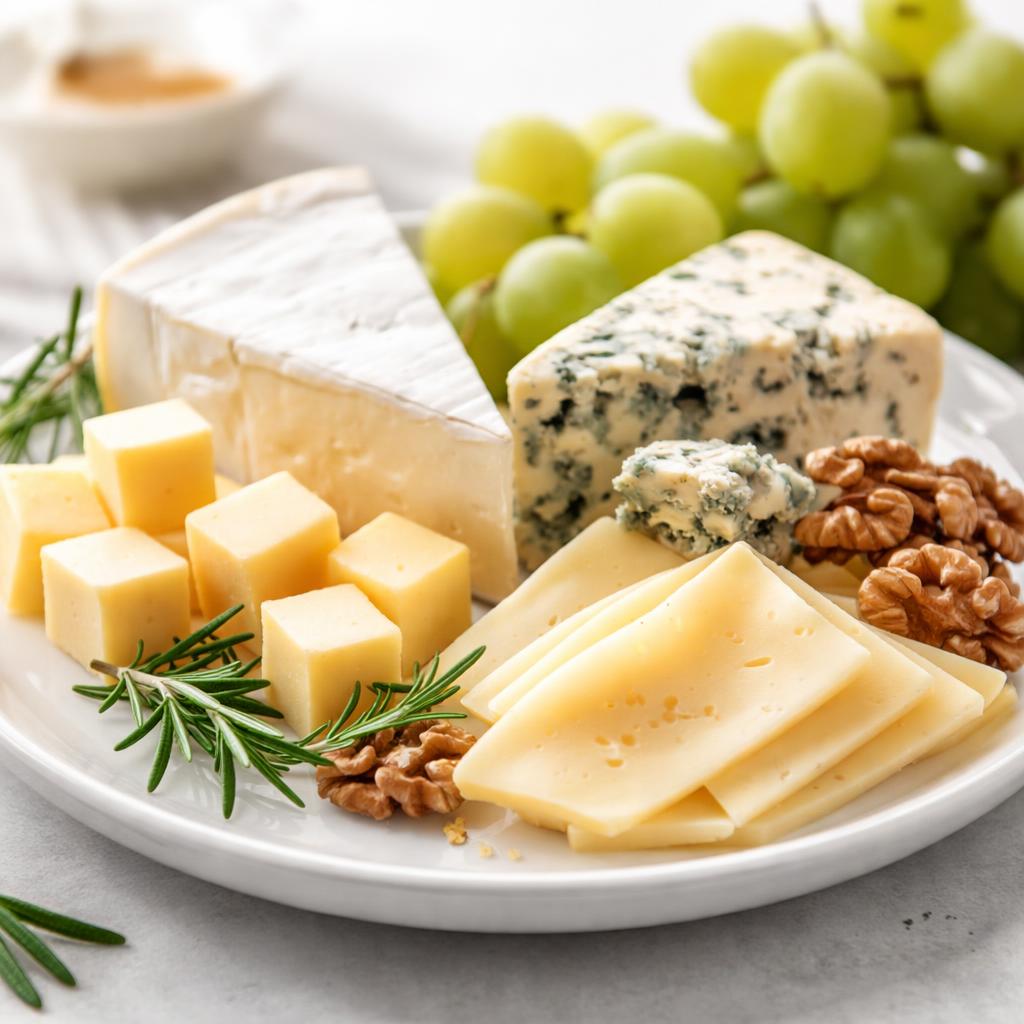
Cheese
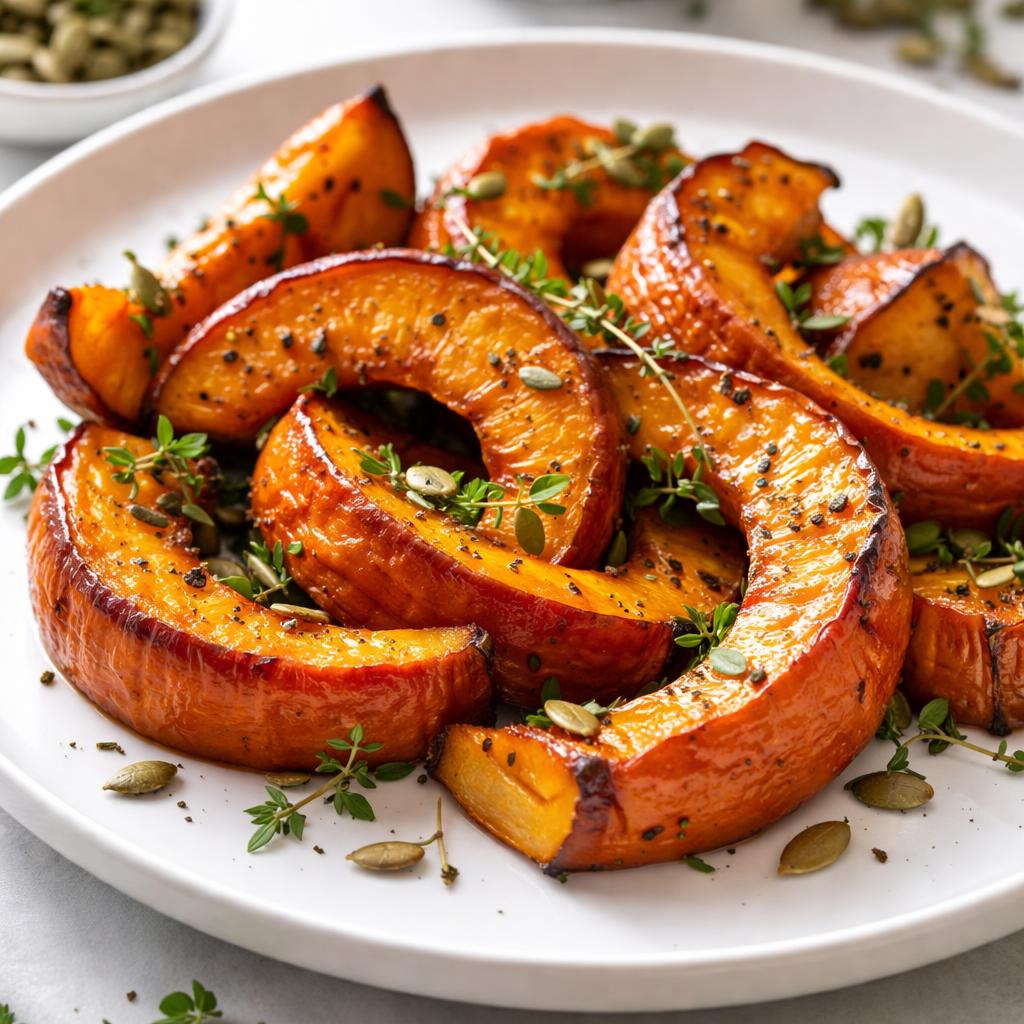
Pumpkin
🎯 Quick Verdict
Cheese and pumpkin are nutritionally distinct, offering very different benefits. Cheese excels in protein and calcium, making it great for muscle and bone health, whereas pumpkin is lower in calories and rich in fiber, vitamins A and C, supporting digestion and immune health. Cheese is ideal for keto and high-protein diets, while pumpkin is optimal for weight loss and nutrient-dense, plant-based meals.

Smart Nutrition Tracking with SnapCalorie

📊 Nutritional Comparison
Macronutrients
| Nutrient | Food 1 | Food 2 | Winner |
|---|---|---|---|
| Calories | 402 per 100g | 26 per 100g | ✓ |
| Protein | 25g per 100g | 1g per 100g | ✓ |
| Carbs | 1.3g per 100g | 6.5g per 100g | ✓ |
| Fat | 33g per 100g | 0.1g per 100g | ✓ |
| Fiber | 0g per 100g | 0.5g per 100g | ✓ |
Vitamins & Minerals
| Nutrient | Food 1 | Food 2 | Winner |
|---|---|---|---|
| Vitamin A | 281 IU per 100g | 8500 IU per 100g | ✓ |
| Calcium | 721mg per 100g | 21mg per 100g | ✓ |
| Vitamin C | 0mg per 100g | 9mg per 100g | ✓ |
| Potassium | 85mg per 100g | 340mg per 100g | ✓ |
🏆 Category Winners
Protein
With 25g of protein per 100g versus 1g in pumpkin, cheese is significantly higher in protein.
Fiber
Pumpkin contains 0.5g of fiber per 100g, while cheese lacks dietary fiber entirely.
Calories
Pumpkin is much lower in calories (26 per 100g vs 402 per 100g in cheese).
Vitamins
Pumpkin outshines cheese in vitamins, especially A and C, essential for eye health and immunity.
🥗 Diet Compatibility
Keto
Food 1: Compatible
Food 2: Moderately Compatible
Cheese is low-carb and high-fat, aligning perfectly with keto. Pumpkin is higher in carbs but can fit into keto diets in small amounts.
Vegan
Food 1: Not Compatible
Food 2: Compatible
Pumpkin is fully plant-based, while cheese is animal-derived.
Gluten Free
Food 1: Compatible
Food 2: Compatible
Neither cheese nor pumpkin contains gluten.
Paleo
Food 1: Not Compatible
Food 2: Compatible
Cheese is not paleo-friendly due to dairy, while pumpkin is compliant.
Low Carb
Food 1: Compatible
Food 2: Moderately Compatible
Cheese is extremely low-carb (1.3g per 100g), whereas pumpkin has moderate carbs (6.5g per 100g).
💪 Health Benefits Comparison
Food 1 Benefits
- Excellent source of protein for muscle growth and repair
- Rich in calcium for strong bones and teeth
- Provides healthy fats for sustained energy and brain health
Food 2 Benefits
- Low-calorie, making it ideal for weight loss diets
- High in vitamin A for improved vision and skin health
- Rich in fiber for better digestion and gut health
- Good source of potassium for heart and muscle function
✅ The Bottom Line
Cheese and pumpkin are nutritionally complementary rather than competing. Choose cheese for a protein and calcium boost, especially if following keto or low-carb diets. Opt for pumpkin for lower calories and higher vitamins (A and C), making it perfect for weight loss, plant-based diets, and immune support.
Choose Food 1 for: Keto diets, muscle building, energy boost
Choose Food 2 for: Weight loss, plant-based diets, immune health


