Cheese VS Paneer
A detailed nutritional comparison
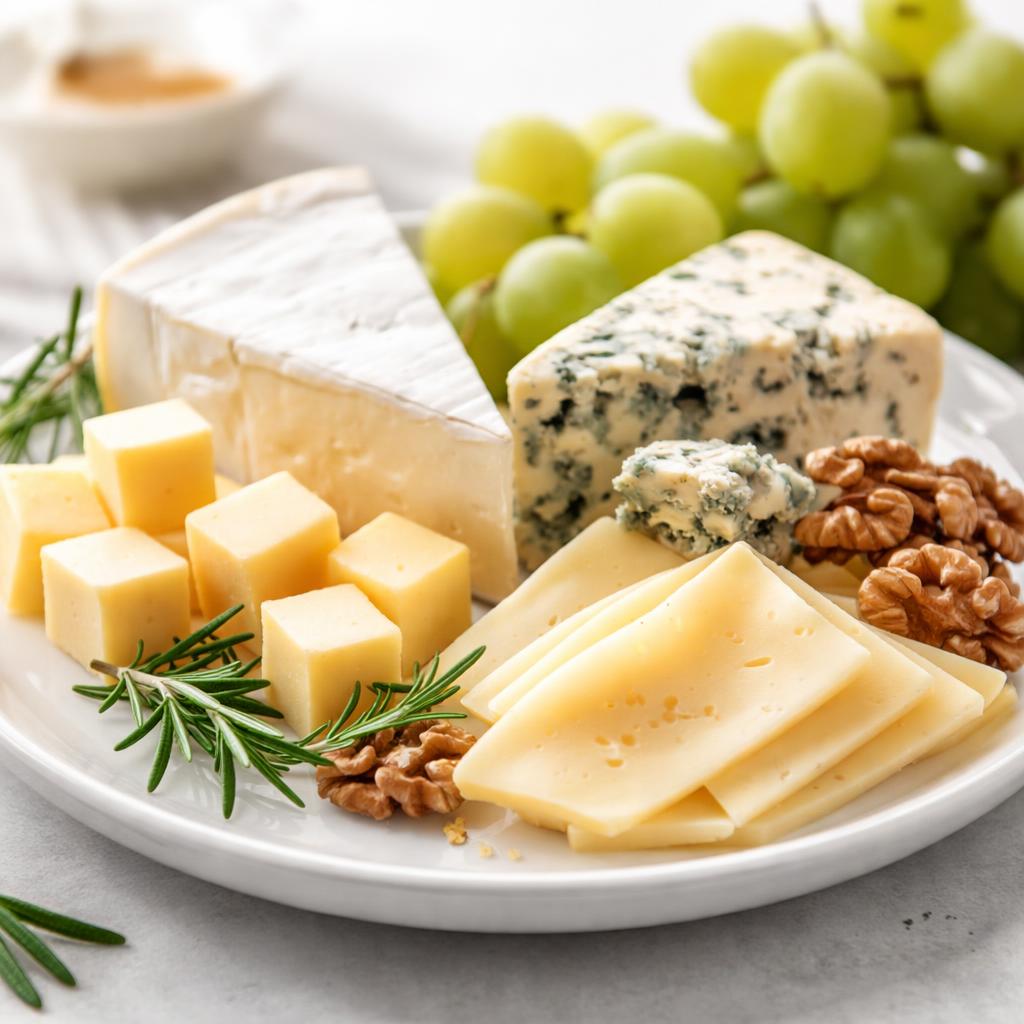
Cheese
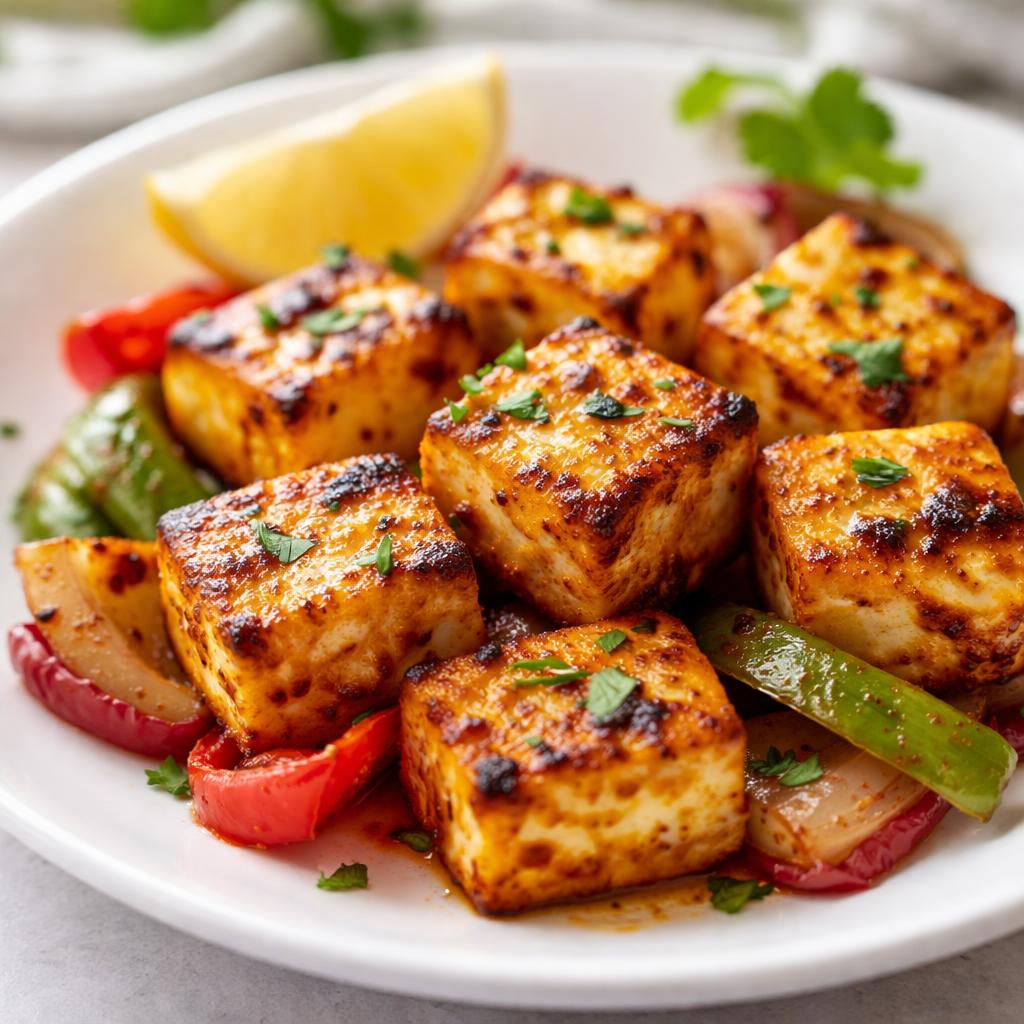
Paneer
🎯 Quick Verdict
Cheese and paneer are nutritionally distinct yet similar in usage. Cheese has slightly higher protein and fat content, making it ideal for muscle-building diets, while paneer is lower in calories and rich in calcium, better suited for weight management and general health. Both offer versatile cooking options depending on dietary needs.

Smart Nutrition Tracking with SnapCalorie

📊 Nutritional Comparison
Macronutrients
| Nutrient | Food 1 | Food 2 | Winner |
|---|---|---|---|
| Calories | 402 | 265 | ✓ |
| Protein | 25g | 20g | ✓ |
| Carbs | 1g | 3.4g | ✓ |
| Fat | 33g | 20g | ✓ |
| Fiber | 0g | 0g | − |
Vitamins & Minerals
| Nutrient | Food 1 | Food 2 | Winner |
|---|---|---|---|
| Vitamin D | 0.6mcg | 0.5mcg | ✓ |
| Calcium | 721mg | 480mg | ✓ |
| Iron | 0.3mg | 0.2mg | ✓ |
| Vitamin B12 | 0.8mcg | 0.4mcg | ✓ |
🏆 Category Winners
Protein
Cheese contains 25g of protein per serving versus 20g in paneer.
Fiber
Neither cheese nor paneer provides dietary fiber.
Calories
Paneer is 34% lower in calories compared to cheese, making it a calorie-conscious choice.
Vitamins
Cheese is richer in calcium, iron, and B12, making it nutritionally denser in terms of vitamins and minerals.
🥗 Diet Compatibility
Keto
Food 1: Compatible
Food 2: Compatible
Both are low-carb and high in fat suitable for keto diets.
Vegan
Food 1: Not Compatible
Food 2: Not Compatible
Both are dairy-based products.
Gluten Free
Food 1: Compatible
Food 2: Compatible
Neither contains gluten.
Paleo
Food 1: Not Compatible
Food 2: Not Compatible
Dairy is generally excluded in a strict paleo diet.
Low Carb
Food 1: Compatible
Food 2: Compatible
Both foods are low in carbohydrates, with cheese being slightly lower.
💪 Health Benefits Comparison
Food 1 Benefits
- Excellent source of high-quality protein for muscle development
- Rich in calcium for strong bones and teeth
- Contains vitamin B12 for energy metabolism
Food 2 Benefits
- Lower in calories, suitable for weight management
- Good source of protein to support cell and tissue repair
- Versatile in recipes for a balanced meal option
✅ The Bottom Line
Cheese is a better choice for high-protein and calcium needs, especially for muscle-building diets or adding richness to meals. Paneer is preferable for those looking for lower-calorie options while still obtaining moderate protein and a versatile cooking ingredient.
Choose Food 1 for: Muscle-building diets, ketogenic meals, calcium boost
Choose Food 2 for: Weight management, lower-calorie diets, vegetarian recipes


